Nihon Cha



| Registration Number | 179 |
|---|---|
| Name of the GI | Nihon Cha、Nippon Cha、Japanese Tea、Japan Tea |
| Class | Processed Foodstuffs |
| Date of Protection | 2026/07/10 |
| Producing Area | Japan |
| Applicant - Name and Address | Nihon Chagyo Chuokai (Japan Tea Industry Central Association) 2-8-5 Higashi-Shimbashi, Minato-ku, Tokyo |

Characteristics
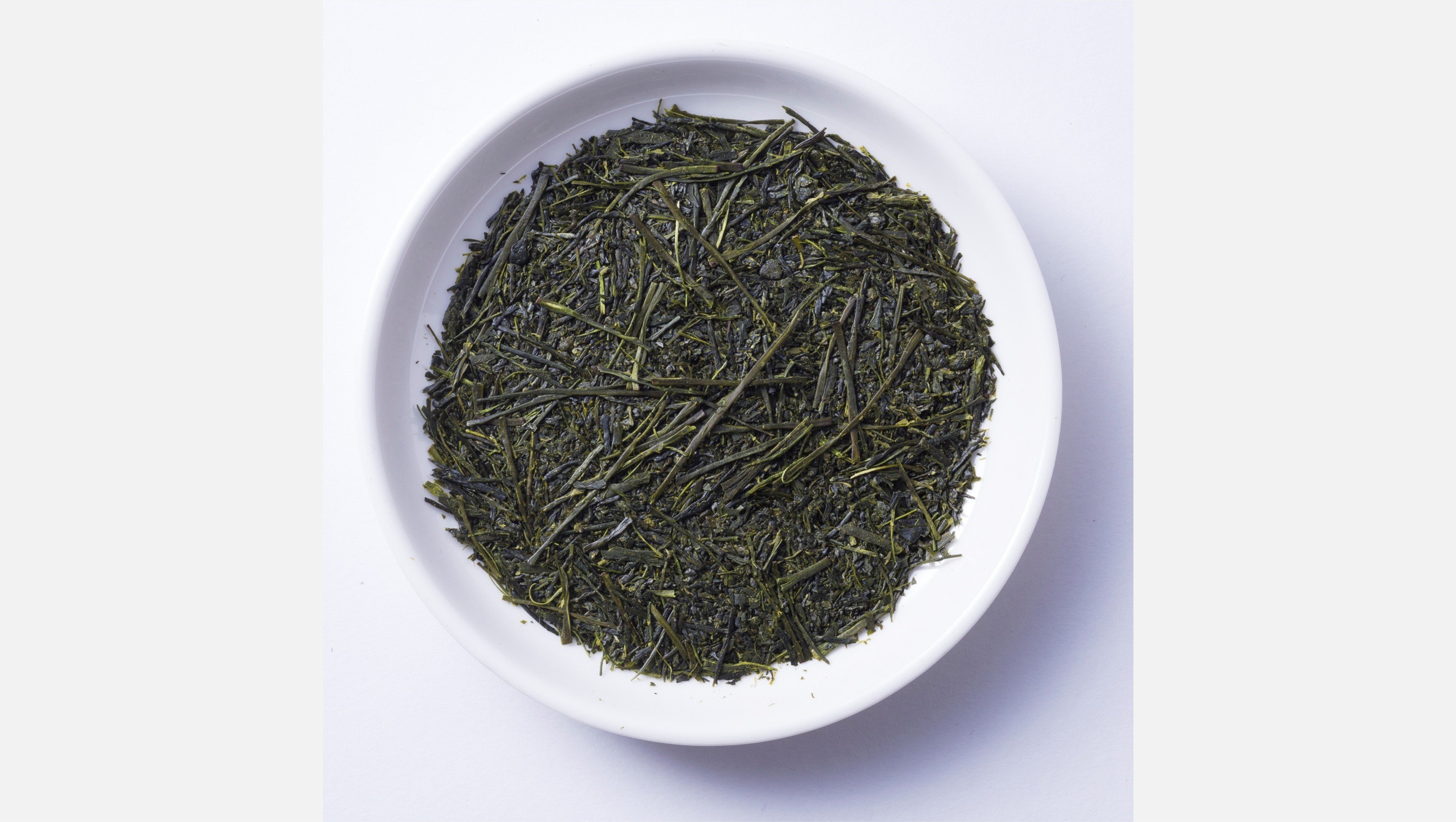
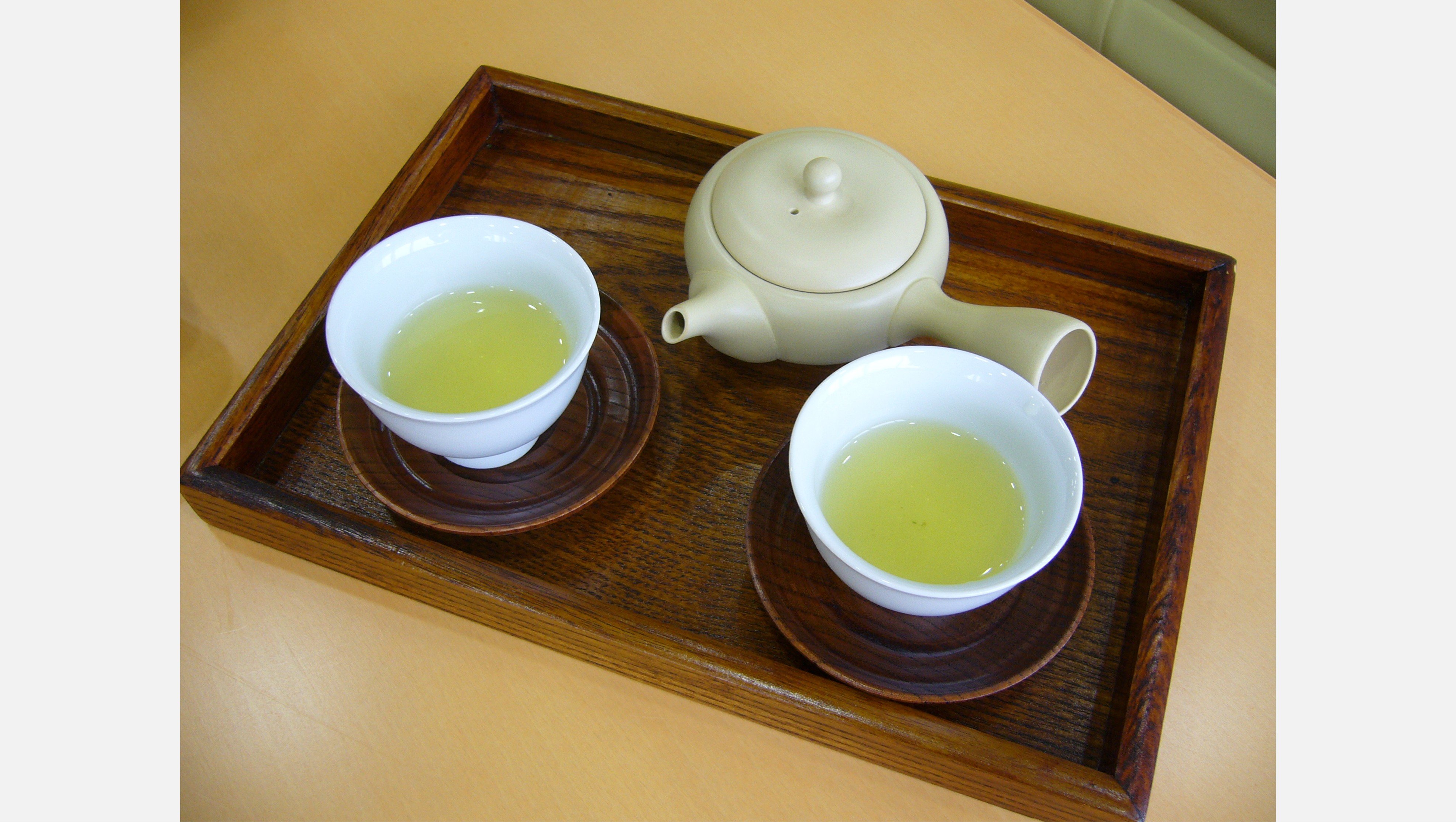
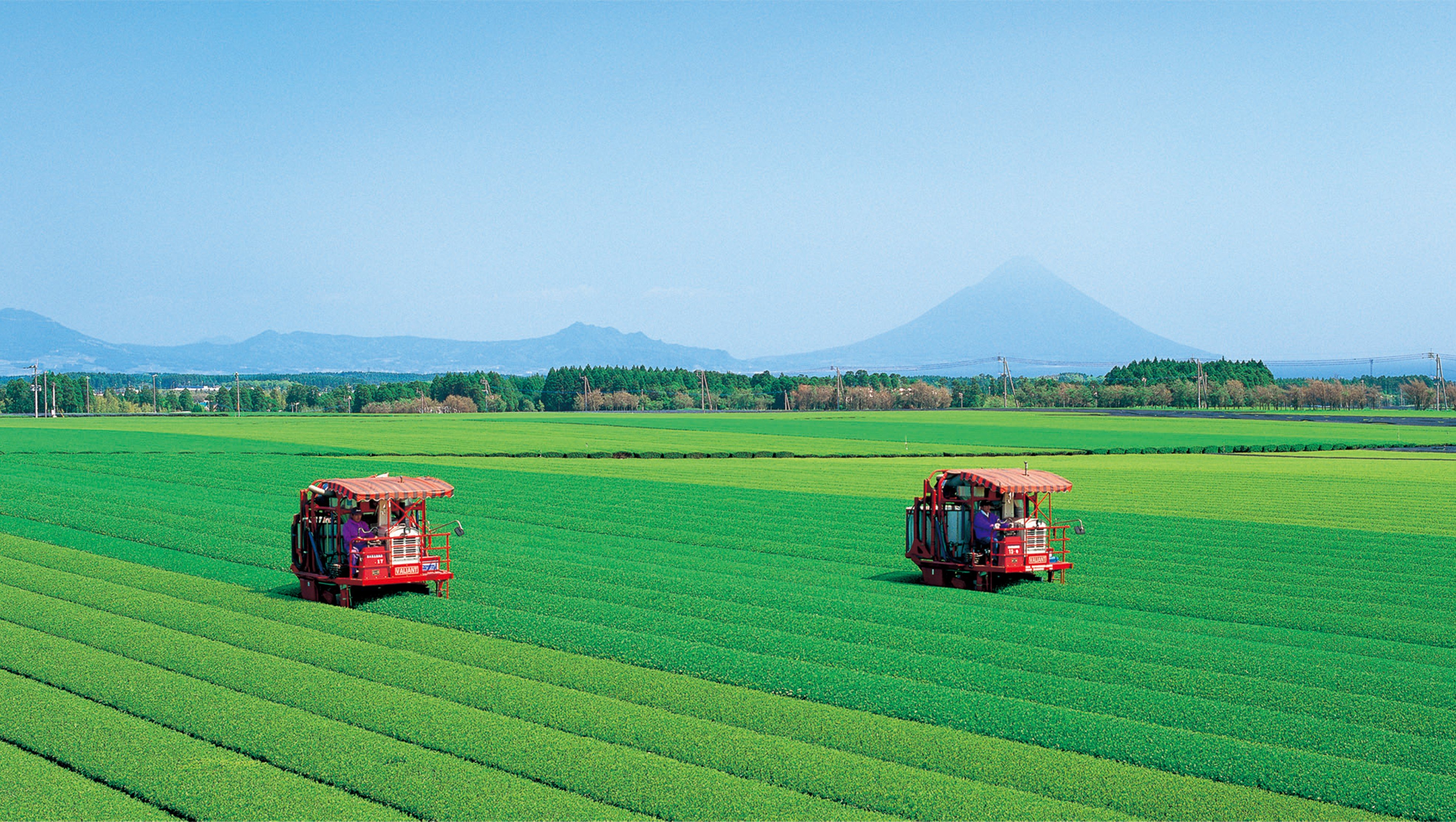
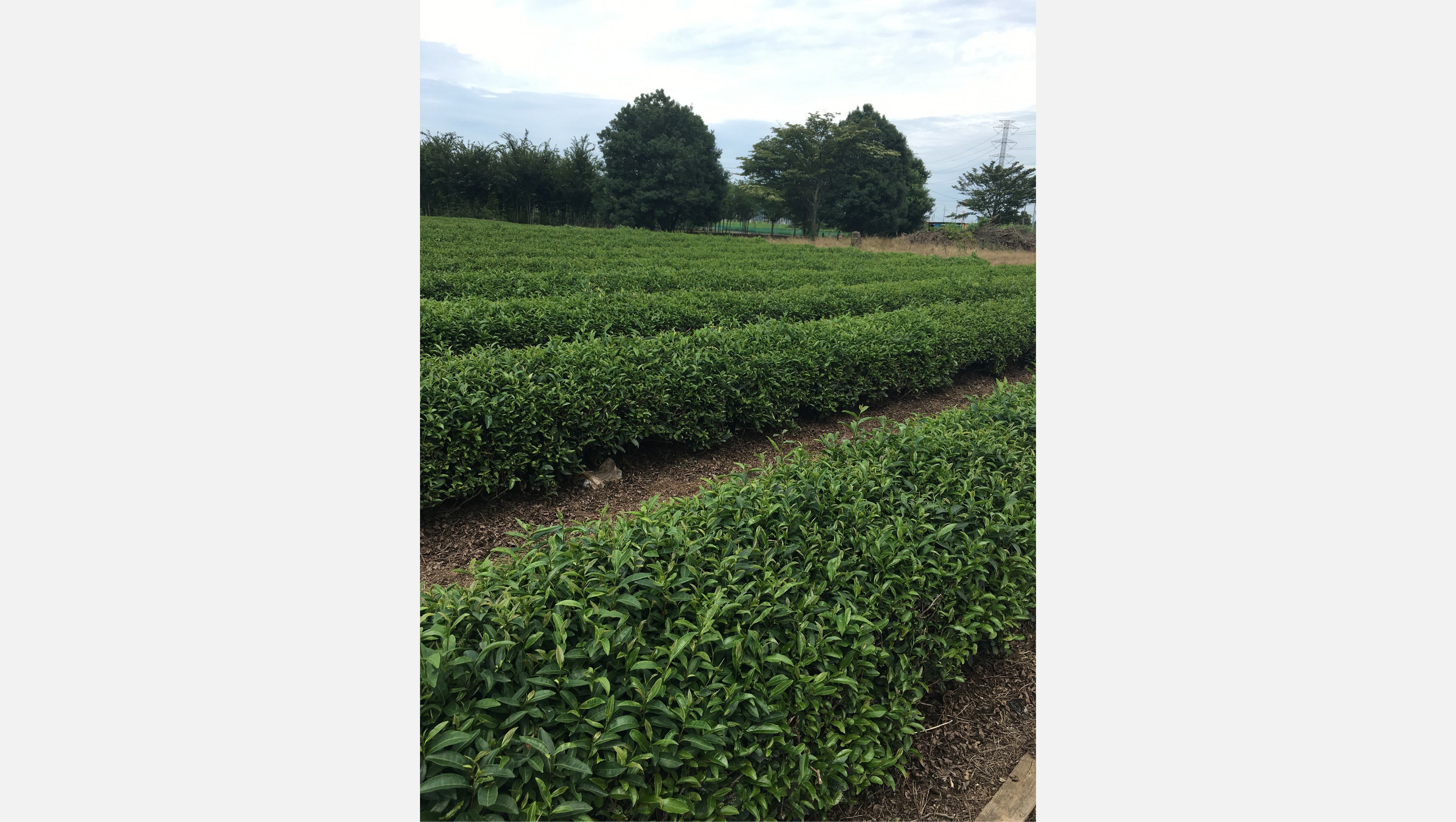
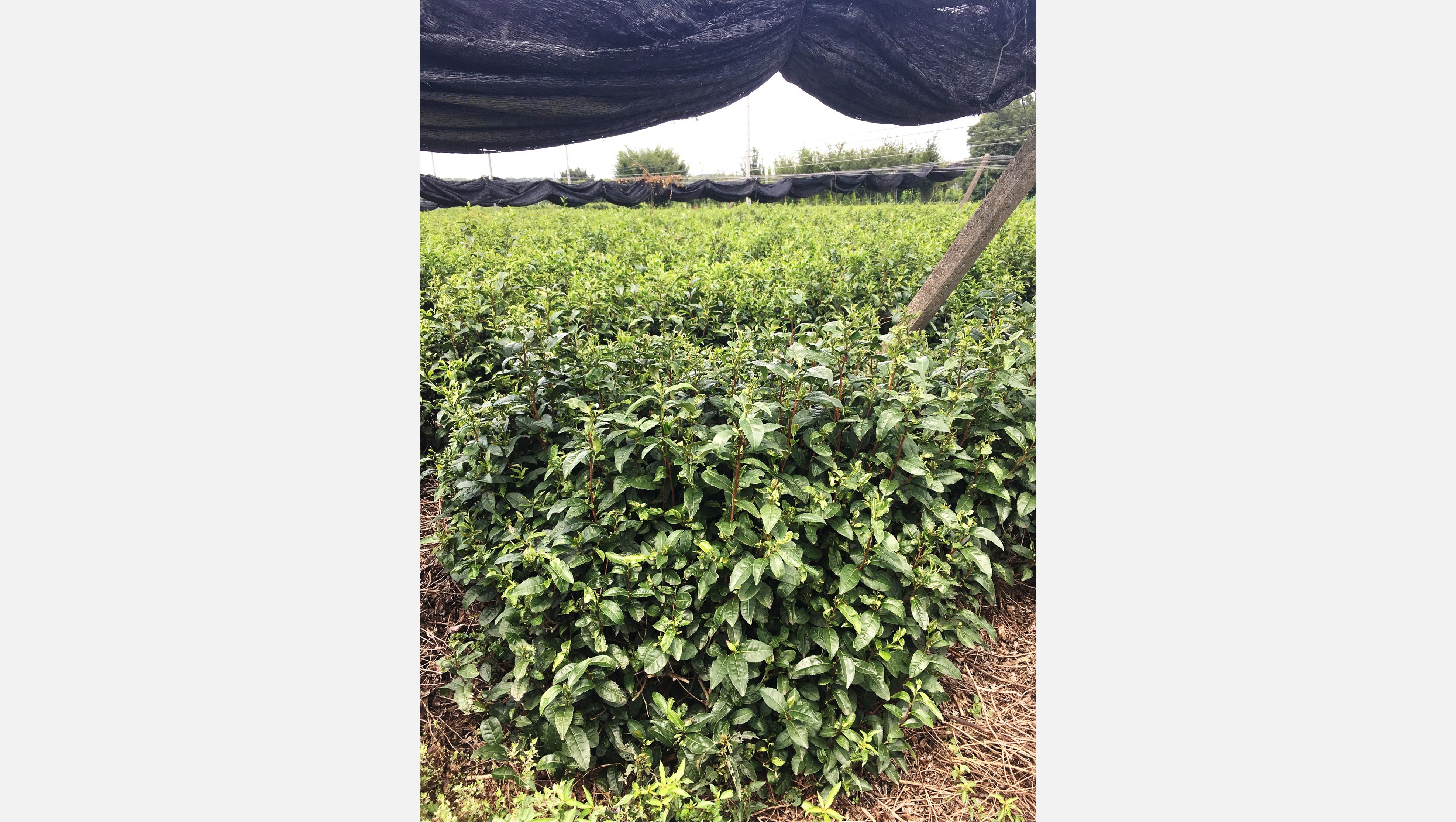
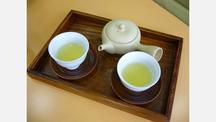
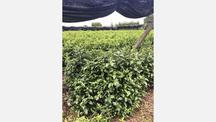
"Nihon Cha", or Japanese Tea, encompasses unfermented teas, such as sencha (green tea), matcha (powdered green tea), gyokuro (shade-grown green tea), kabusecha (partially shade-grown green tea), and hojicha (roasted green tea), made from leaves grown and processed in Japan. The production area covered by this geographical indication extends throughout Japan.
Japanese Tea is highly regarded by consumers for its mellow taste, refreshing astringency, rich aroma, and the beautiful color of the brewed tea. It helped shape sado (the Way of Tea) (1), one of Japan's most representative cultural traditions. With tea drinking firmly established as an everyday habit, it has become an integral part of Japanese food culture and is widely enjoyed both in Japan and overseas.
Production method
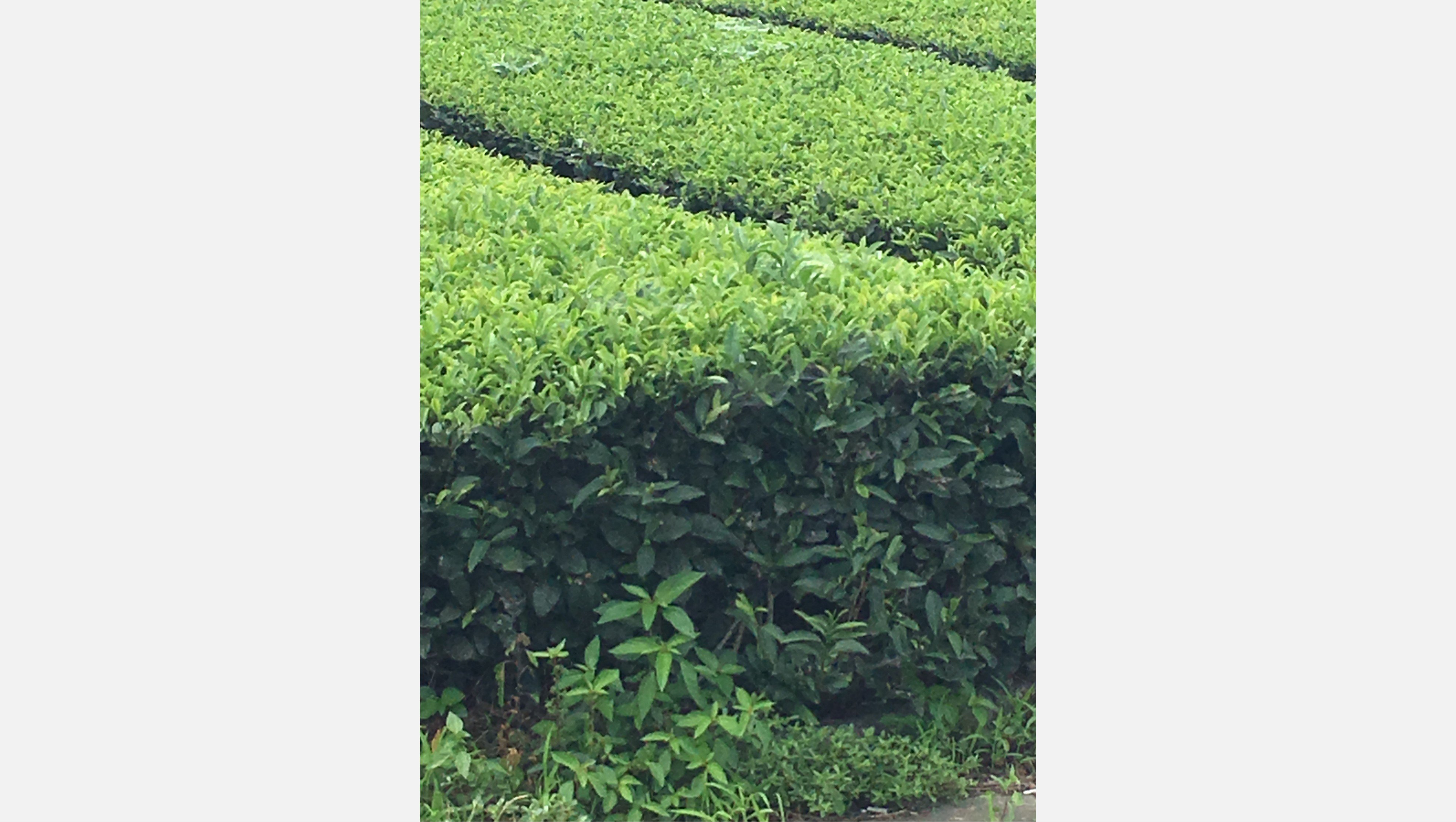
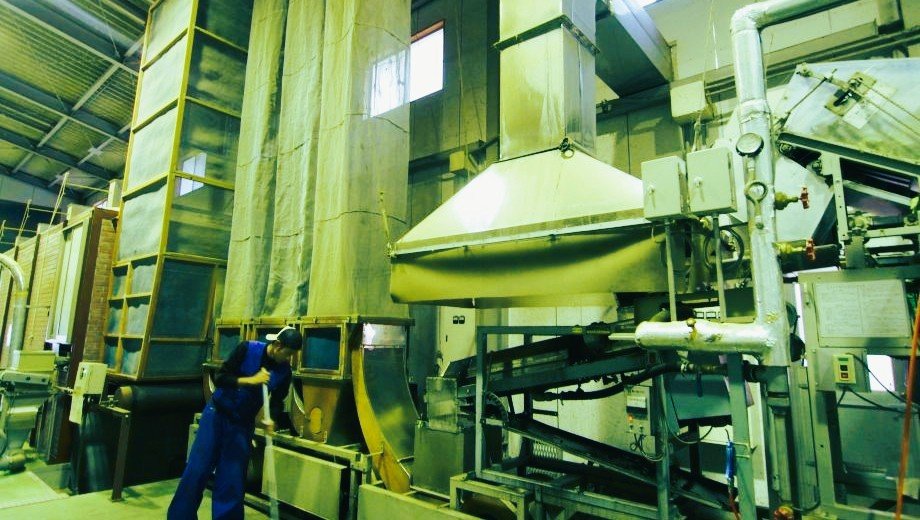
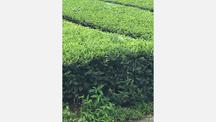
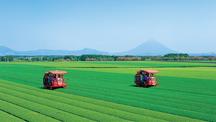
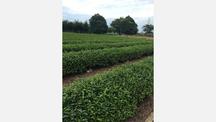
Fresh leaves of tea plants (Camellia sinensis) cultivated in Japan are used as the raw material. The leaves are processed into aracha (unrefined tea) at tea-processing factories in Japan. Steaming or pan-firing deactivates the enzymes responsible for oxidation, after which the leaves undergo processes such as rolling and drying. The aracha is then processed into shiage-cha (finished tea) at tea-finishing factories in Japan, using processes such as furuiwake (sieving) (2), gogumi (blending) (3), drying, grinding, and roasting as needed. The final products are either aracha or shiage-cha.
Link with the production area
The main production areas of Japanese Tea are relatively warm and receive abundant rainfall, making them well suited to tea cultivation. During the Kamakura period (4), tea was grown in plantations, mainly in the Kinki Region. The tea ceremony culture took shape from the Muromachi period (5) through the Azuchi-Momoyama period (6). Sencha production methods emerged during the Edo period (7), when tea-drinking customs spread among ordinary people. Following the opening of Japan's ports in the late Edo period, "Nihon Cha" became a major export alongside raw silk. Mechanized tea-processing techniques were established by the late Meiji period (8). The natural conditions of each production area, cultivation and processing techniques developed over generations, and the culture of drinking tea have together shaped today's Japanese Tea.
- Sado (the Way of Tea): A traditional Japanese cultural practice based on "chanoyu", which centers on preparing and serving matcha to guests. Practitioners study and practice tea preparation, etiquette, aesthetics, and the spirit of hospitality.
- Furuiwake (sieving): The process of separating tea leaves by size and shape using sieves.
- Gogumi (blending): Combining different teas to achieve the desired quality, including taste and aroma. This is commonly known as blending.
- The Kamakura Period: 1185-1333. It is a period of Japanese history characterized by the establishment of a shogunate (feudal military government) in Kamakura. From Kamakura to Edo Period (1603-1867), feudalistic politics of military governance by samurai continued.
- The Muromachi period is a division in Japanese history running from 1336 to 1573. It began when Ashikaga Takuji established the shogunate in Muromachi, Kyoto, and continued for about 240 years until the 15th shogun, Ashikaga Yoshiaki, was driven out of Kyoto by Oda Nobunaga.
- The Azuchi-Momoyama period (1573-1603) was when Oda Nobunaga and Toyotomi Hideyoshi fought to unify Japan.
- The Edo Period: 1603-1867. It is a period of Japanese history characterized by the establishment of a shogunate (feudal military government) in Edo (now Tokyo). Political administration under the Tokugawa clan began when Tokugawa Ieyasu became the era's first shogun.
- Meiji period: An era of Japanese history extending from 1868 to 1912, during which Japan shifted from feudalism under the Shogunate to a modernized nation state.

 Japanese
 English