Kaga Renkon
| Registration Number | 178 |
|---|---|
| Name of the GI | Kaga Renkon、Kaga Lotus Root |
| Class | Vegetables/ Cereal grains/Pulses |
| Date of Protection | 2026/07/10 |
| Producing Area |
Ishikawa Prefecture
Kanazawa City and Kahokugata Reclaimed Land |
| Applicant - Name and Address | JA Kanazawashi Kaga Renkon Bukai 59-1 Matsuderamachi, Kanazawa City, Ishikawa Prefecture |

Characteristics
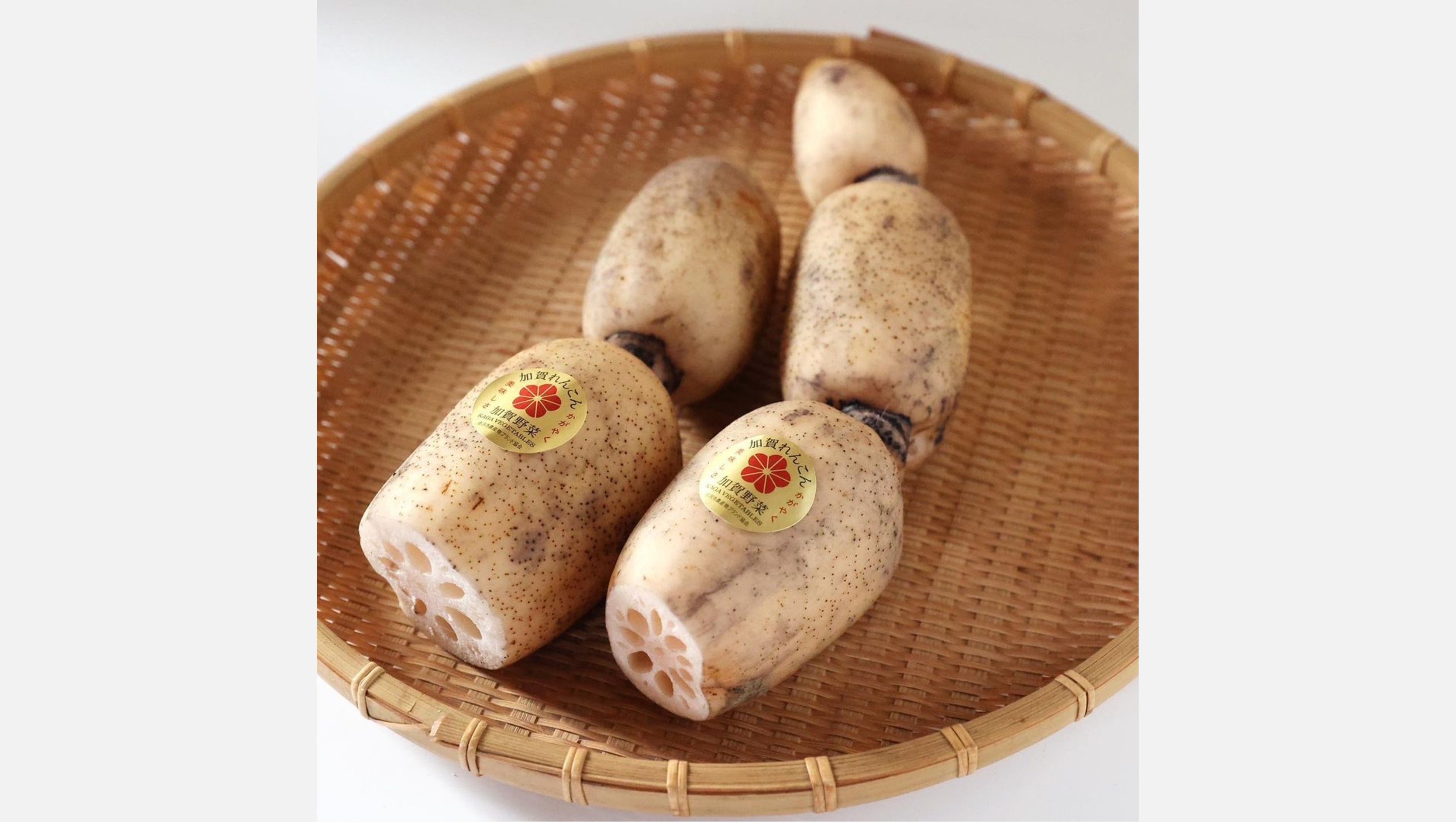
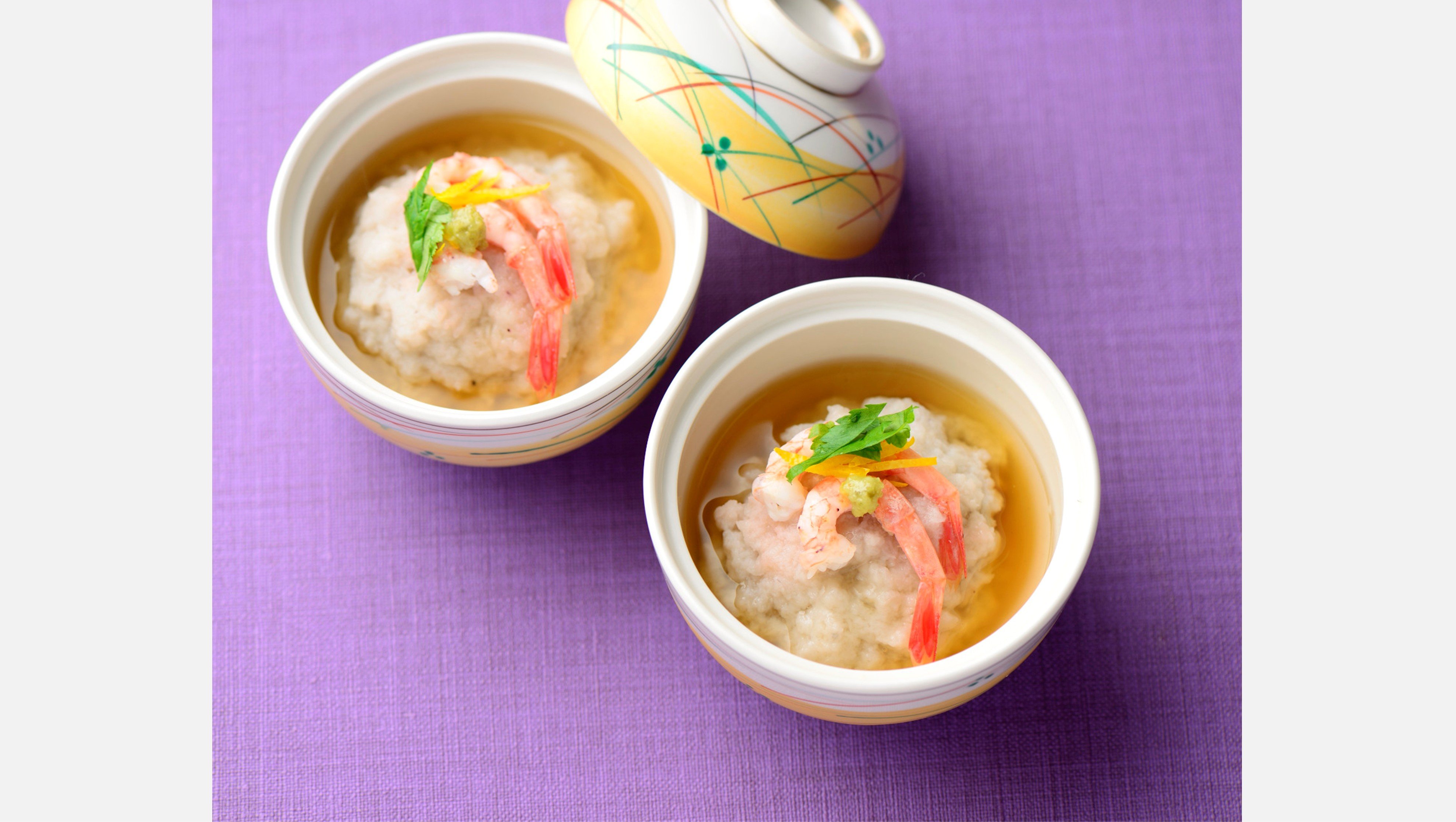
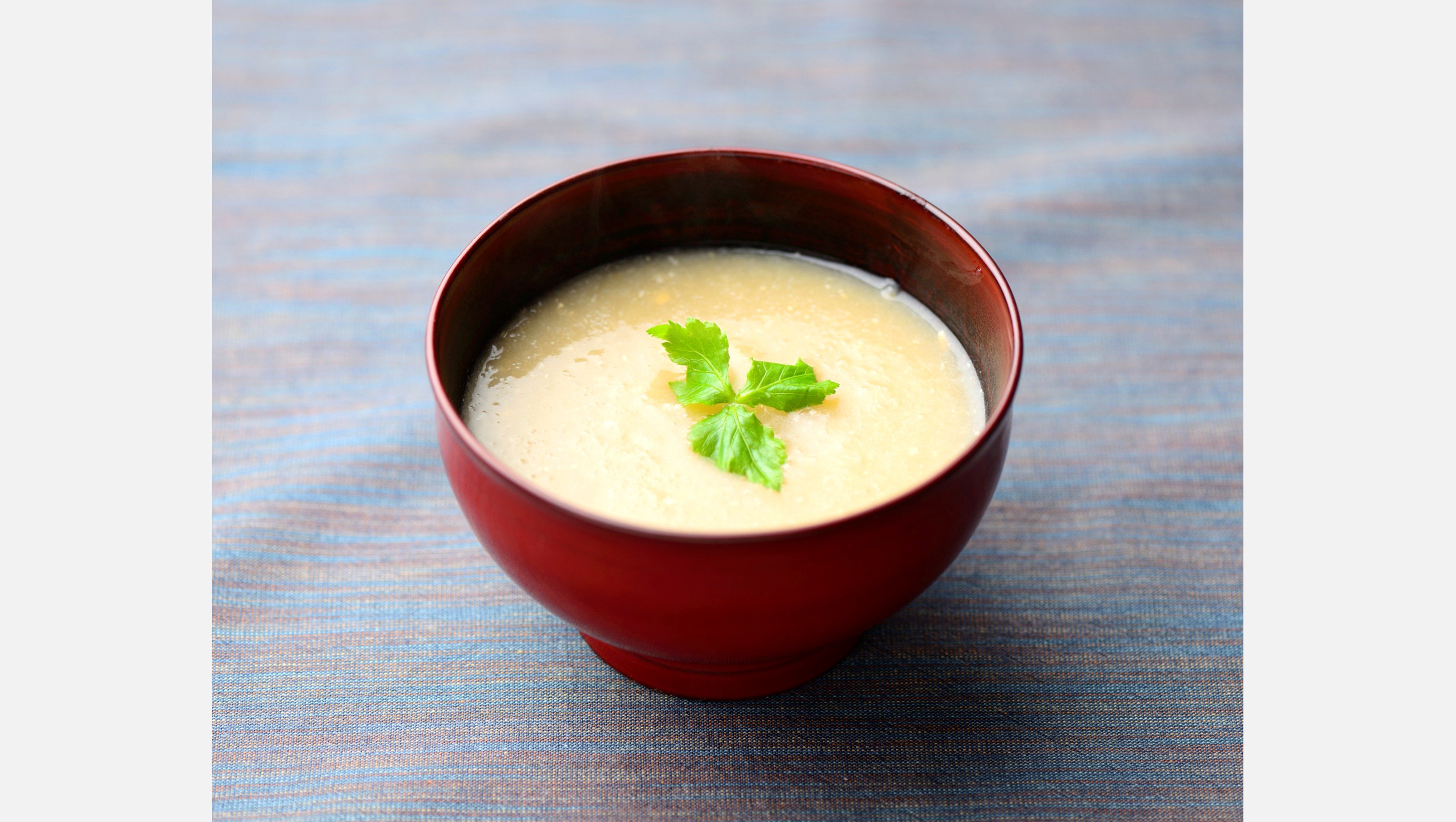
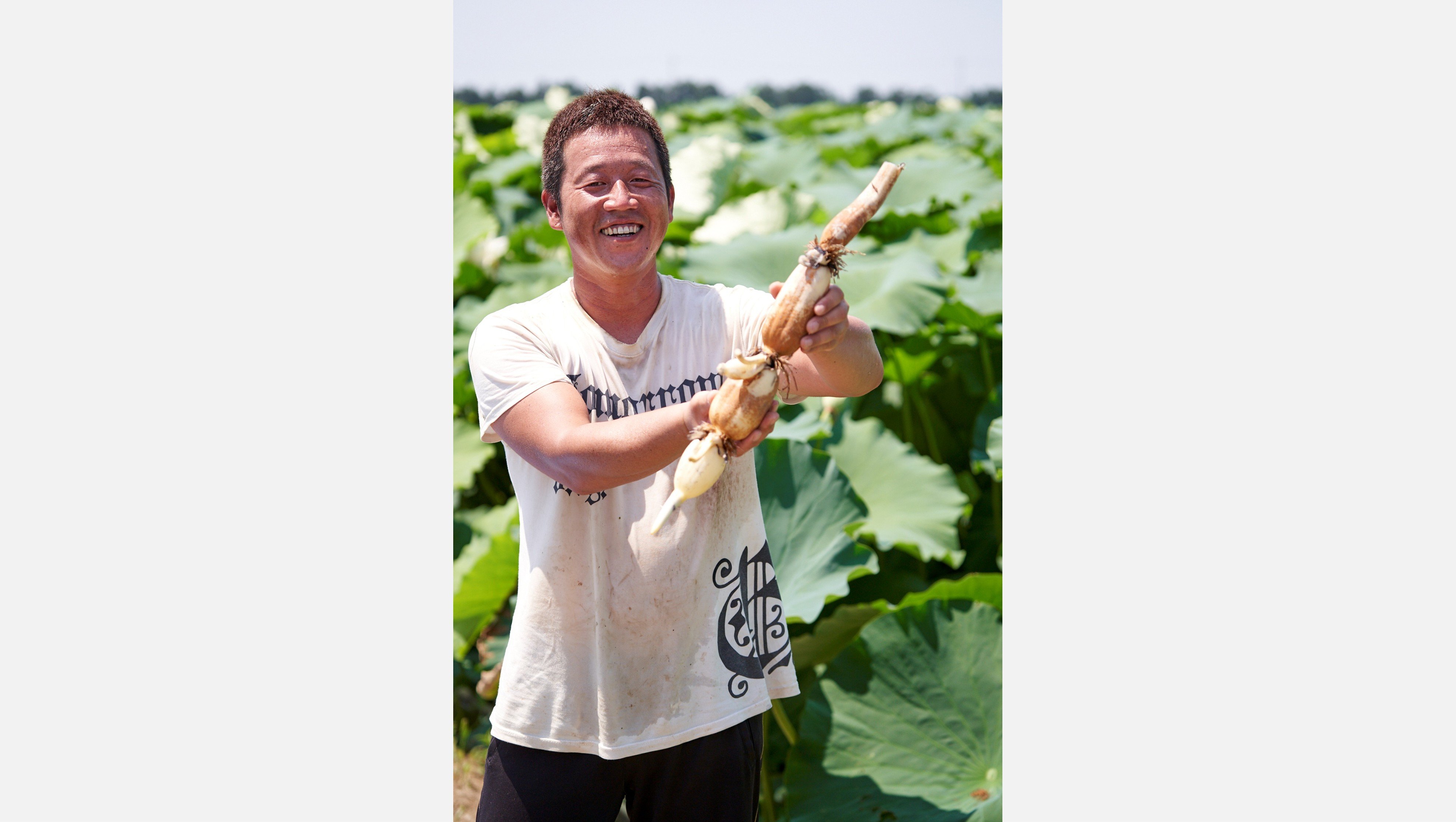
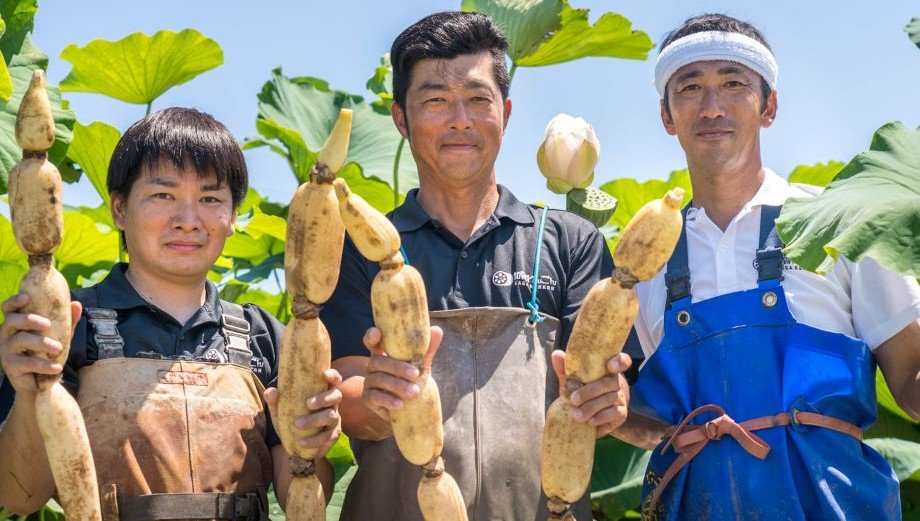
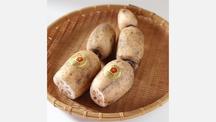
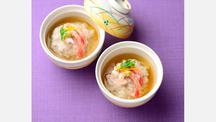
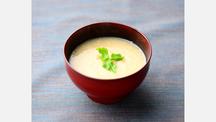
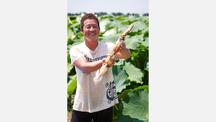
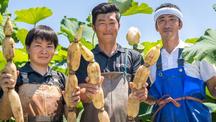
"Kaga Renkon" is a type of lotus root cultivated in Kanazawa City and the Kahokugata reclaimed land area, Ishikawa Prefecture. It has thick flesh and a high starch content. When grated, it is sticky enough to be shaped into dumplings without any binding agent. Its stickiness increases from autumn through winter, offering different seasonal textures: crisp in summer and pleasantly chewy in winter. This stickiness makes it an essential ingredient in local dishes such as "hasumushi" (1) and "surinagashi jiru (grated lotus root soup)". Dark markings known as "sabi" are often found on its skin and are regarded as a sign of freshness. Market professionals value this characteristic, together with its long shelf life and reliable supply, and it commands higher prices than ordinary lotus roots.
Production method
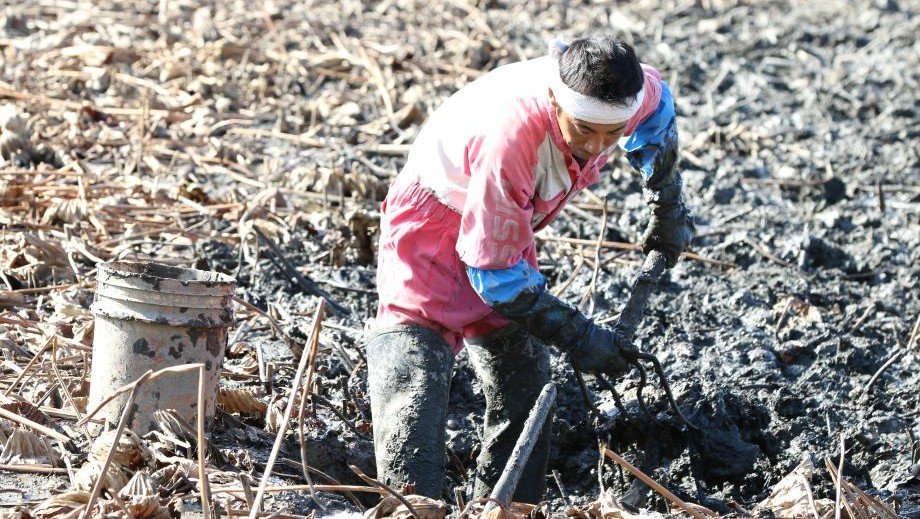
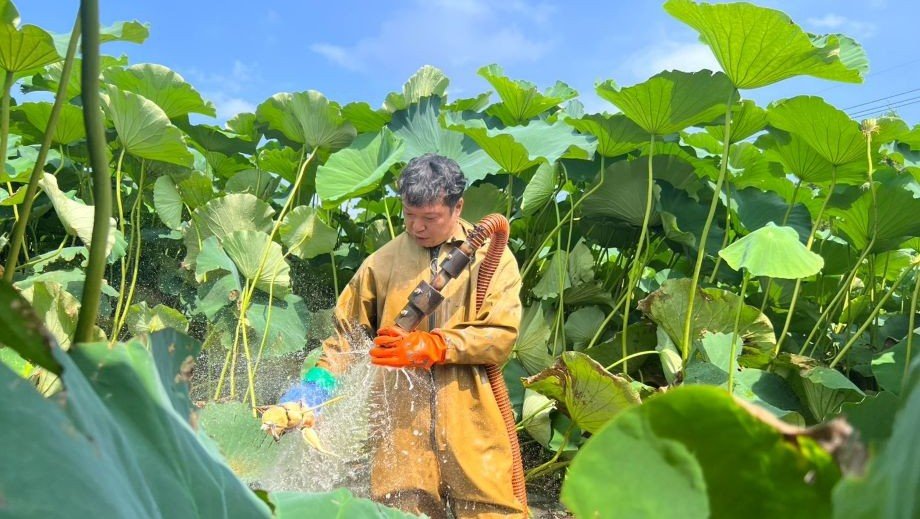
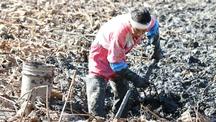
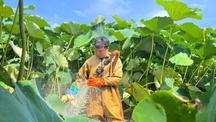
"Kaga Renkon" is produced using varieties designated by the JA Kanazawashi Lotus Root Producers' Group (hereinafter referred to as the "Group"). Rather than following the common practice of cutting back the stems and leaves early, producers leave them intact until just before harvest, allowing the plants to continue growing. After harvest, the roots are sorted according to the Group's own quality and size grading standards and undergo checks, including sample inspections at shipment. The final product is fresh lotus root.
Link with the production area
Kanazawa and its surrounding areas receive abundant rainfall and have extensive areas of heavy, sticky soil. These conditions suit lotus root cultivation, which requires plentiful water and soil with good water retention. According to one account, "Kaga Renkon" dates back about 300 years, when Maeda Tsunanori, then lord of the Kaga Domain (2), brought young lotus plants from Mino and planted them on the grounds of Kanazawa Castle. As cultivation spread through Kanazawa City, numerous varieties were introduced and improved, eventually giving rise to today's "Kaga Renkon". With approximately 300 years of cultivation and varietal improvement behind it, "Kaga Renkon" is deeply connected to Kanazawa's food culture. It is served in New Year's dishes as an auspicious food because its holes symbolize a clear view of the future. It is also an essential ingredient in local dishes such as "hasumushi".
- Hasumushi: A traditional Kanazawa dish made by steaming grated lotus root with ingredients such as fish, shrimp, and ginkgo nuts.
- Kaga Domain: A feudal domain (han) ruled under the centralized feudal system of the Edo Period. The domain covered most of Kaga Province (southern part of the current Ishikawa Prefecture), Noto Province (northern part of Ishikawa Prefecture), and Etchu Province (Toyama Prefecture), constituting the largest domain of the Tokugawa Shogunate. The Kaga Domain was ruled by the Maeda family until the end of the Edo Period.



 Japanese
 English