Lake Hamanako Unagi


| Registration Number | 177 |
|---|---|
| Name of the GI | Lake Hamanako Unagi、Lake Hamanako Japanese Eel |
| Class | Fish and Shellfish |
| Date of Protection | 2026/07/10 |
| Producing Area |
Shizuoka Prefecture
Hamamatsu City and Kosai City |
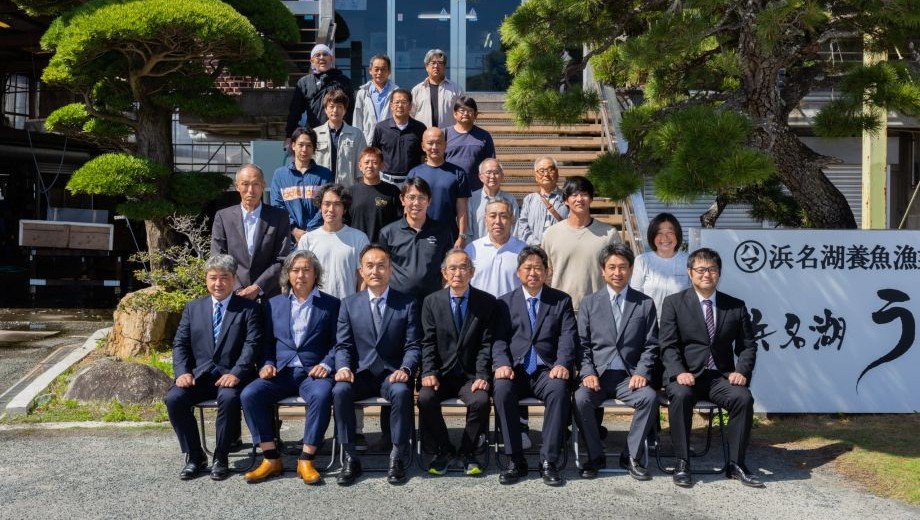
| Applicant - Name and Address | Hamanako Aquaculture Fishery Cooperative |

Characteristics
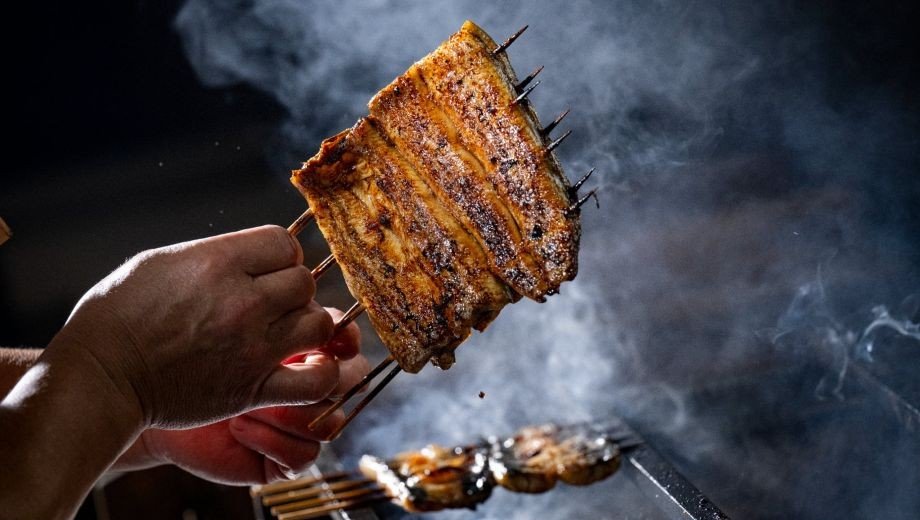
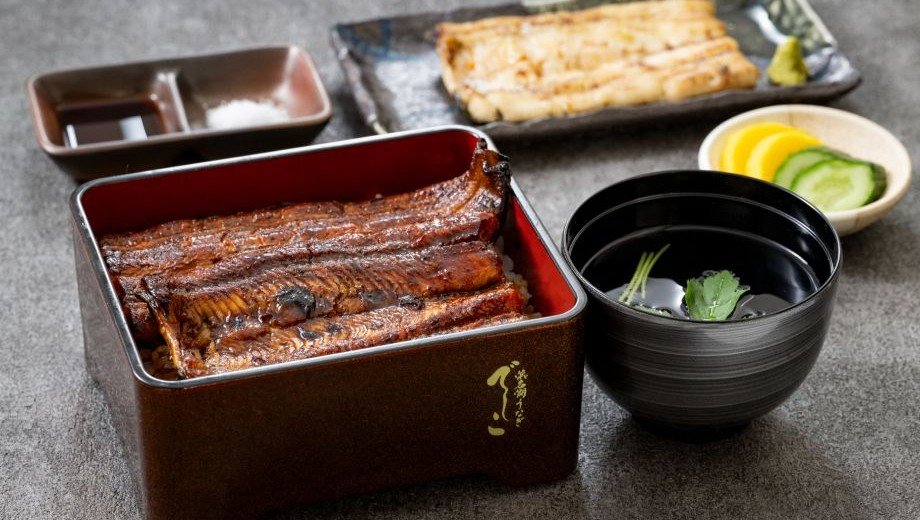
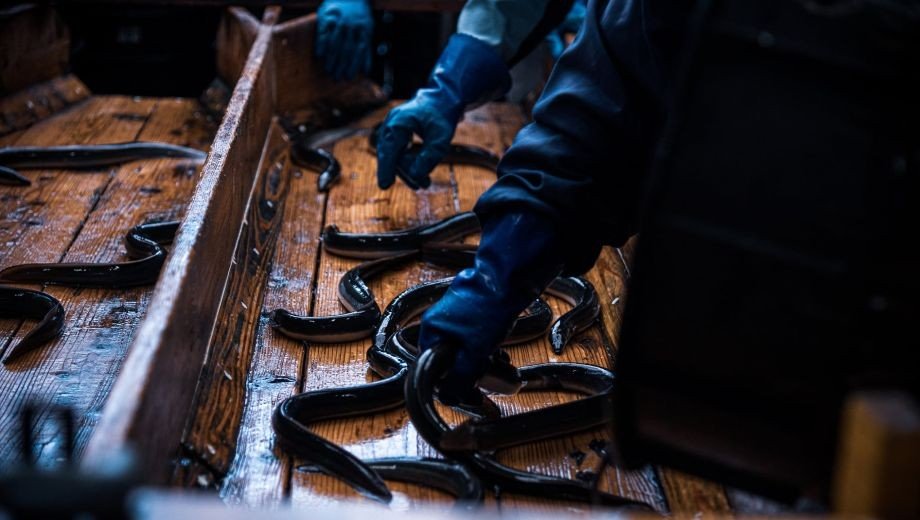
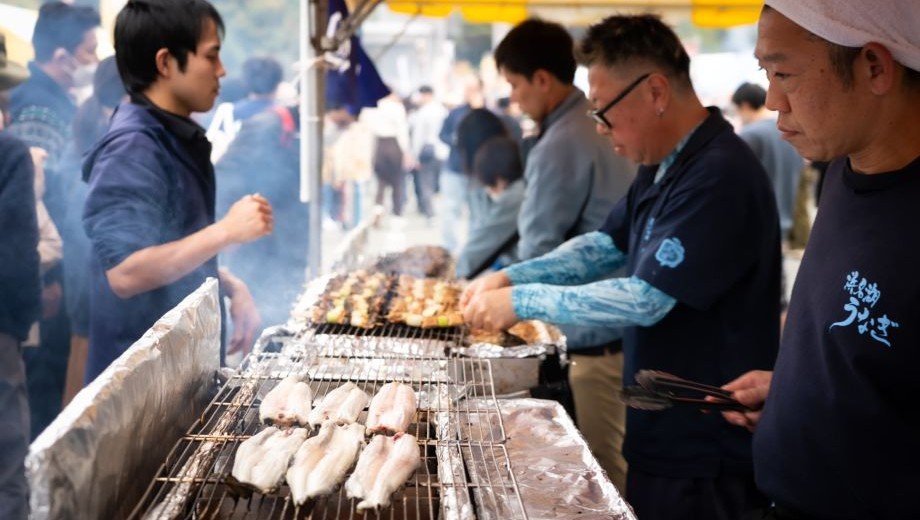
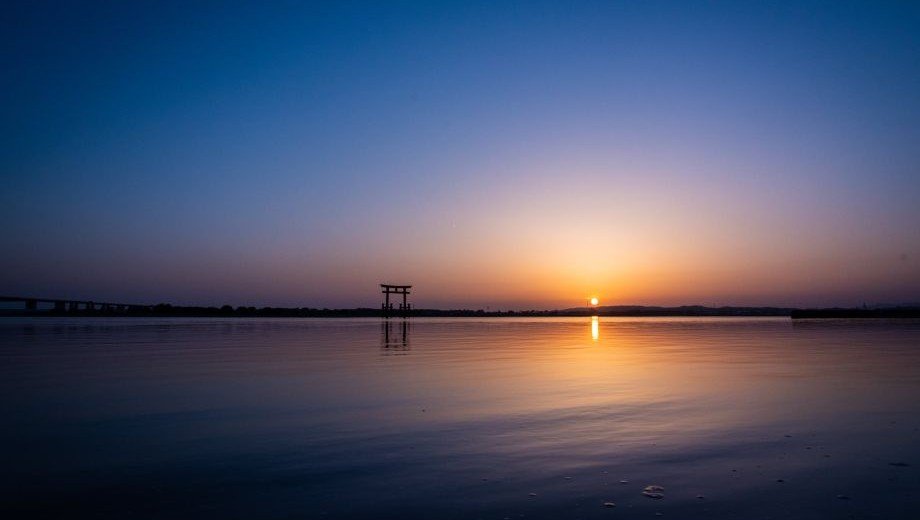
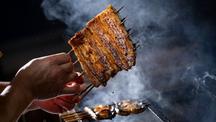
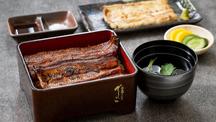
"Lake Hamanako Unagi" or "Lake Hamanako Japanese Eel" refers to Japanese eels farmed in the cities of Hamamatsu and Kosai, Shizuoka Prefecture, and distributed alive as katsuman (1). These eels are highly regarded by consumers for their rich, succulent flesh, tender texture, and plumpness, among other qualities, and are traded at prices higher than those of ordinary eels. They are widely known throughout Japan, to the extent that Lake Hamanako is synonymous with eel, and are also popular among tourists. Alongside its history of eel farming, the area has developed a distinctive food culture centered on eel. One example is "bokumeshi" (2), which originated as a meal for workers at eel farms and has become an established local dish.
Production method
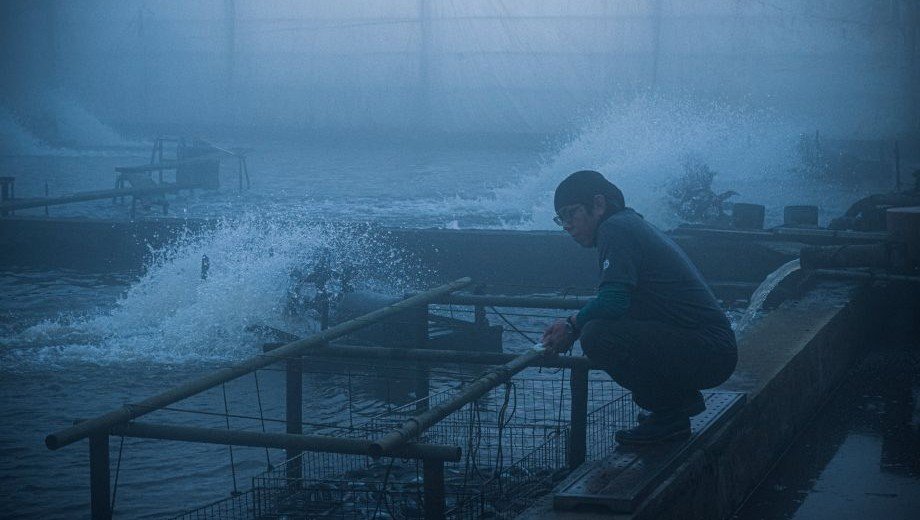
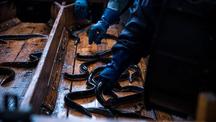
Juvenile Japanese eels are used as stocking material. Producers raise and manage the eels in accordance with the methods established by the Hamanako Aquaculture Fishery Cooperative, including requirements for the type and safety of the water used and feeding practices. Market-size eels (seiman) (3) that pass the Cooperative's pre-shipment drug-residue tests are shipped alive as katsuman.
Link with the production area
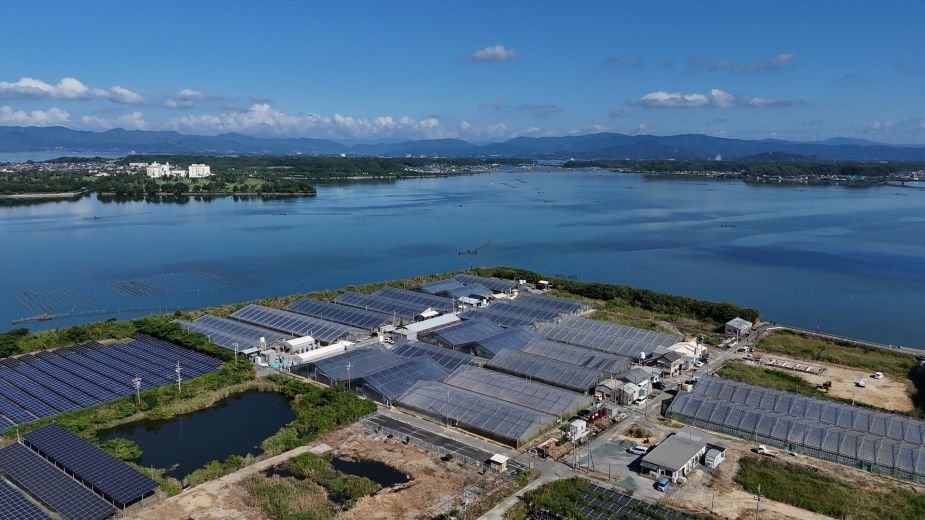
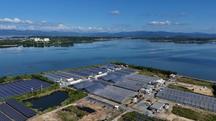
The area around Lake Hamanako once had an abundant supply of glass eels for stocking eel farms. Its warm climate kept water temperatures relatively high throughout the year, and the area also benefited from groundwater and spring water of consistent quality that had passed through the Mikatagahara gravel layer. In 1900, freshwater fish merchant Hattori Kurajiro built an approximately 8 ha pond in what is now Maisaka Town, Chuo Ward, Hamamatsu City, and succeeded in farming eels. This led to the spread of eel-farming ponds around Lake Hamanako. Adopting techniques that used silkworm pupae, a by-product of nearby sericulture, as feed also helped eel farming expand.
In 1971, a heated farming method was established in which eel ponds were covered with plastic greenhouses to maintain water temperatures at 25°C or above. This promoted growth and reduced disease and the use of medicines. Through these developments, the area around Lake Hamanako became one of Japan's earliest major centers of eel farming and came to be known as the "birthplace of eel farming".
- Katsuman: Eels shipped and distributed alive.
- Bokumeshi: A mixed rice dish made with eel and gobo (burdock). A local dish of the Lake Hamanako area, said to have originated as a meal for workers at eel farms.
- Seiman: Farmed eels that have reached a suitable size for shipment.



 Japanese
 English