OKINAWA KOKUTOU
| Registration Number | 172 |
|---|---|
| Name of the GI | OKINAWA KOKUTOU、OKINAWA KOKUTO |
| Class | Processed Foodstuffs |
| Date of Protection | 2025/11/17 |
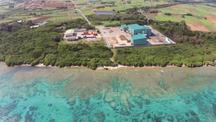
| Producing Area | Okinawa Prefecture |
| Applicant - Name and Address | Okinawa Prefecture Brown Sugar Cooperative Association Okinawa Livestock Industry Promotion Support Center 1F |

Characteristics
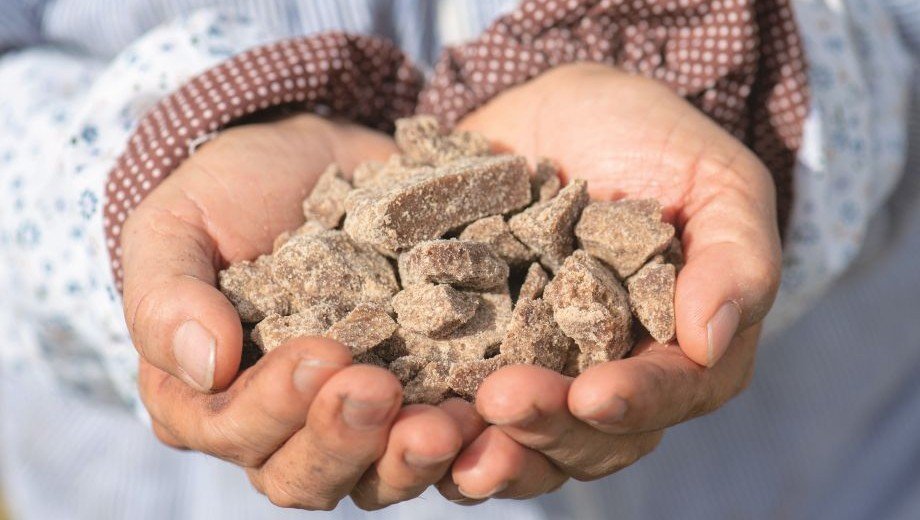
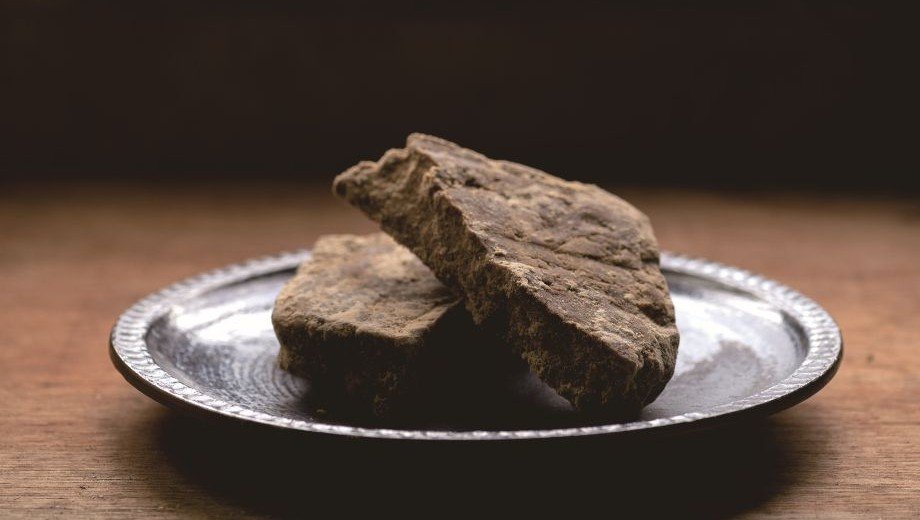
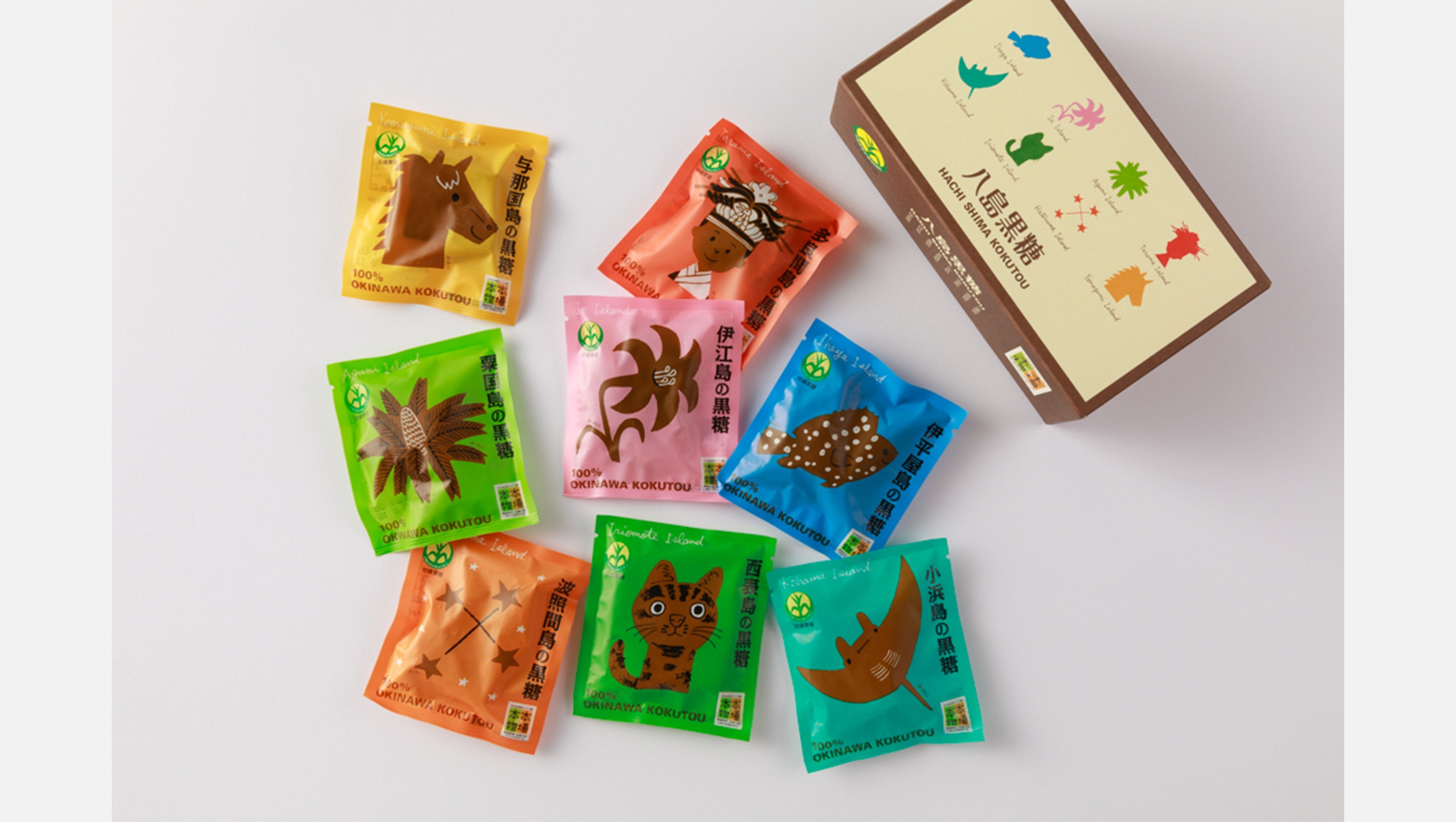
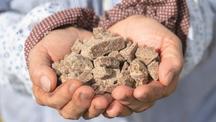
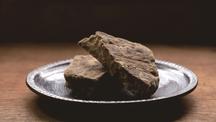
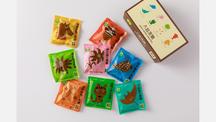
"OKINAWA KOKUTOU (Okinawa brown sugar)" is a traditional sugar and confection that has been produced for about 400 years using only sugarcane cultivated in Okinawa Prefecture. It contains polyphenols, umami compounds, and minerals, and has a distinctive, rich flavor with slight bitterness. It is widely used as an essential ingredient in Okinawan specialties such as the traditional dish "rafute" and the traditional sweets "chinbin" and "sata andagi". People also regularly eat it on its own as a snack with tea, making it an integral part of Okinawa's food culture.
Production method
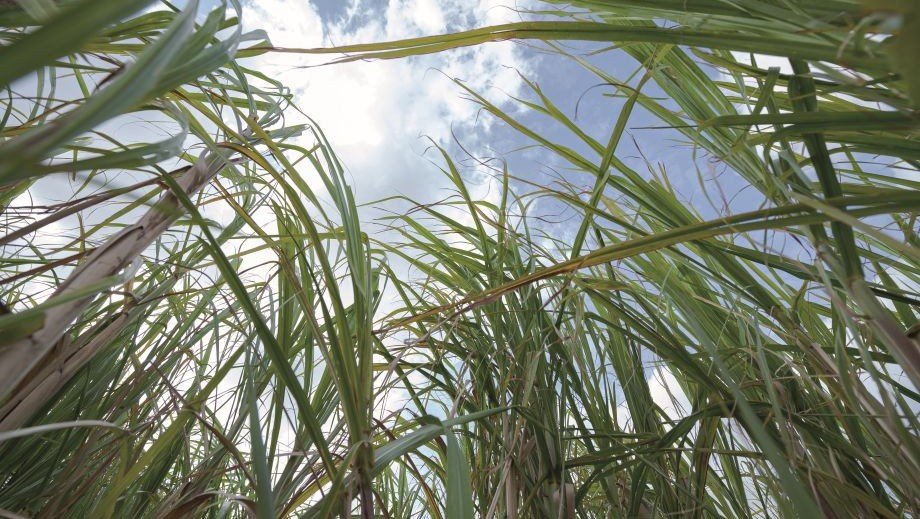
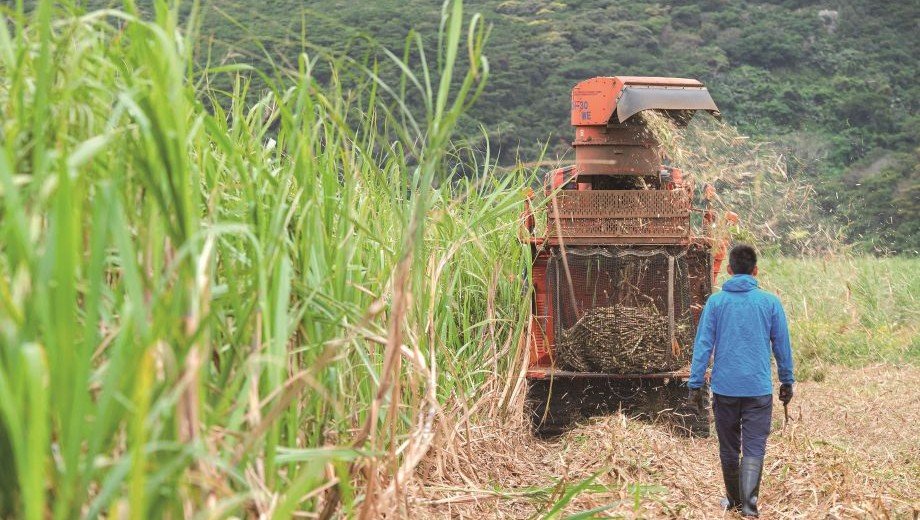
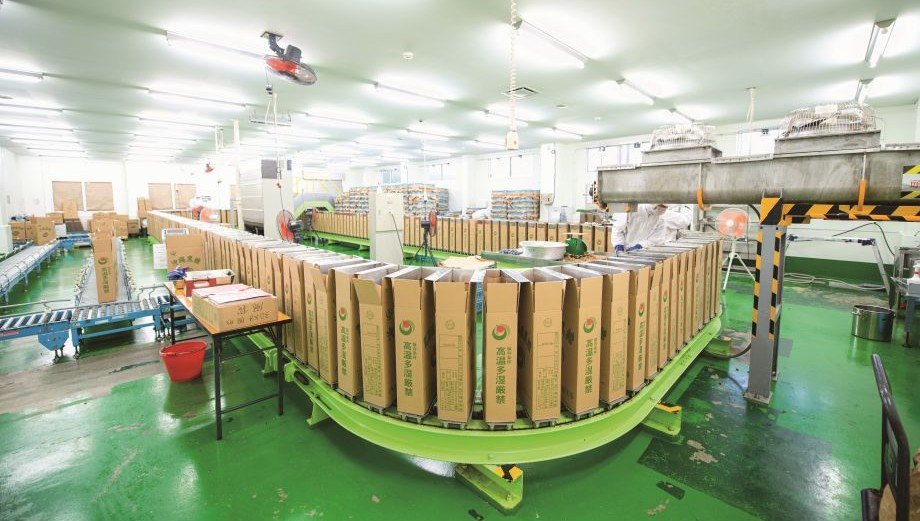
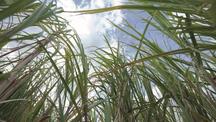
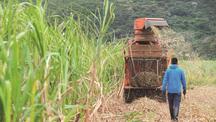
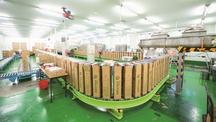
The sole ingredient is sugarcane cultivated in Okinawa Prefecture. Harvested sugarcane stalks are pressed to extract the juice. After removing impurities, the juice is boiled down to concentrate it. Without undergoing processes such as molasses separation, the concentrated juice is then cooled to produce brown sugar in solid or powdered form.
Link with the production area
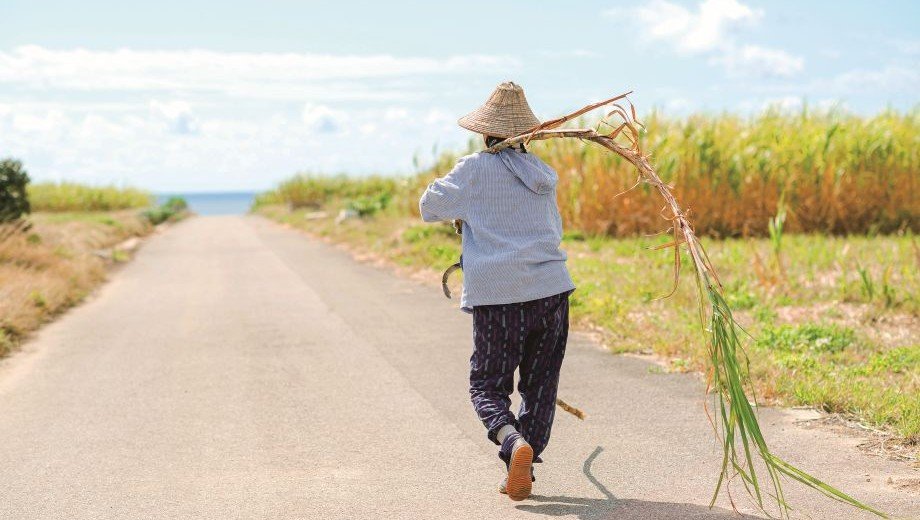
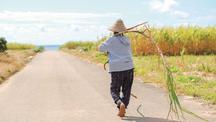
Native to the tropics, sugarcane thrives in warm climates and can withstand strong winds and water shortages. These characteristics have made it an essential key crop in Okinawa Prefecture, which is prone to typhoons and droughts.
In 1623, Gima Shinjo (1) is said to have instructed members of a delegation to Ming China to learn sugar-making techniques and subsequently began brown sugar production in the Ryukyu Kingdom (2). Brown sugar production then developed into an important industry that supported the Kingdom's finances.
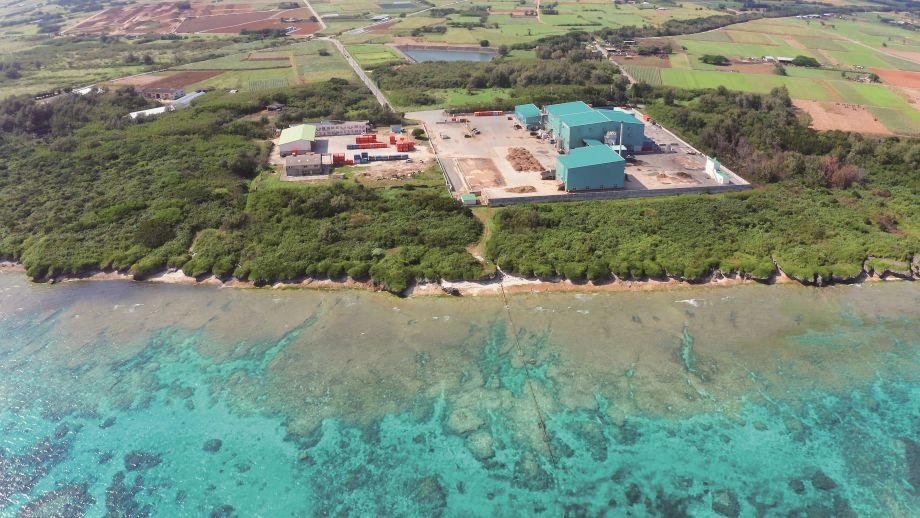
In the Meiji era (3), as modern factories for producing refined sugar became widespread, traditional brown sugar manufacturing came to be practiced mainly on remote islands. Although factories have since been modernized, the traditional method of pressing fresh sugarcane and boiling down the juice directly is still preserved. There is also a custom of eating brown sugar or drinking "sata yu (brown sugar dissolved in hot water)" during breaks from work in the fields. "OKINAWA KOKUTOU" is therefore deeply rooted in both local industry and the daily lives of people.
- Gima Shinjo introduced and popularized sugar-making techniques from Ming China (present-day China). He also promoted sweet potato cultivation and cotton weaving, helping to restore the Ryukyu Kingdom's finances. For these contributions, he is known as the father of Okinawan industry.
- The Ryukyu Kingdom: It was based in Ryukyu islands and existed for 450 years from 1429 to 1879.
- Meiji period: An era of Japanese history extending from 1868 to 1912, during which Japan shifted from feudalism under the Shogunate to a modernized nation state.


 Japanese
 English