Shinjikosan Yamato Shijimi
| Registration Number | 171 |
|---|---|
| Name of the GI | Shinjikosan Yamato Shijimi、Shinjiko Shijimi、Lake Shinji Brackish Water Clam |
| Class | Fish and Shellfish |
| Date of Protection | 2025/11/17 |
| Producing Area |
Shimane Prefecture
Matsue City and Izumo City |
| Applicant - Name and Address | Lake Shinji Fisheries Cooperative Association 6-9 Sodeshicho, Matsue-shi, Shimane Prefecture |

Characteristics
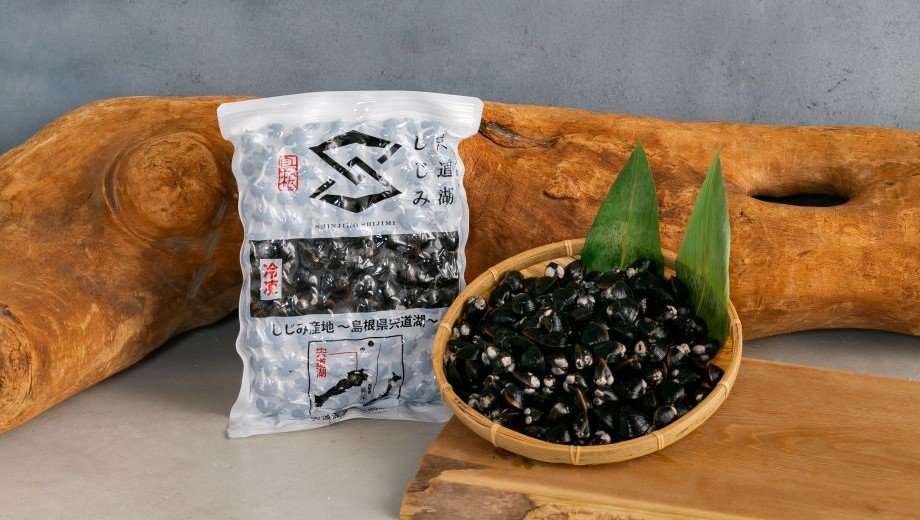
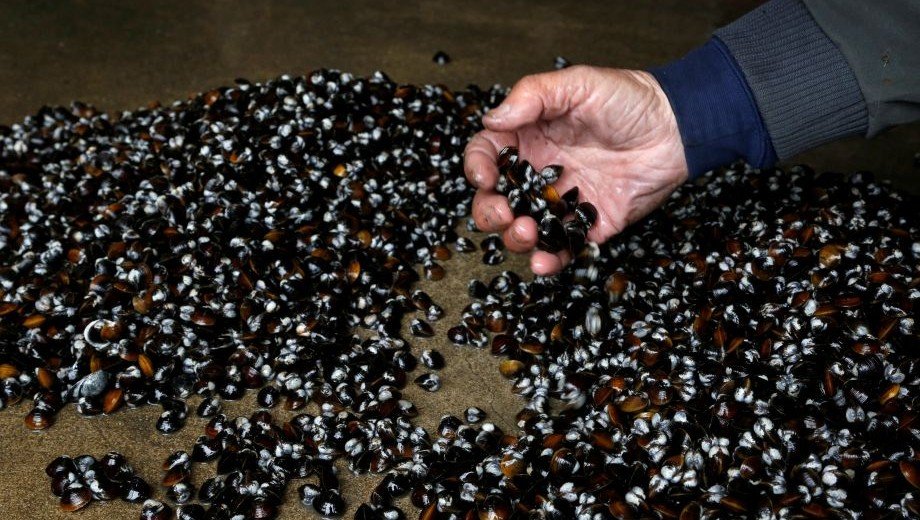
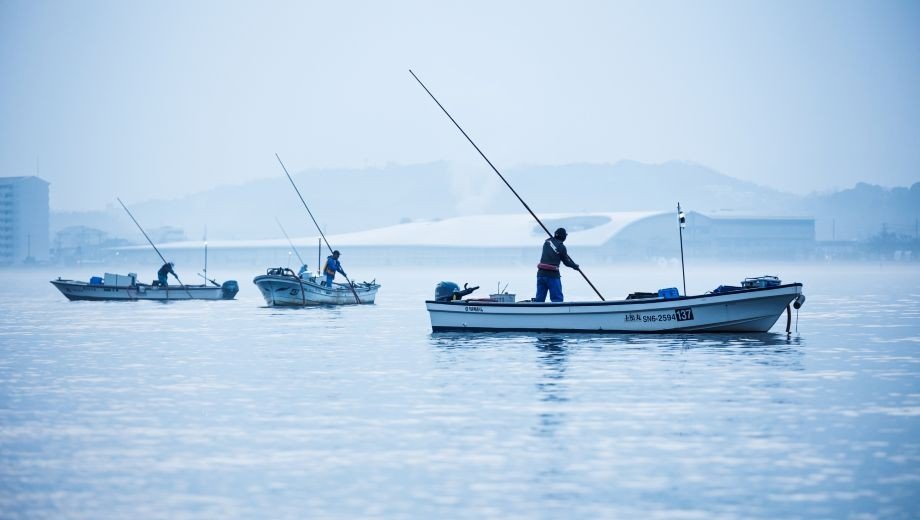
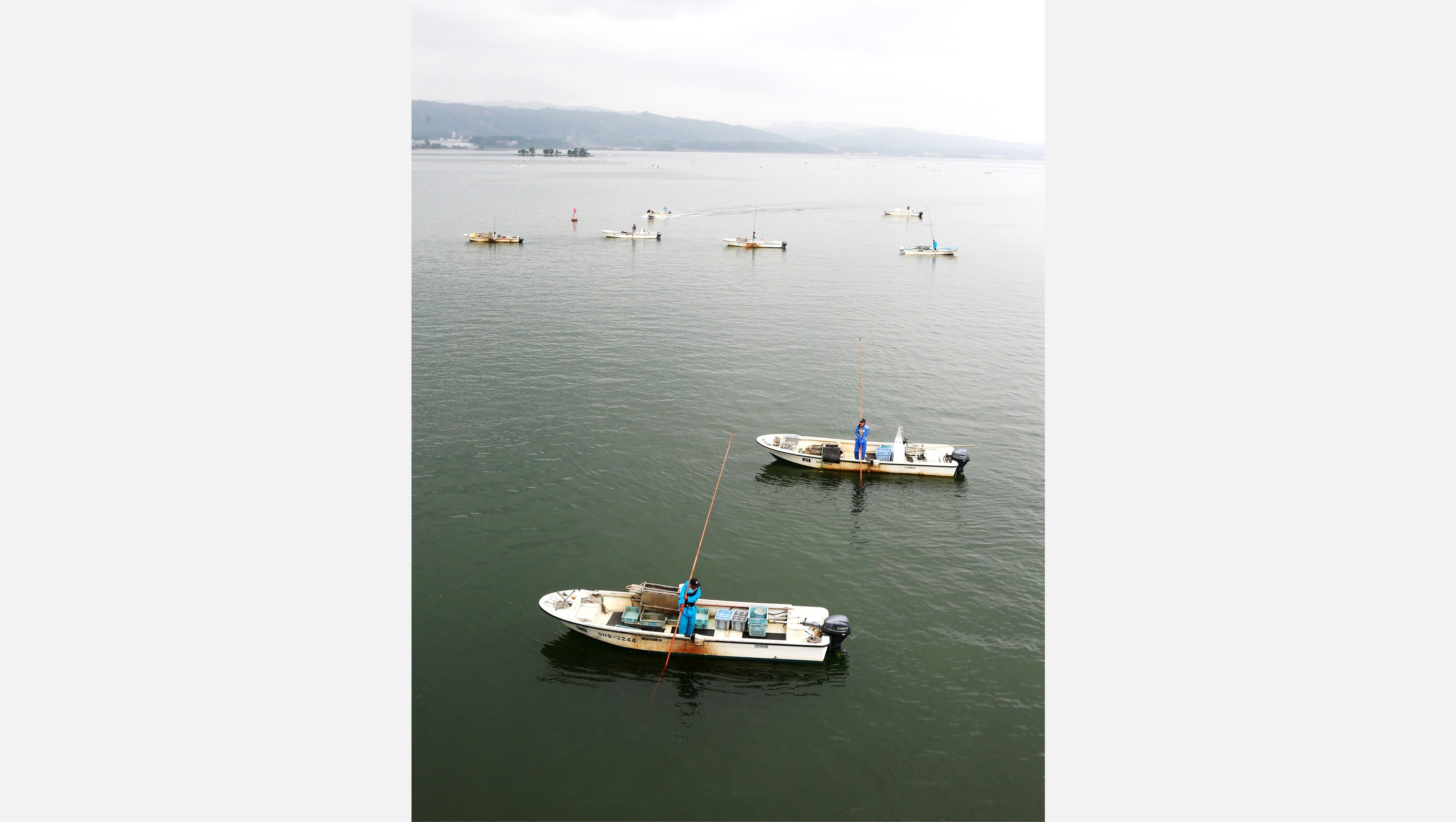
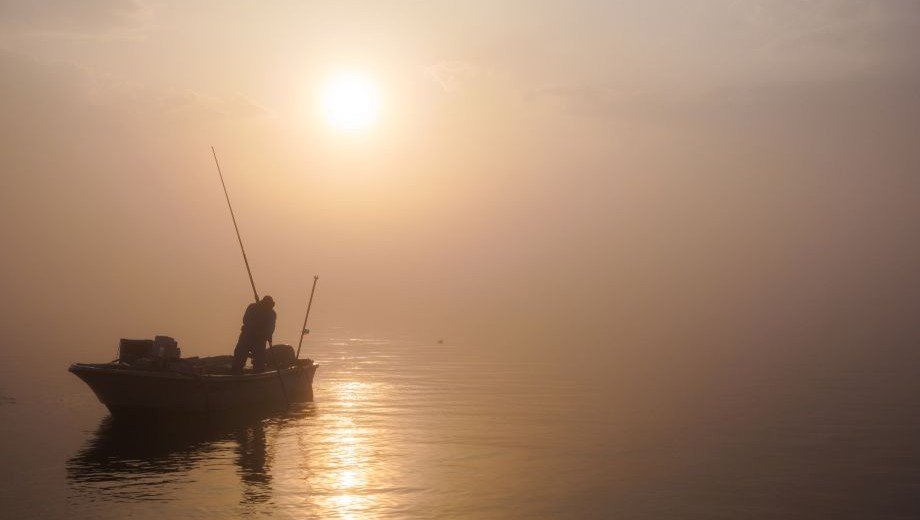
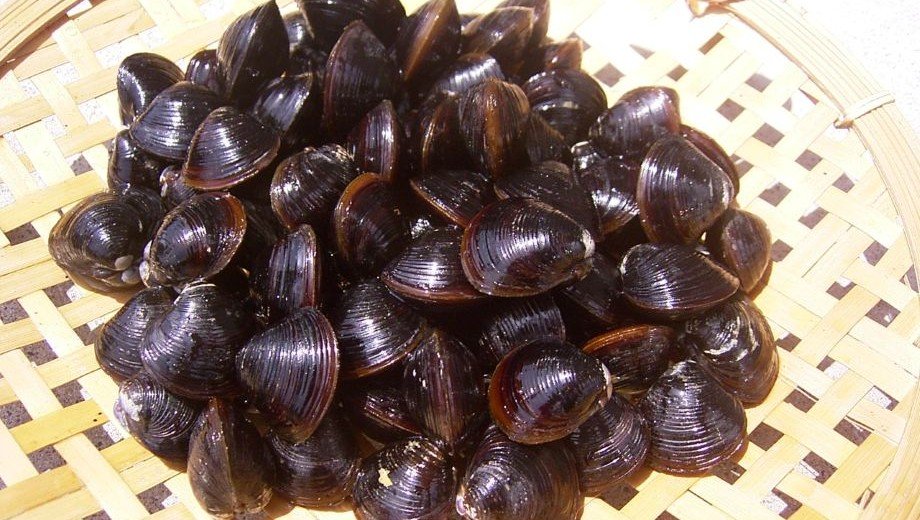
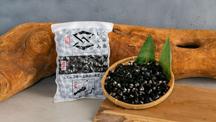
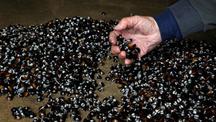
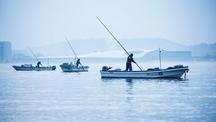
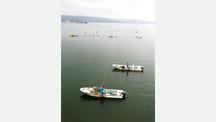
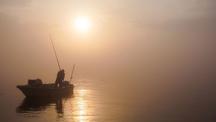
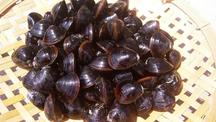
"Shinjikosan Yamato Shijimi" (Lake Shinji Brackish Water Clam) refers to Japanese basket clams (Corbicula japonica) (1) caught in Lake Shinji (2), Shimane Prefecture. These wild-caught clams are highly regarded by consumers for their thick, meaty flesh, delicious flavor, and high mineral and amino acid content. The clams are one of the "Shinjiko Shitchin (the seven delicacies of Lake Shinji)" (3) and have long been popular as a nourishing food during the summer "doyo" period (4).
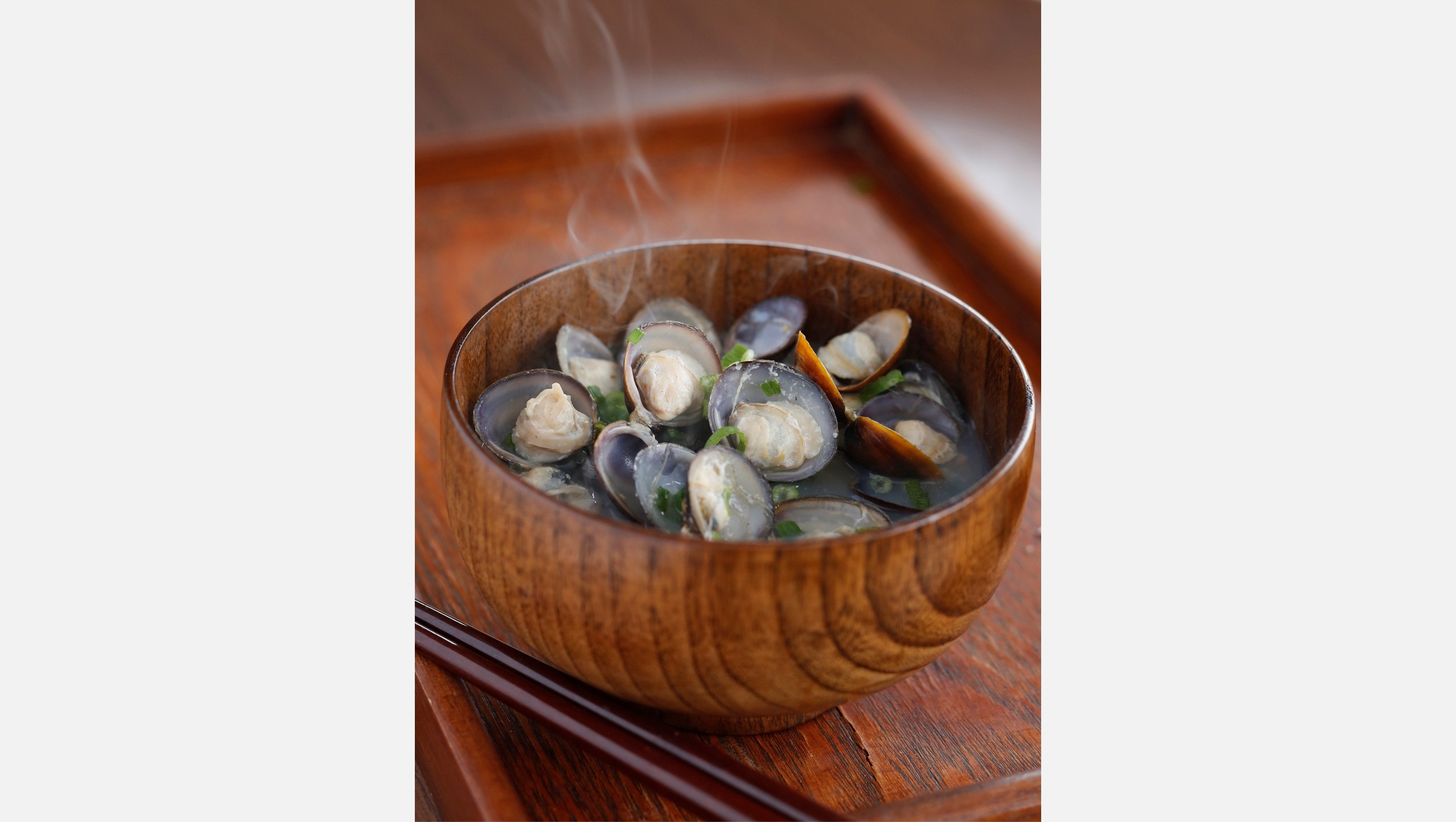
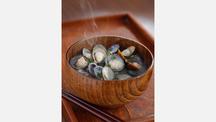
They are an essential ingredient in shijimi-jiru (brackish water clam miso soup) and sumashi-jiru (clear soup), both local specialties, and are among the products that best represent the flavors of Shimane Prefecture.
Production method
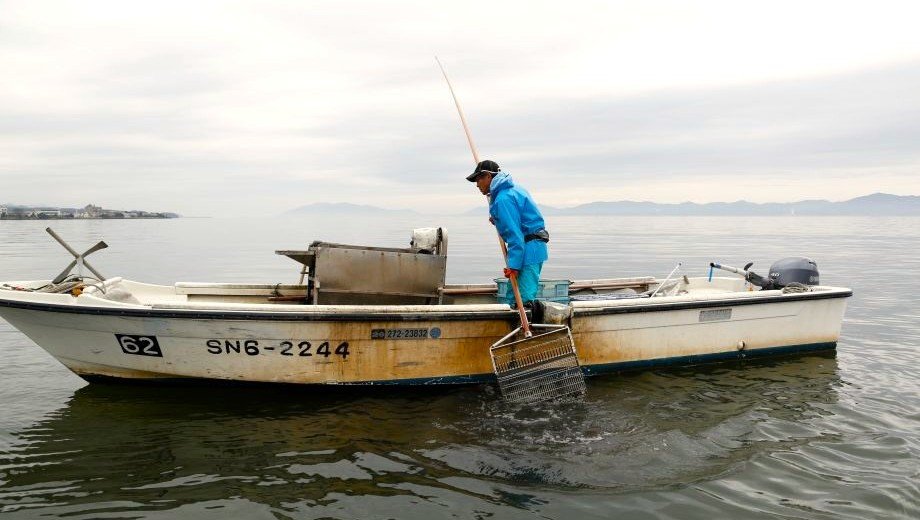
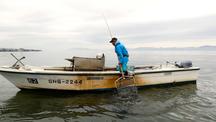
Japanese basket clams inhabiting Lake Shinji are caught in accordance with the fishing regulations established by the Lake Shinji Fisheries Cooperative Association. Harvesting baskets must have gaps of at least 11 mm, and sorting machines must have mesh openings of at least 10 mm. Clams with a shell width of at least 10 mm are selected and shipped fresh.
Link with the production area
Lake Shinji is a shallow brackish lake with a salt concentration of about one-tenth that of seawater. Nutrients flowing into the lake from surrounding rivers support abundant phytoplankton, which provides ample food for Japanese basket clams. This creates an ideal environment for the clams, which prefer low salinity and shallow waters along the lakeshore.
By the late Edo period, clams from Lake Shinji were being presented as tribute to Matsue Domain (5) under the name of "Goyo Shijimi". They were also enjoyed by ordinary people, who bought them from "Shijimi-uri (clam peddlers)" making their rounds through the town every morning.
A project to convert Lake Shinji into a freshwater lake began in 1963. However, "Shinjikosan Yamato Shijimi" helped galvanize a residents' movement to protect the lake's water quality and clam population. The project was consequently suspended in 1988 and totally cancelled in 2002, thereby safeguarding "Shinjikosan Yamato Shijimi".
Stronger resource management and other measures established a system for sustainable production. As a result, Lake Shinji became Japan's leading source of Japanese basket clams by catch volume in 1981.
- Yamato shijimi: Yamato shijimi is a species of edible bivalve that thrives in brackish waters and is endemic to Japan.
- Lake Shinji: The seventh largest lake in Japan, located in the northeast area of Shimane Prefecture. It is a brackish lake and is connected to Lake Nakaumi via Ohashi River. The Lake is known for clam fishing and accounts for around 40% of the total catch in Japan.
- "Shinjiko Shitchin (the seven delicacies of Lake Shinji)" refers to seven representative types of fish and shellfish caught in Lake Shinji, Shimane Prefecture: Japanese sea bass, offshore greasyback prawn, eel, Japanese smelt, icefish, common carp, and Japanese basket clam.
- "Doyo" is a period that marks the transition between seasons in the Japanese traditional calendar. Here, it refers to "natsu no doyo (summer doyo)", the approximately 18-day period preceding the beginning of autumn in that calendar.
- Matsue Domain:A domain was a feudal territory granted to a feudal lord by the shogun during the Edo period, along with its governing administration. The Matsue Domain encompassed Izumo Province (the eastern part of present-day Shimane Prefecture) and Oki Province.

 Japanese
 English