Ibusuki Katsuobushi


| Registration Number | 169 |
|---|---|
| Name of the GI | Ibusuki Katsuobushi |
| Class | Processed Foodstuffs |
| Date of Protection | 2025/03/18 |
| Producing Area |
Kagoshima Prefecture
Ibusuki City |
| Applicant - Name and Address | Yamakawa Suisan Kakogyo Kyodokumiai(Yamakawa marine products processing industries cooperative) 9 Yamakawashineicho, Ibusuki City, Kagoshima Prefecture |
Producing Area

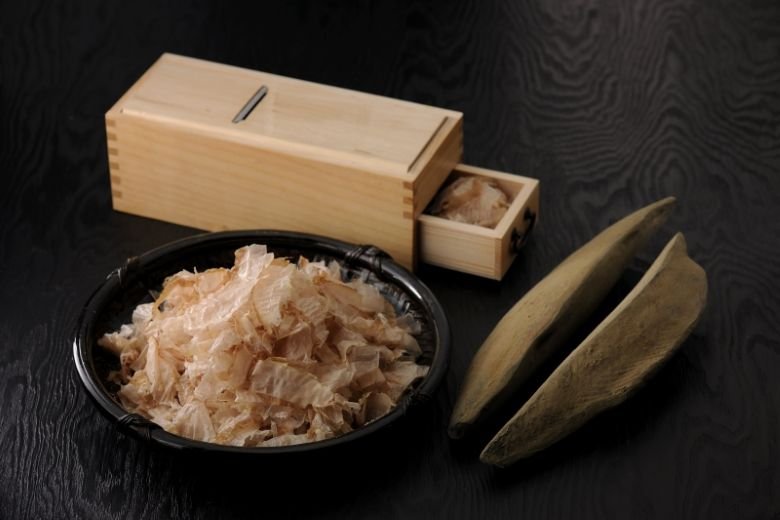
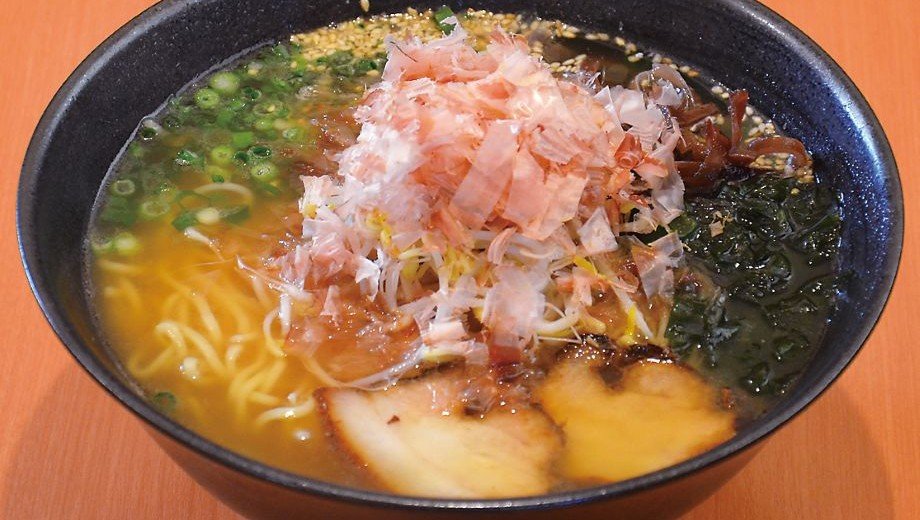
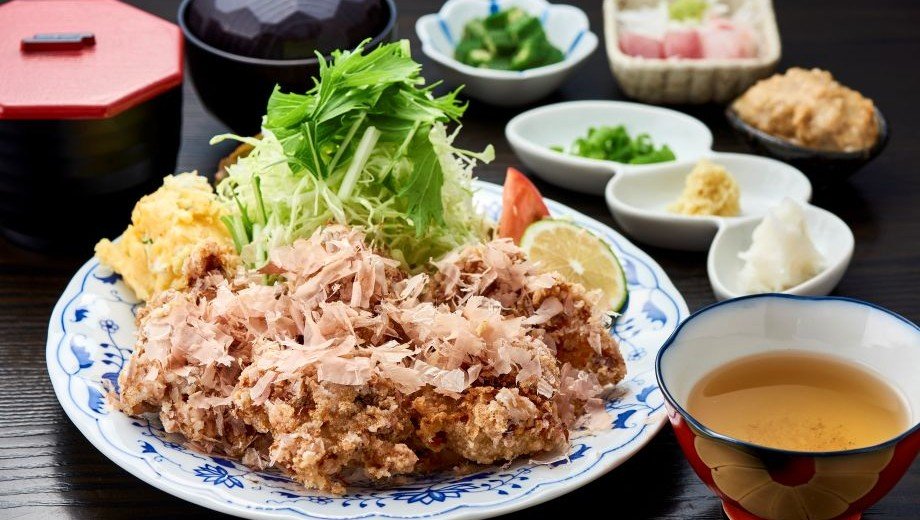
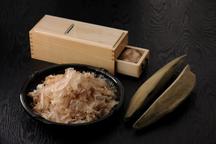
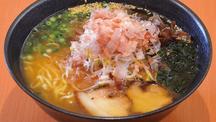
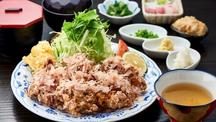
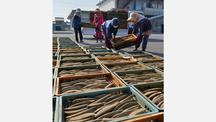
"Ibusuki Katsuobushi" is a type of katsuobushi (dried bonito) (1) produced in Ibusuki City, Kagoshima Prefecture.
The area is particularly famous for its production of hongare honbushi (2), which is the highest-grade variety of katsuobushi, known for its refined aroma and deep flavor. Ibusuki accounts for over 70% of all hongare honbushi in Japan.
Since the National Katsuobushi Competition began in 1949, Ibusuki Katsuobushi has won numerous top prizes, including the Minister of Agriculture, Forestry and Fisheries Award.
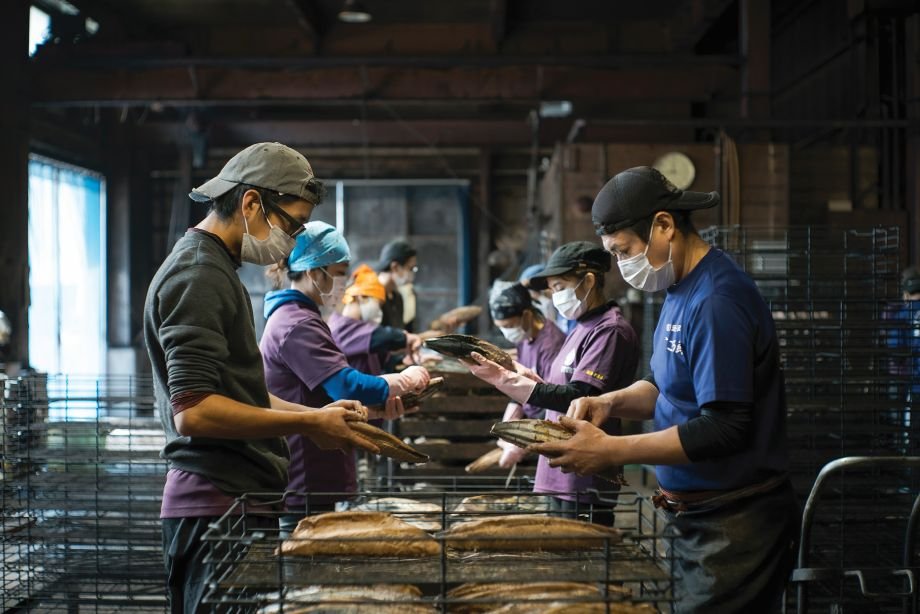
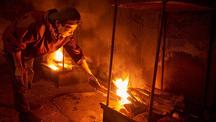
"Ibusuki Katsuobushi" is made from bonito and produced within the designated production area. Manufacturing and shipment are conducted in accordance with the "Ibusuki Katsuobushi Certification Standards" established by Yamagawa Suisan Kakogyo Kyodokumiai (Yamagawa Marine Products Processing Cooperative Association).
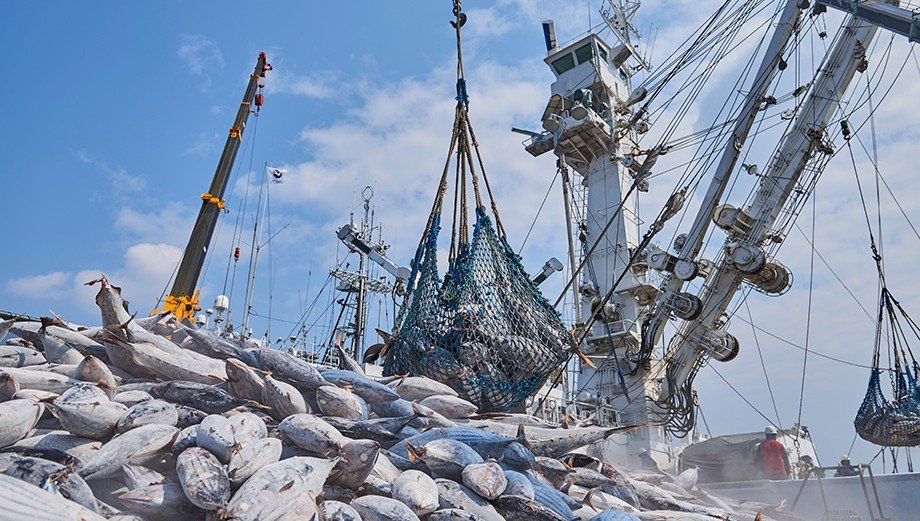
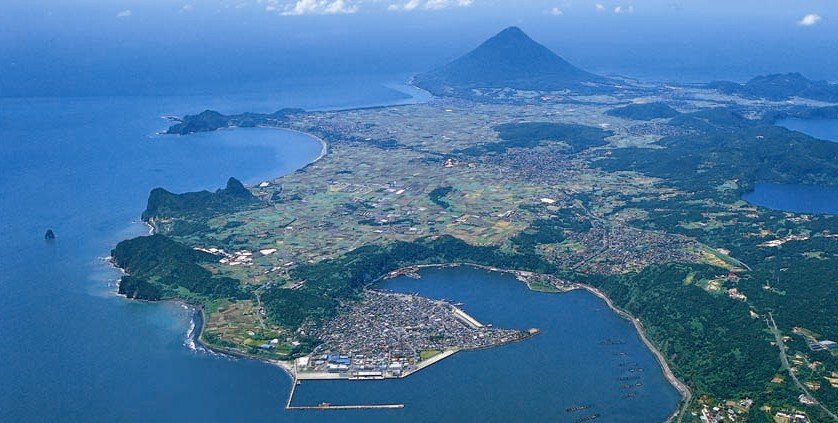
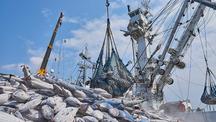
The production area of "Ibusuki Katsuobushi", i.e., the Yamagawa District of Ibusuki City, Kagoshima Prefecture, is located at the southernmost tip of the Satsuma Peninsula (3). Yamagawa Port is a natural good port formed by the inflow of seawater into a volcanic crater and developed during the Meiji (4) and Taisho periods (5) as a well-located base for bonito fishery in the sea near Amami. In 1909, a katsuobushi manufacturer from Ehime Prefecture borrowed a shed in the Yamagawa District and began production using the Tosabushi (6) technique, a former method of Hongare honbushi. This is believed to be the beginning of the katsuobushi output in the area. Other katsuobushi manufacturers followed, immigrating from other prefectures to the district in search of high-quality raw materials. The production method was disseminated to local producers, and production of dried bonito gained momentum.
Today, the annual production of katsuobushi in Ibusuki City is approximately 6,200 tons, yielding a yearly revenue of 11 billion yen (as of 2023).
Most producers in the production area have continued to protect "hongare honbushi"; and Ibusuki City, especially Yamagawa District, boasts the top production of "hongare honbushi" in Japan.
- Kastuobushi : Boiled, smoked and dried bonito.
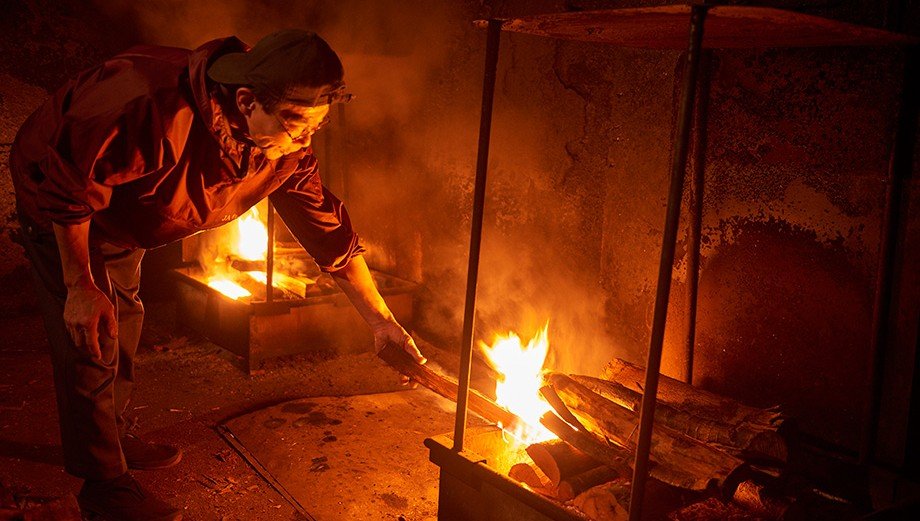
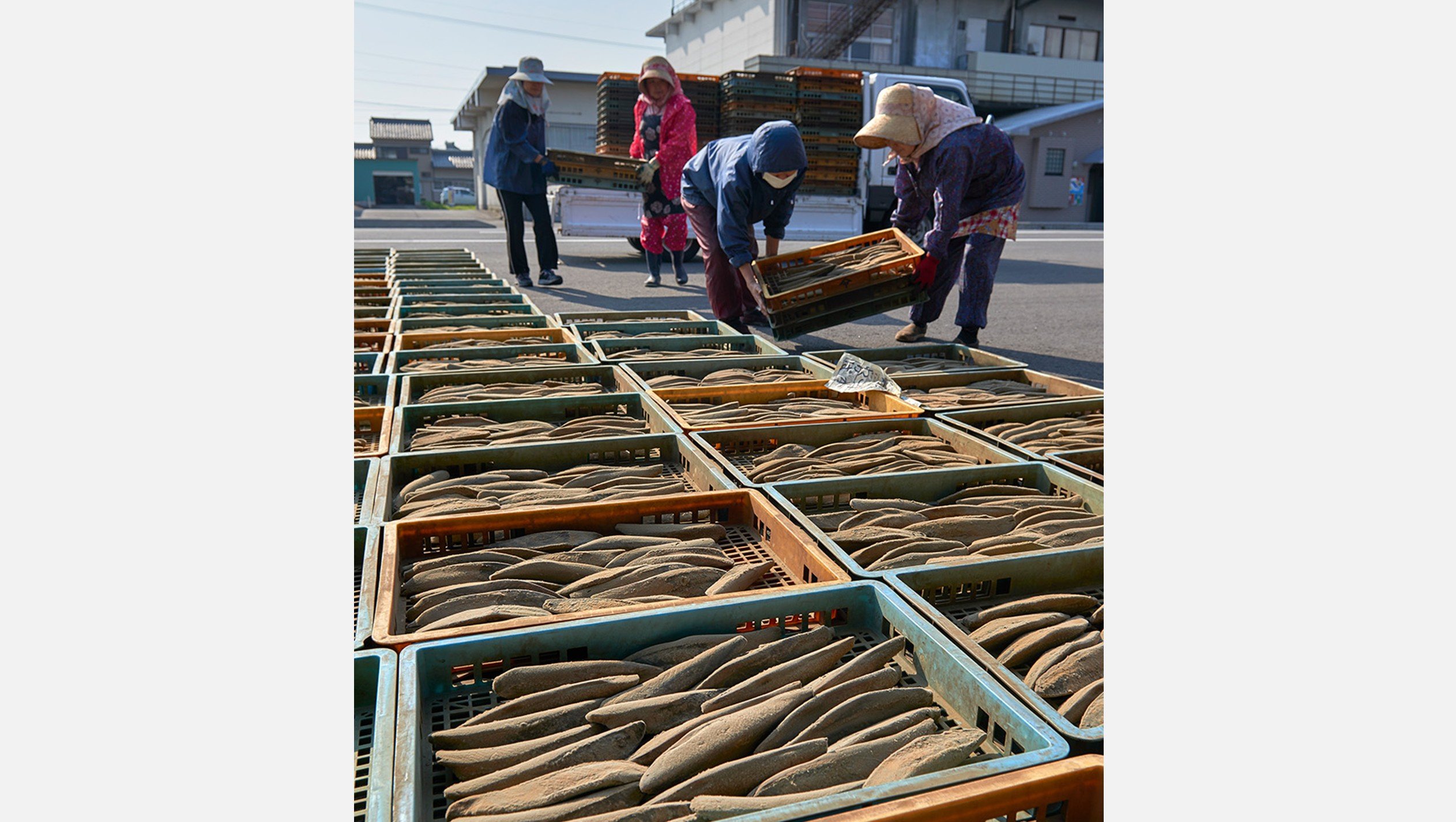
- Hongare honbushi: Among katsuobushi varieties, "arabushi" refers to bonito that has been smoked and dried. When the surface of arabushi is shaved, mold inoculation and drying are repeated two or more times, resulting in "karebushi". The highest-grade product, made through additional cycles of mold application and drying, is called "hongarebushi". When the bonito fillet is cut into two along the bloodline (chiai) before being boiled and undergoing the subsequent processes, the resulting product is known as "hongare honbushi".
- Satsuma Peninsula: A peninsula located in the southwestern part of Kagoshima Prefecture.
- Meiji period: An era of Japanese history extending from 1868 to 1912, during which Japan shifted from feudalism under the Shogunate to a modernized nation state.
- Taisho period: 1912 to 1926. A period in the history of Japan, and the shortest of all periods. Modernization continued as in the Meiji period, and democracy was advocated through the pro-Constitution movement and the establishment of a party cabinet.
- Tosabushi: A type of "karebushi" that has been traditionally produced and handed down in Tosa (present-day Kochi Prefecture).



 Japanese
 English