Gozen Miso

| Registration Number | 167 |
|---|---|
| Name of the GI | Gozen Miso |
| Class | Processed Foodstuffs |
| Date of Protection | 2025/03/18 |
| Producing Area | Tokushima Prefecture |
| Applicant - Name and Address | Tokushima Miso Kogyo Kyodokumiai(Tokushima Miso Industry Cooperative) 1-95-1, Nakashowacho, Tokushima City, Tokushima Prefecture |
Producing Area

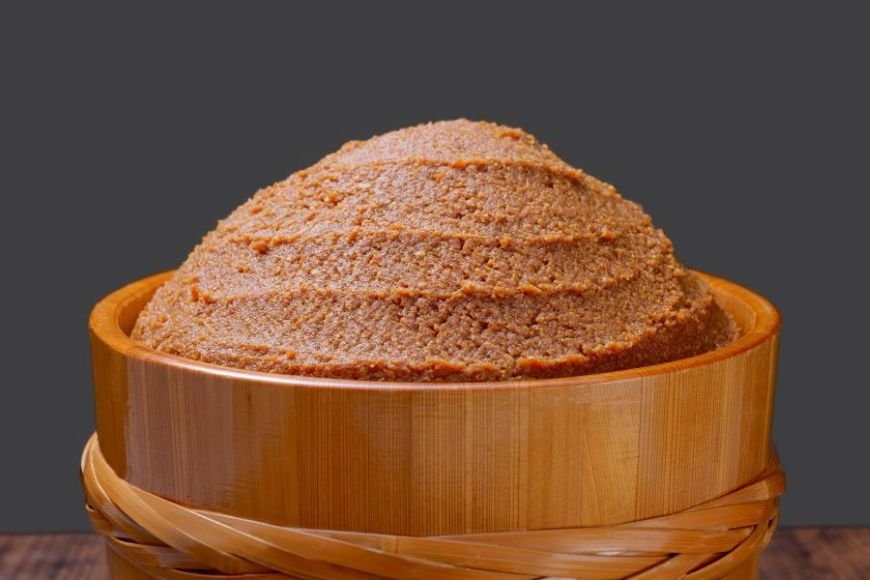
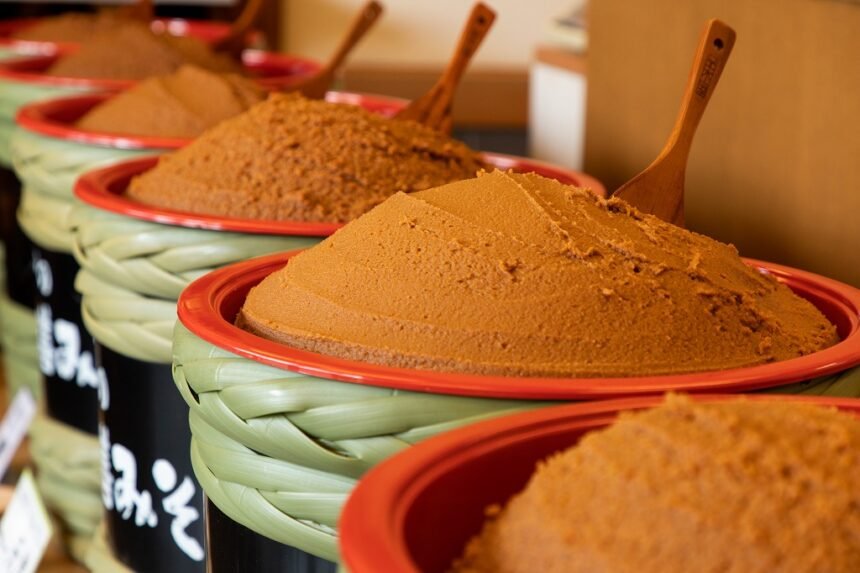
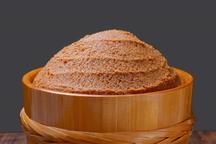
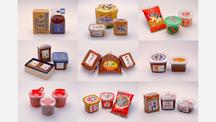
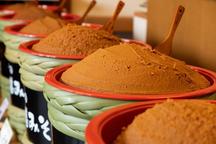
"Gozen Miso" is a "miso" distinguished by its stronger sweetness and sourness compared to standard salty miso, along with a fresh, apple-like aroma and a deep, rich flavor with subtle notes of astringency and bitterness. The name "Gozen Miso" originates from its historical use in the "gozen (formal meal)" served to the feudal lord of Awa Domain (1) during the Edo period (2). It has long been a popular condiment throughout the Kansai, Chugoku, and Shikoku regions and is regarded as a representative "miso" of Tokushima Prefecture.
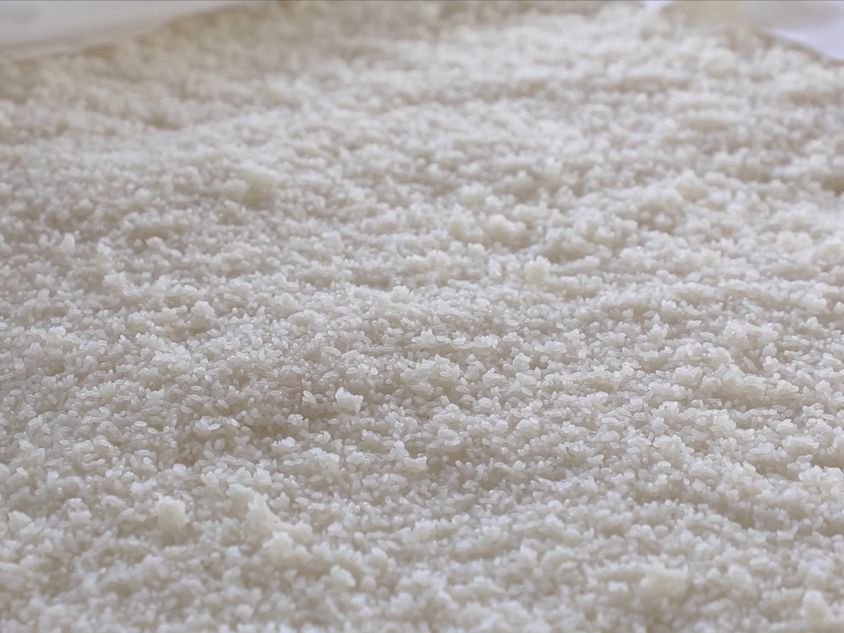
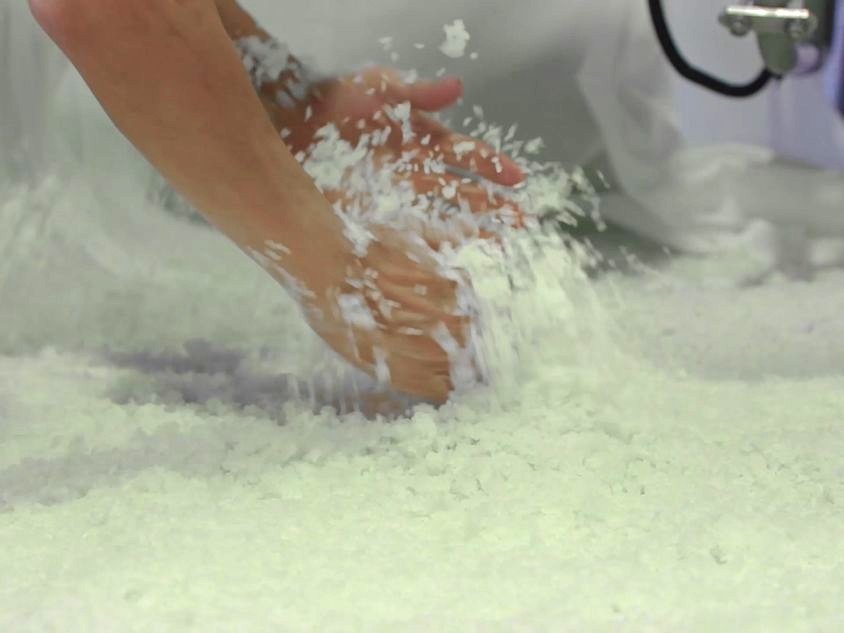
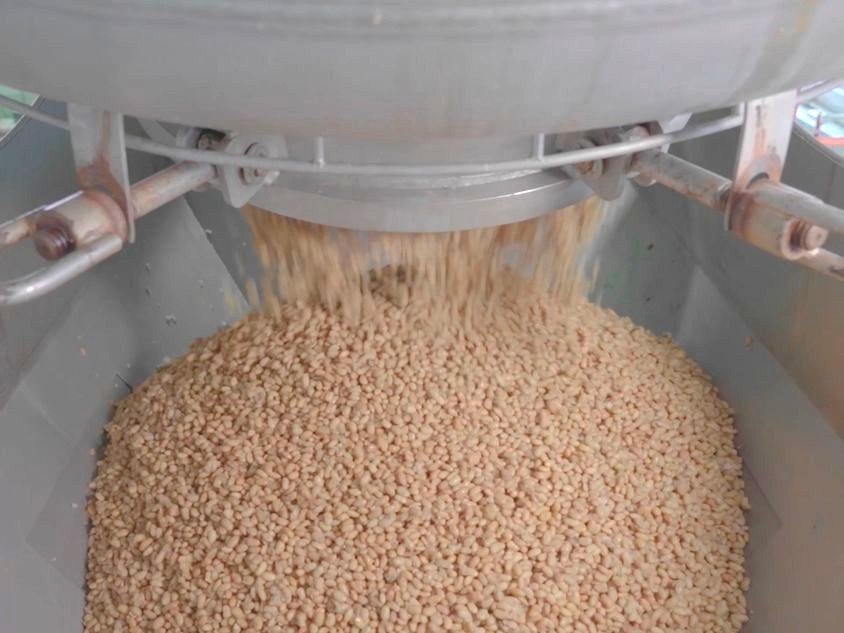
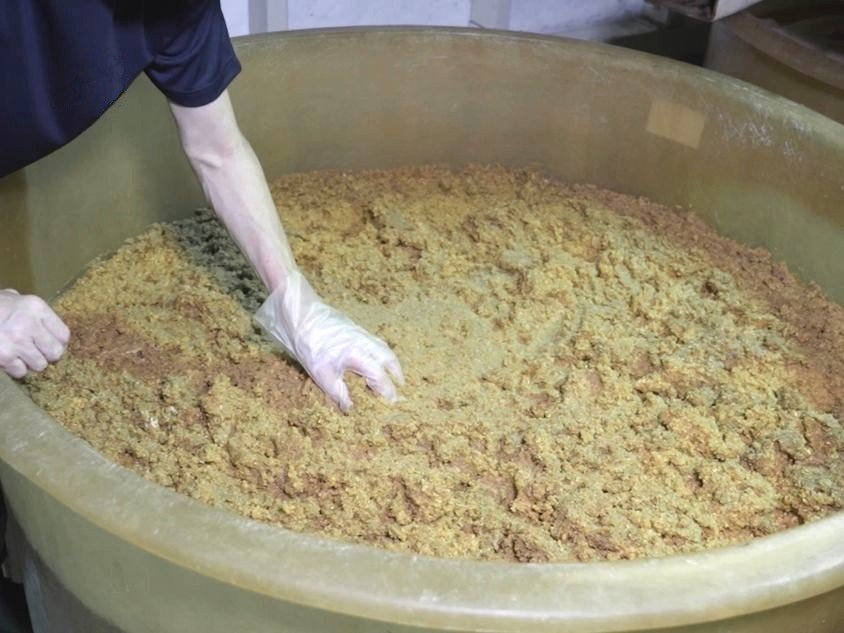
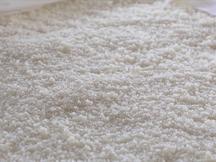
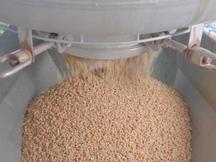
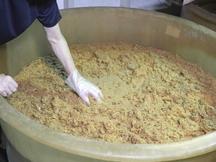
The main ingredients of "Gozen Miso" are rice, soybean, and salt, with a high rice-to-soybean ratio of at least 11:10. To achieve the distinctive characteristics of "Gozen Miso", the miso is fermented and matured for at least one month for the heated (fast-fermented) type and about 50 days for the non-heated (naturally fermented) type.
The origins of "Gozen Miso" trace back to 1587, when Hachisuka Iemasa (3) governed the Awa area. He promoted salt production in Naruto and indigo dye manufacturing as key regional industries. After the indigo harvest, soybeans were cultivated as an off-season crop on the same fields. Thanks to the nutrient-rich soil left by the indigo cultivation, extensive and tasty Mejiro soybeans (4) were produced. Combined with locally produced salt and rice, these soybeans gave birth to "Gozen Miso".
In 1968, the Tokushima Prefectural Industrial Experimental Station (current Tokushima Prefectural Industrial Technology Center) developed a new yeast strain capable of producing diverse organic and amino acids during maturation. This innovation shortened the maturation period and dramatically improved the quality of miso, including its flavor, aroma, and luster.
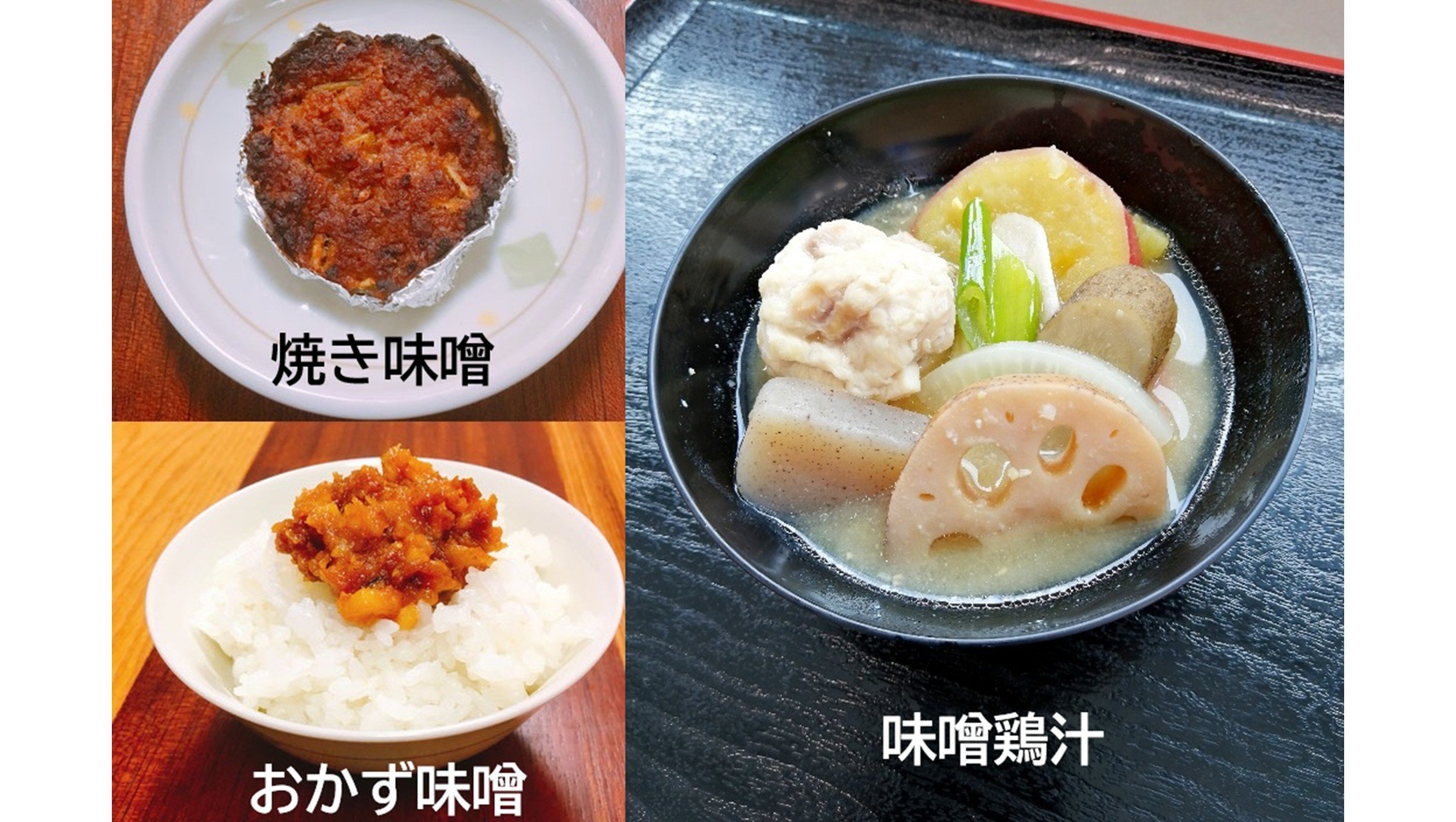
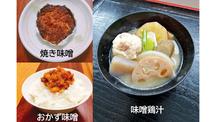
In Tokushima Prefecture, "miso" is used not only as a condiment but as a key ingredient in traditional dishes such as "yaki miso (5)" and "okazu miso (6)".
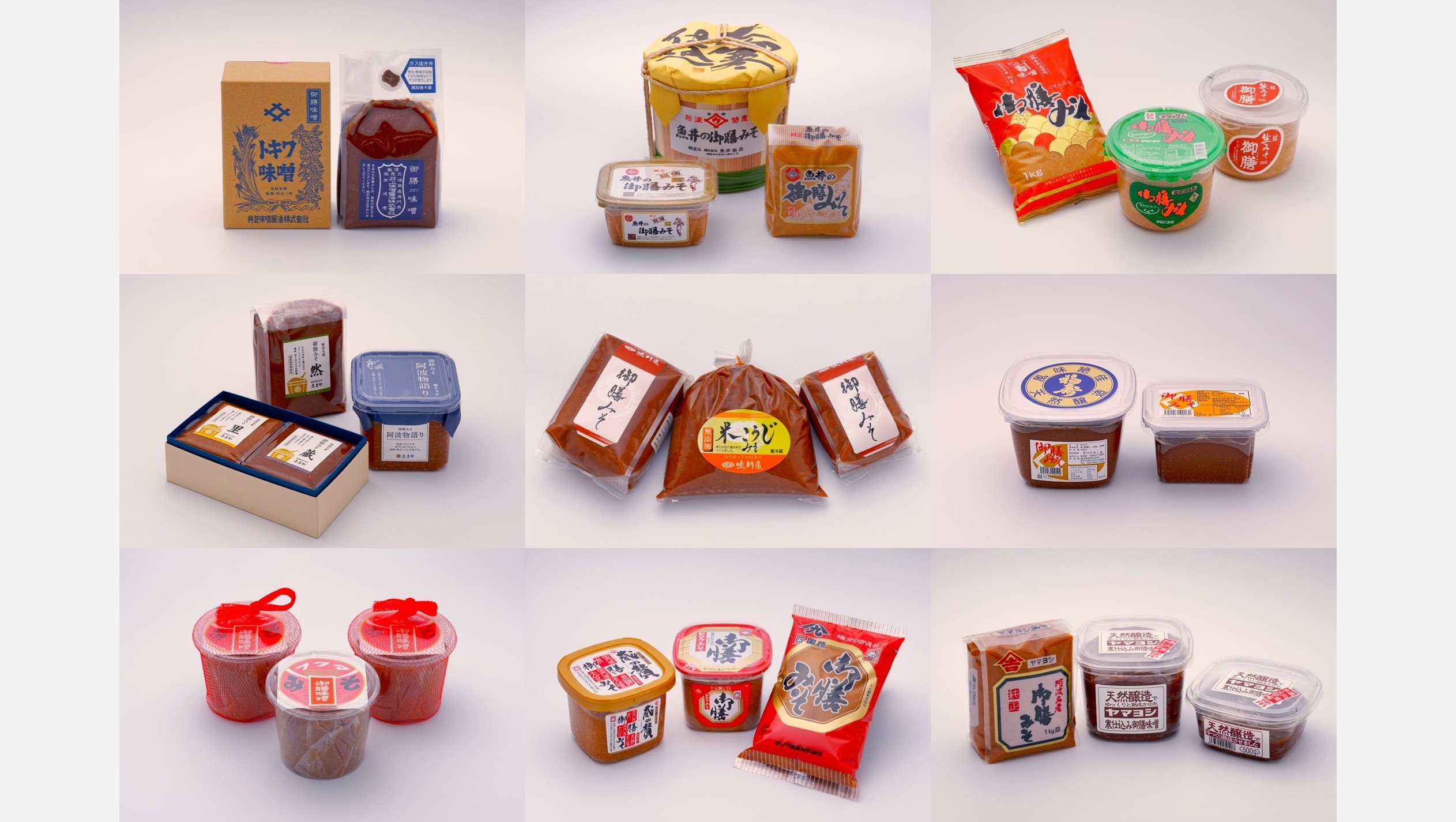
As of 2025, there are nine manufacturers of "Gozen Miso", with an annual production volume of 1,592 tons (as of 2022).
- Awa Domain: A domain was a feudal territory granted to a feudal lord by the shogun during the Edo period, along with its governing administration. Awa Domain was ruled by the Hachisuka clan, who governed Awa-no-kuni (current Tokushima Prefecture) and Awaji-no-kuni (current Awaji Island) during the Edo period. It was also known as the Tokushima Domain.
- The Edo Period: 1603-1867. It is a period of Japanese history characterized by the establishment of a shogunate (feudal military government) in Edo (now Tokyo). Political administration under the Tokugawa clan began when Tokugawa Ieyasu became the era's first shogun.
- Hachisuka Iemasa: A samurai and daimyo who lived from the Sengoku period to the early Edo period. He served Toyotomi Hideyoshi, became the feudal lord of Awa (180,000 koku) in 1586, and was later recognized as the founder of the Awa Domain in the Edo period.
- Mejiro soybean: One of the traditional local soybean varieties that has been cultivated in Tokushima Prefecture since ancient times.
- Yaki miso: Miso roasted over an open fire, charcoal fire, or hot plate to bring out its fragrant aroma. It is enjoyed as a snack with sake, as a side dish with rice, or as an ingredient for chazuke.
- Okazu miso: A type of "eating miso" made by adding vegetables, spices, meat, fish, etc. to miso as the main ingredient. It is eaten as a side dish with rice.



 Japanese
 English