Kyo Kamonasu
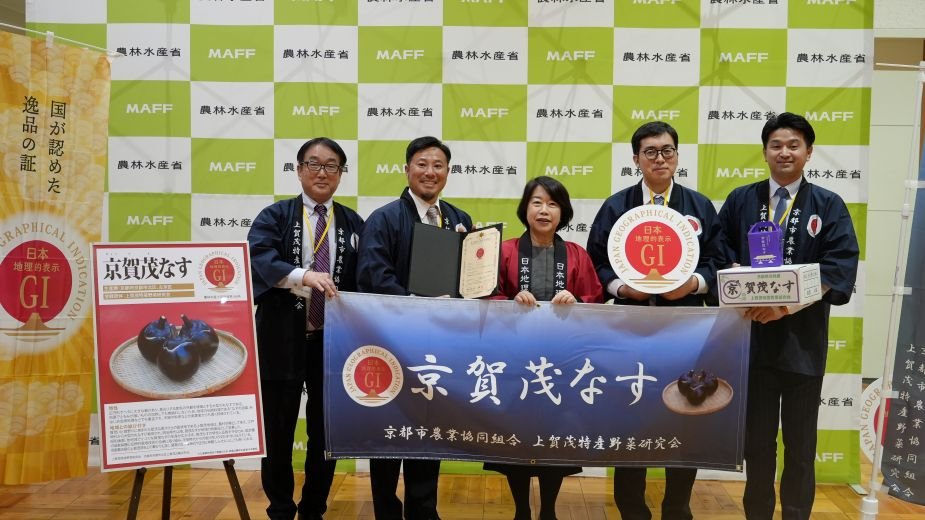
| Registration Number | 165 |
|---|---|
| Name of the GI | Kyo Kamonasu |
| Class | Vegetables/ Cereal grains/Pulses |
| Date of Protection | 2025/03/18 |
| Producing Area |
Kyoto Prefecture
Kita-ku, Sakyo-ku, Kyoto City |
| Applicant - Name and Address | Kamigamo Tokusan Yasai Kenkyukai(Kamigamo Specialty Vegetable Research Group) 66 Kamigamomukainawatecho, Kita-ku, Kyoto City, Kyoto Prefecture |
Producing Area

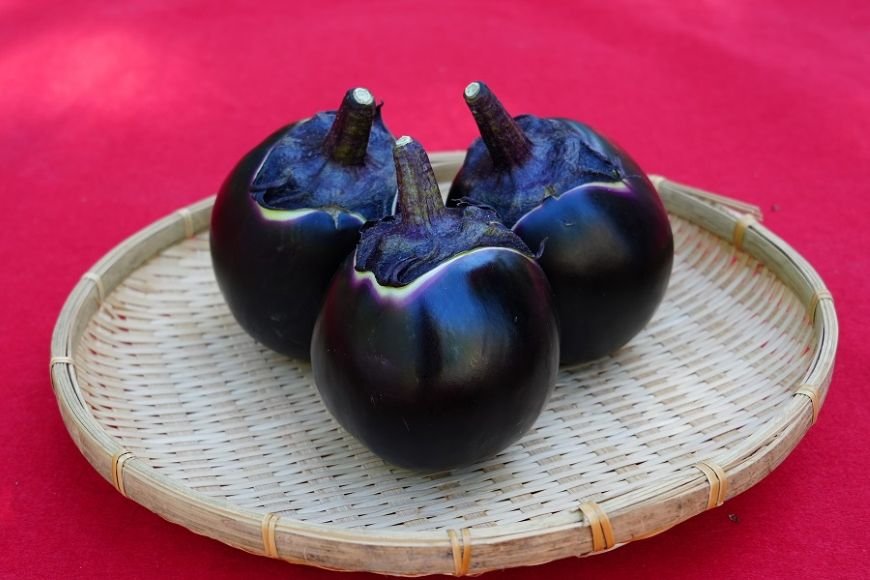
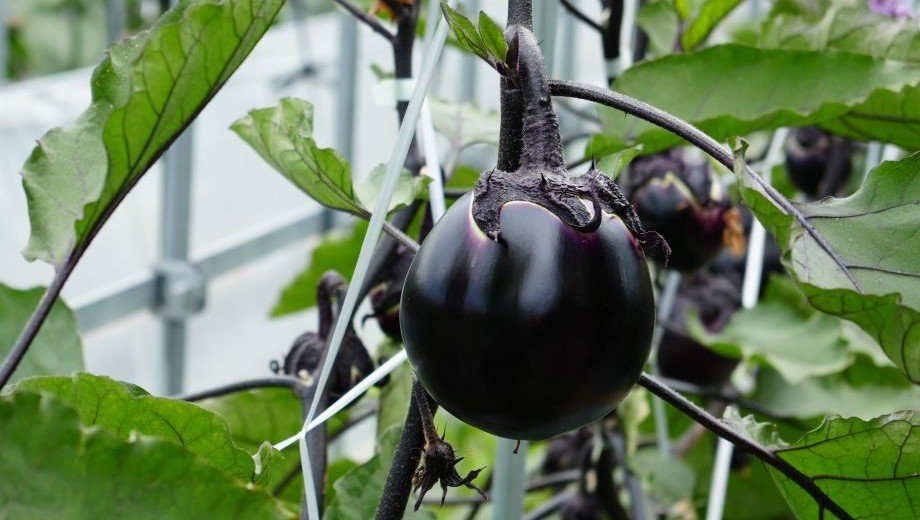
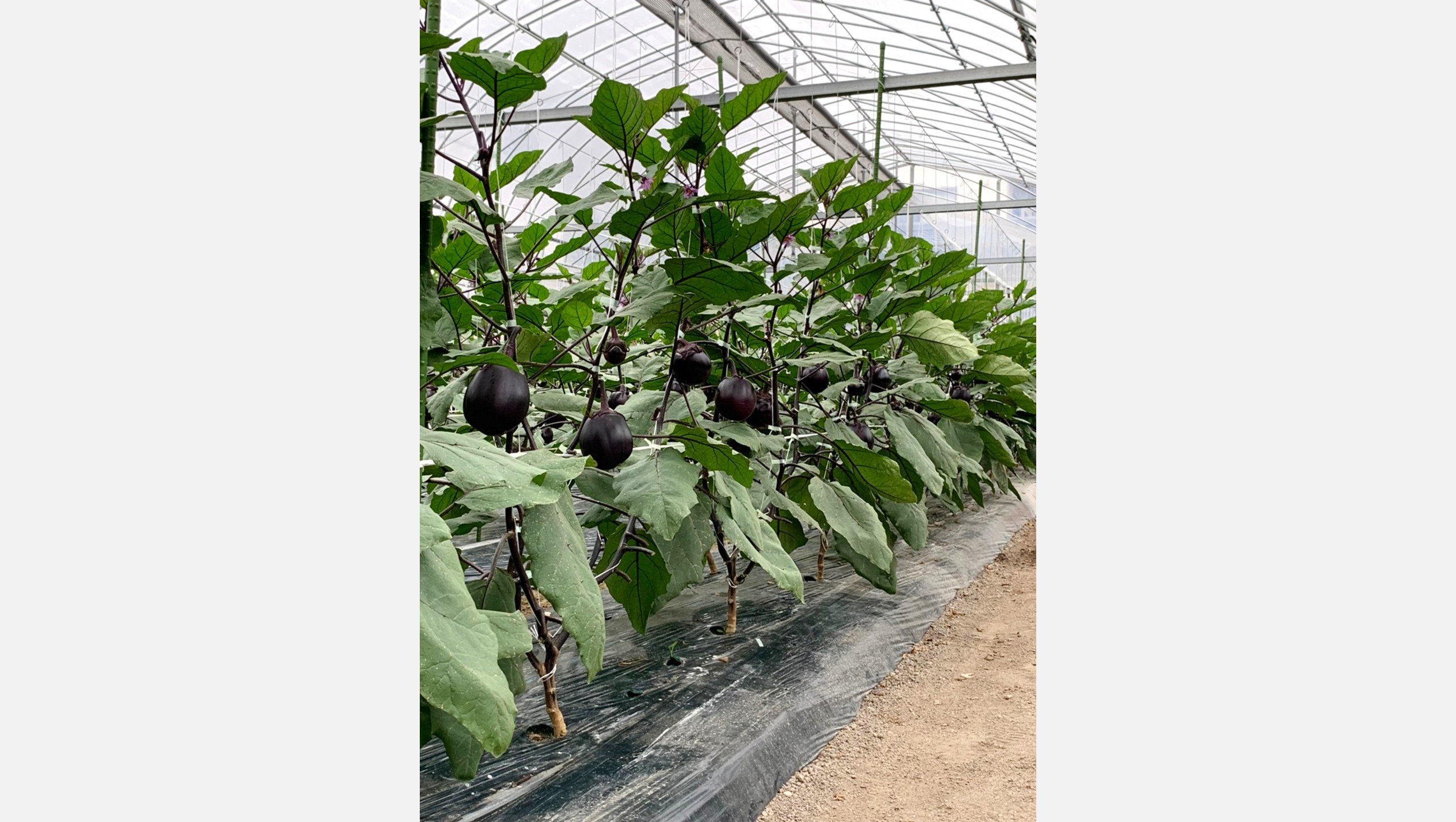
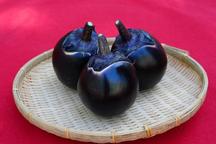
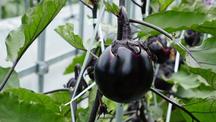
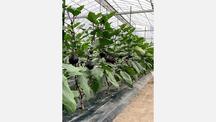
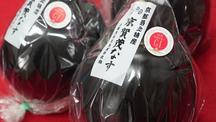
"Kyo Kamonasu" is a large, round eggplant characterized by its perfectly circular shape, prominent spiny calyx, and shiny dark-purple skin. It has thick flesh that becomes creamy and tender when cooked yet retains its shape without disintegrating, making it highly valued in traditional Kyoto cuisine, such as Nasu no Dengaku (miso-glazed eggplant) and kaiseki dishes. It is also prized as a gift item, earning high acclaim from markets, Kyoto restaurants, and major department stores in the Tokyo Metropolitan Area.
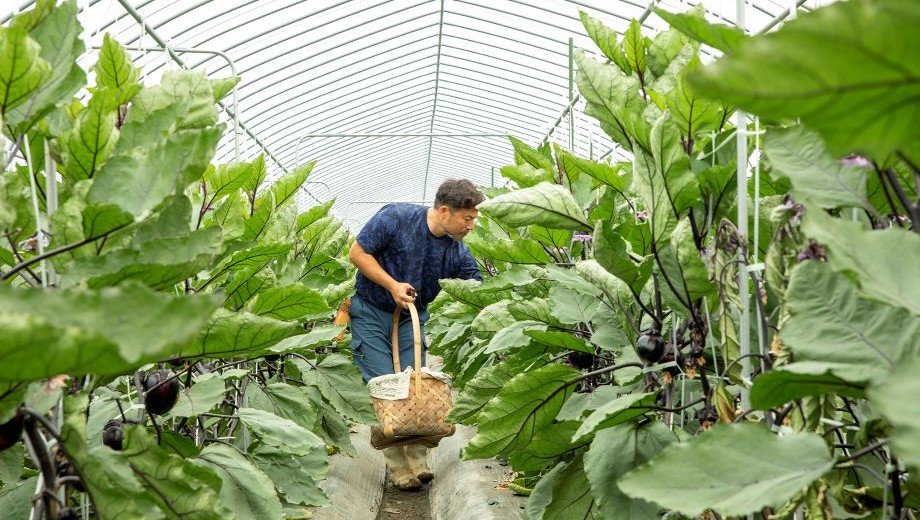
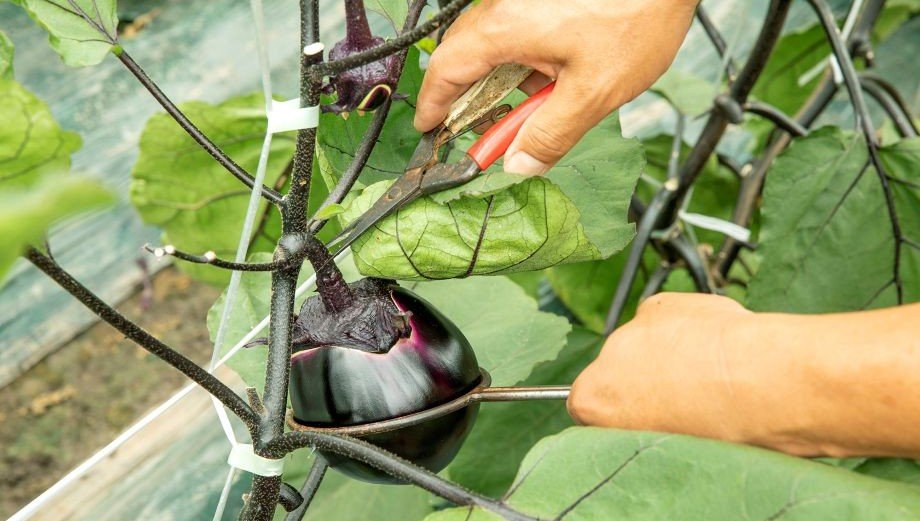
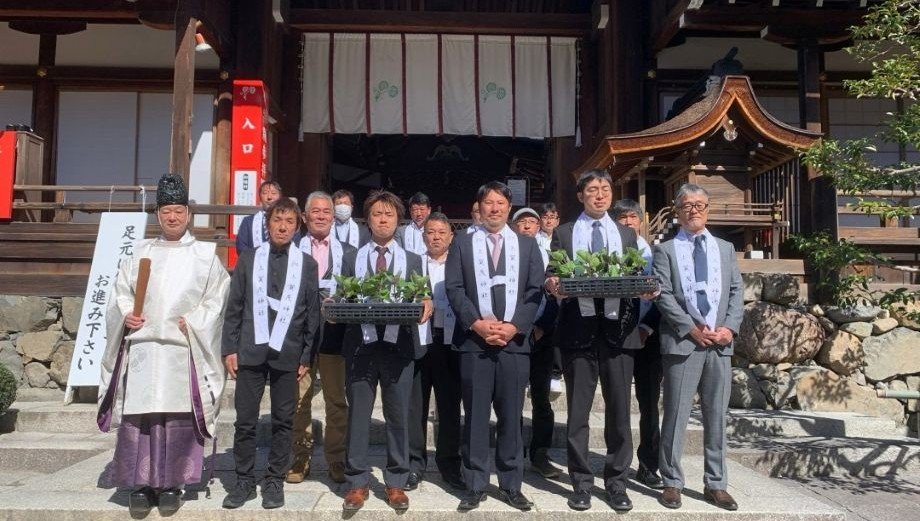
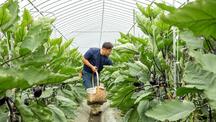
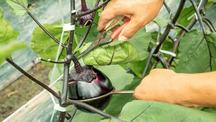
"Kyo Kamonasu" is produced using seeds self-collected from fixed-line varieties at the "Kyoto Shi Tokusan Sosai Hozon Ho (Kyoto City Special Vegetable Preservation Garden)" (1), which operates under commission from Kyoto City. Cultivation is carried out in accordance with the growing methods prescribed by the Kamigamo Tokusan Yasai Kenkyukai (Kamigamo Specialty Vegetable Research Group; hereinafter referred to as "the Research Group").
The Kamigamo area is located on an alluvial fan between the Kamo River (2) and the Takano River (3). The sediments carried by these rivers, combined with small amounts of volcanic ash, have formed fertile, black volcanic soils (kuroboku-do) with excellent water retention and permeability, making the region ideal for vegetable cultivation, especially for eggplants. The area prospered as a farming zone during the Edo period (4). From the Meiji period (5) onward, cultivation of "Kamonasu" flourished, and the eggplant became established as a local specialty.
In the late Showa period (6), however, urbanization reduced the cultivation area in Kamigamo, while production of "Kamonasu" increased in other parts of Kyoto Prefecture. The fruits shipped from these newer production areas tended to be smaller than those traditionally grown in Kamigamo. To preserve the traditional characteristics of "Kamonasu", notably its large size and lustrous appearance, the Research Group started cultivating fixed-line varieties at the Preservation Garden in 1992, collecting and using self-harvested seeds.
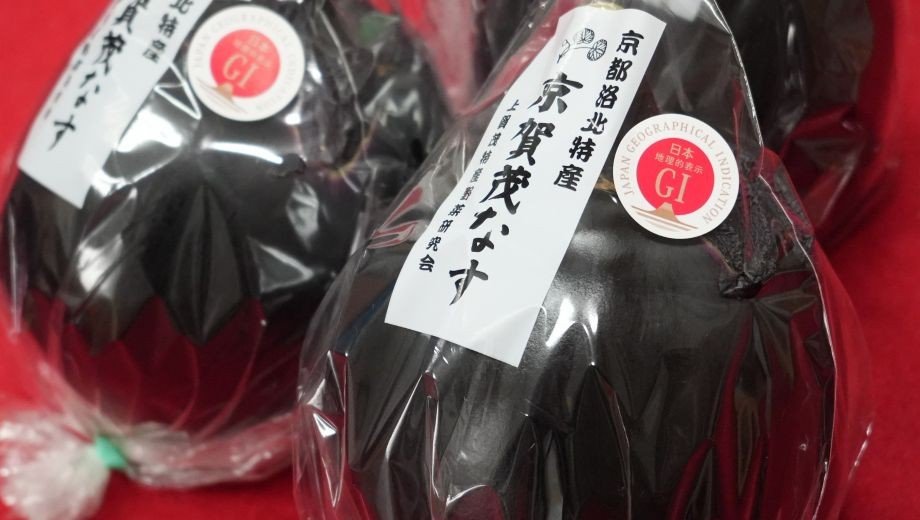
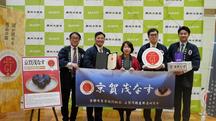
Although production of "Kamonasu" has since spread to Shiga and other prefectures, the Kamigamo area started shipping under the name "Kyo Kamonasu" in 2018. This designation helps consumers recognize it as the authentic "Kamonasu", retaining its original qualities and traditional flavor.
- Kyoto Shi Tokusan Sosai Hozon Ho: An experimental field established by Kyoto City to preserve and prevent the extinction of traditional Kyoto vegetables.
- Kamo River: The upper section of the river that flows north-south through Kyoto City; the river becomes known as Kamo River after merging with Takano River.
- Takano River: A tributary of the Kamo River that flows through Sakyo Ward, Kyoto City, originating in Ōhara and joining the Kamo River (賀茂川) downstream.
- The Edo Period: 1603-1867. It is a period of Japanese history characterized by the establishment of a shogunate (feudal military government) in Edo (now Tokyo). Political administration under the Tokugawa clan began when Tokugawa Ieyasu became the era's first shogun.
- Meiji period (1868-1912): One of Japan's historical eras, during which Japan transitioned from a feudal system under the shogunate to a centralized government, marking a time of rapid modernization and industrialization.
- Showa period (1926-1989) : The Showa period is an era in Japanese history.



 Japanese
 English