Sensyu Mizunasu


| Registration Number | 161 |
|---|---|
| Name of the GI | Sensyu Mizunasu、OSAKA MIZUNASU |
| Class | Vegetables/ Cereal grains/Pulses |
| Date of Protection | 2025/01/30 |
| Producing Area |
Oosaka Prefecture
Kishiwada City, Izumiotsu City, Kaizuka City, Izumisano City, Izumi City, Takaishi City, Sennan City, Hannan City, Tadaoka Town, Senboku County, Kumatori Town, Tajiri Town and Misaki Town, Sennan County |
| Applicant - Name and Address | National Federation of Agricultural Cooperative Associations 1-3-1 Otemachi, Chiyoda-ku, Tokyo |
Producing Area

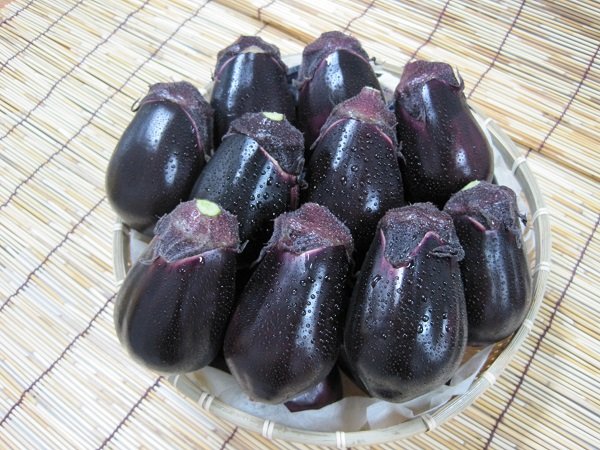
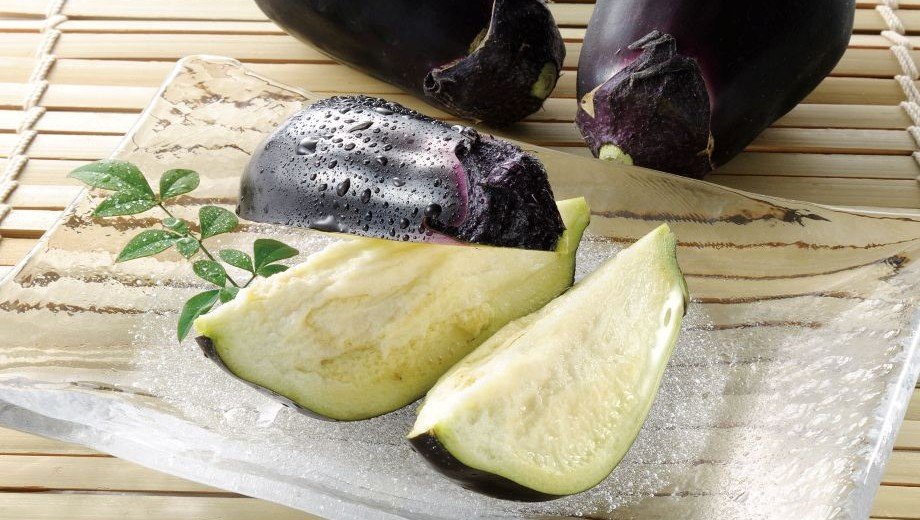
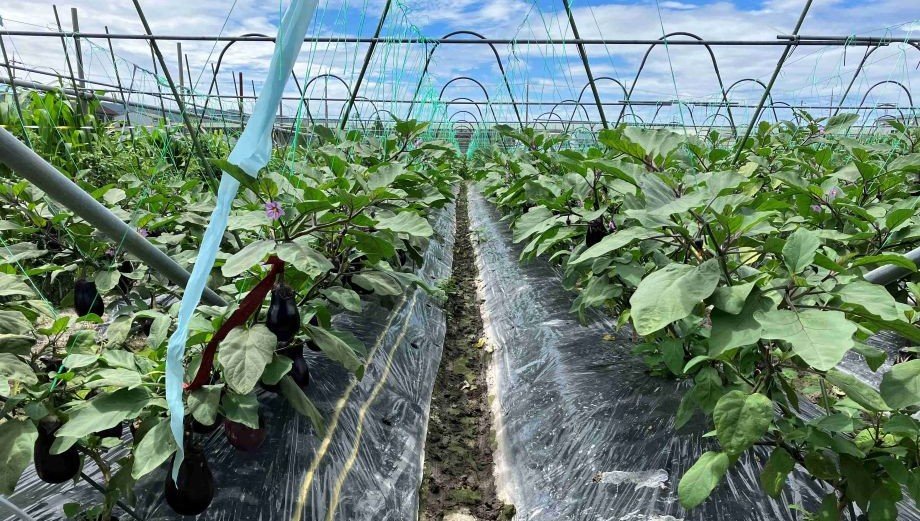
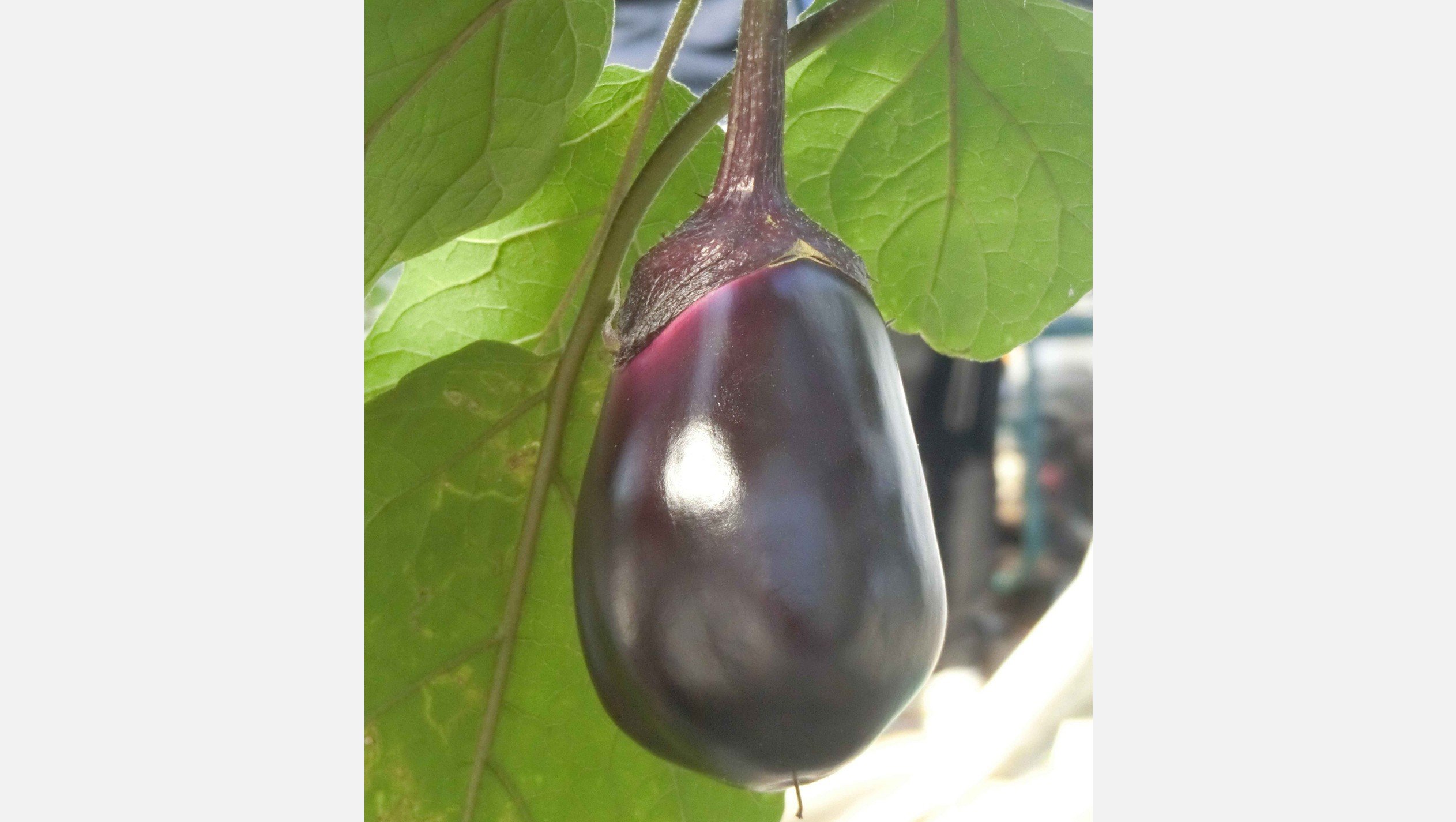
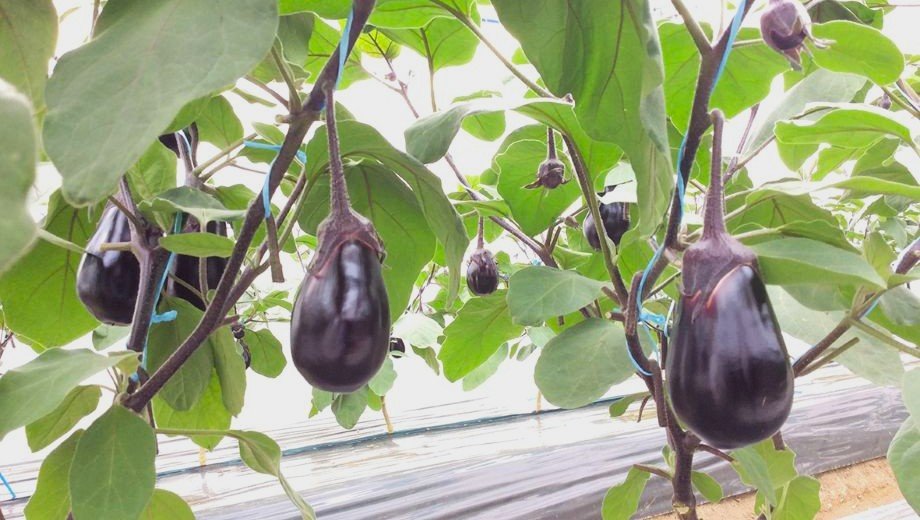
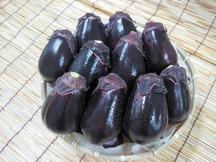
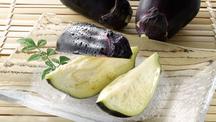
"Sensyu Mizunasu" is a type of eggplant notable for its exceptionally high water content, as the name suggests (mizu stands for "water" and nasu means "eggplant" in Japanese), so much so that the water drips out when the fruit is squeezed. It is characterized by tender skin, mild sweetness, and soft, juicy flesh.
It is said that in the past, farmers would plant mizunasu in the corners of their fields, and during farmwork under the hot sun, they would eat the eggplant to quench their thirst.
Because of its thin, delicate skin, the fruit can be eaten raw. "Sensyu Mizunasu no Asazuke (lightly pickled Sensyu Mizunasu)", prepared in seasoned brine or nukadoko (1) (salted rice-bran paste for pickling), is not only a staple in local households but also a popular souvenir and gift item representative of Osaka.
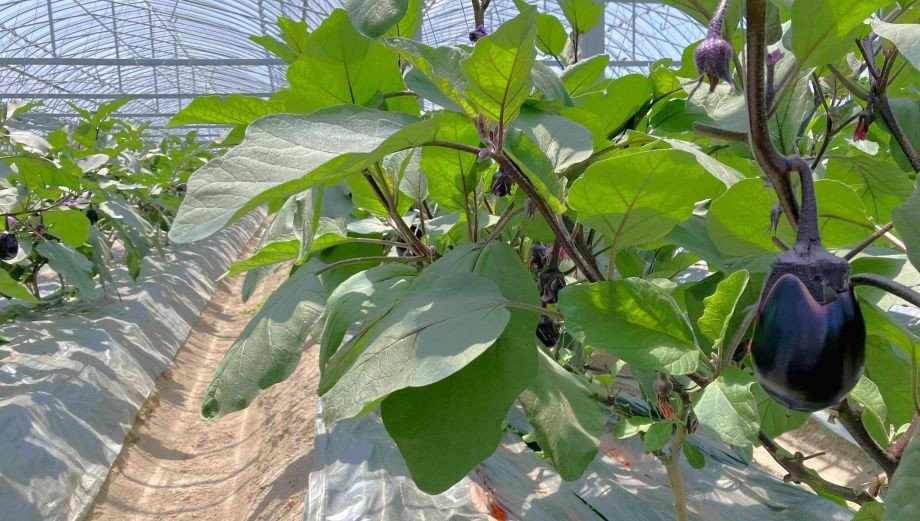
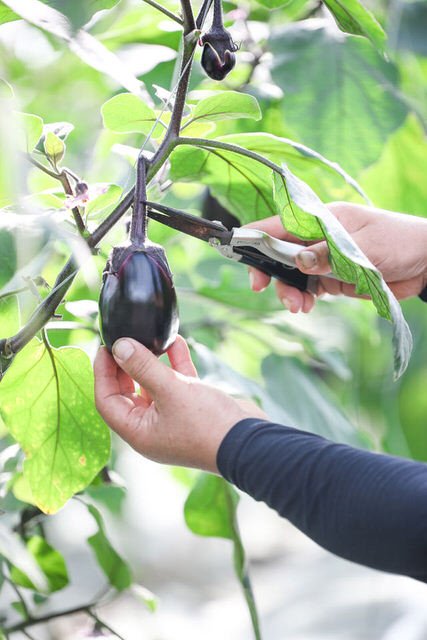
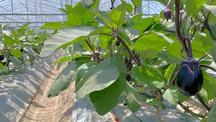
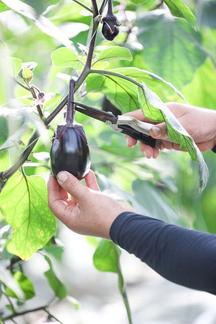
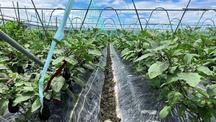
"Sensyu Mizunasu" is cultivated using varieties recommended by JA Izumino and JA Osaka Sensyu and in accordance with the guidelines outlined in "Sensyu no Mizunasu: Points of Cultivation Management".
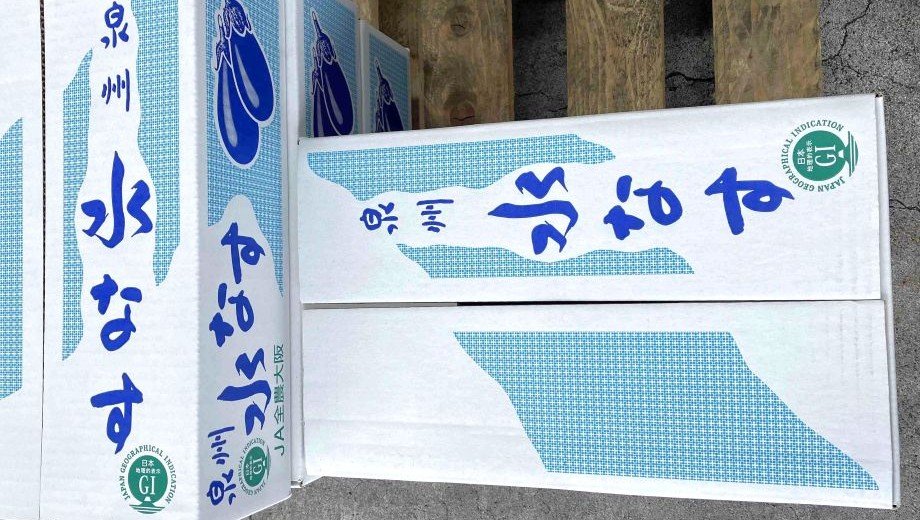
The shipment standards follow the "Fruit Sorting Standards for Mizunasu" established by each JA.
Mizunasu has been cultivated in the Sensyu district (the southwestern part of Osaka Prefecture) since the early Edo period (2). The eggplant is regarded as a specialty of this area, and its shape, color, and flesh quality are believed to change when grown outside the Sensyu area. In 1942, the agricultural experiment station of Osaka Prefecture (current Osaka Prefectural Research Institute for Environmental Agriculture, Forestry and Fisheries) began crossbreeding programs, followed by variety comparison experiments in 1951, which led to the development of darker-skinned varieties. Since around 1990, collaborative efforts among the government, agricultural cooperatives, pickle producers, etc. have advanced cultivation techniques, improved variety selection through taste evaluations, and promoted nationwide marketing. These initiatives have greatly enhanced both the recognition and production of Sensyu Mizunasu.
Today, most of the eggplants produced in Sensyu district are mizunasu, making "Sensyu Mizunasu" a representative vegetable brand of the region.
As of 2023, the annual shipment volume is approximately 2,000 tons.
- The Edo Period: 1603-1867. It is a period of Japanese history characterized by the establishment of a shogunate (feudal military government) in Edo (now Tokyo). Political administration under the Tokugawa clan began when Tokugawa Ieyasu became the era's first shogun.
- Nukadoko (salted rice-bran paste for pickling) is prepared by adding salt, chili peppers, and other ingredients to rice bran, allowing it to undergo lactic acid fermentation. It is used to make nukazuke pickles.



 Japanese
 English