TOYOHASHI HANAHO

| Registration Number | 159 |
|---|---|
| Name of the GI | TOYOHASHI HANAHO |
| Class | Vegetables/ Cereal grains/Pulses |
| Date of Protection | 2025/01/30 |
| Producing Area |
Aichi Prefecture
Toyohashi City, Gyomeicho, Toyokawa City, Inacho, Toyokawa City, Mitocho, Toyokawa City, Tsukudekiyoka , Shinshiro City |
| Applicant - Name and Address |
103-1 Aza Kojima, Takasu-cho, Toyohashi City, Aichi Prefecture |
Producing Area

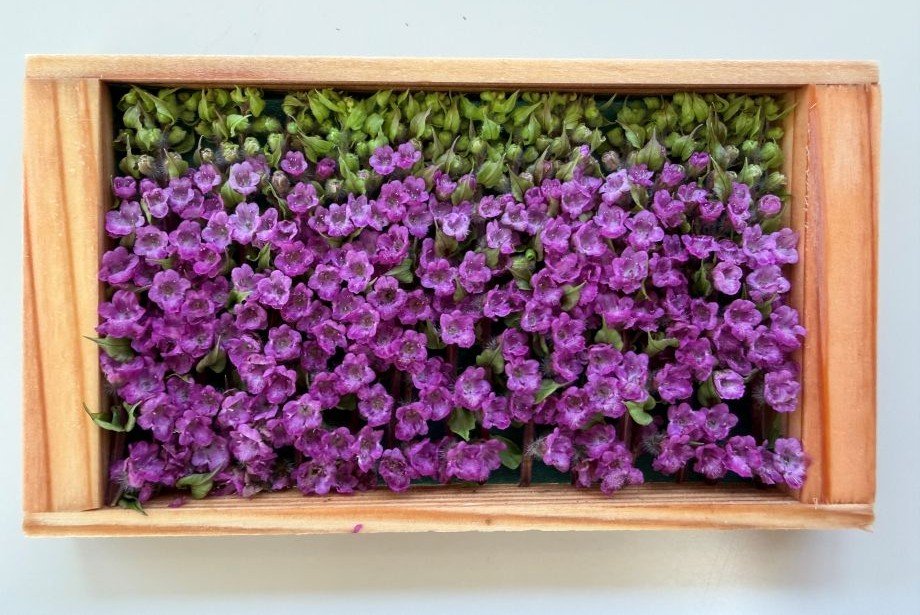
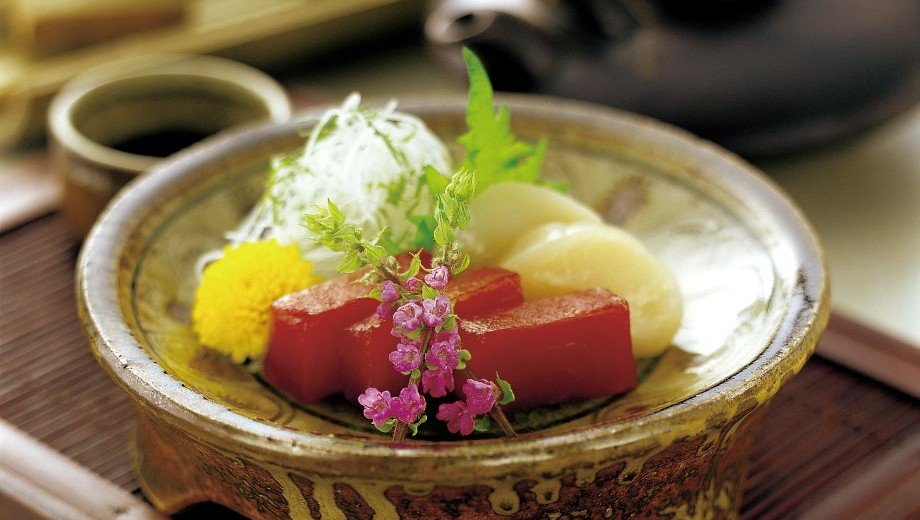
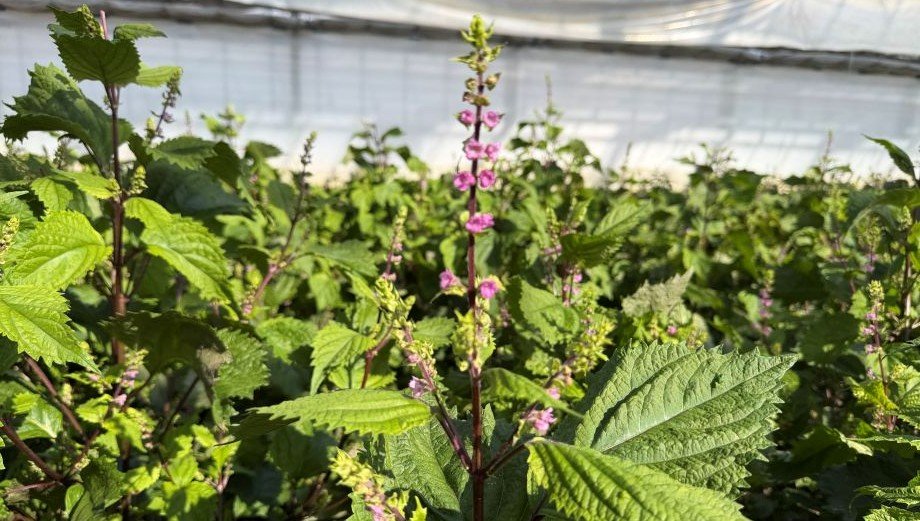
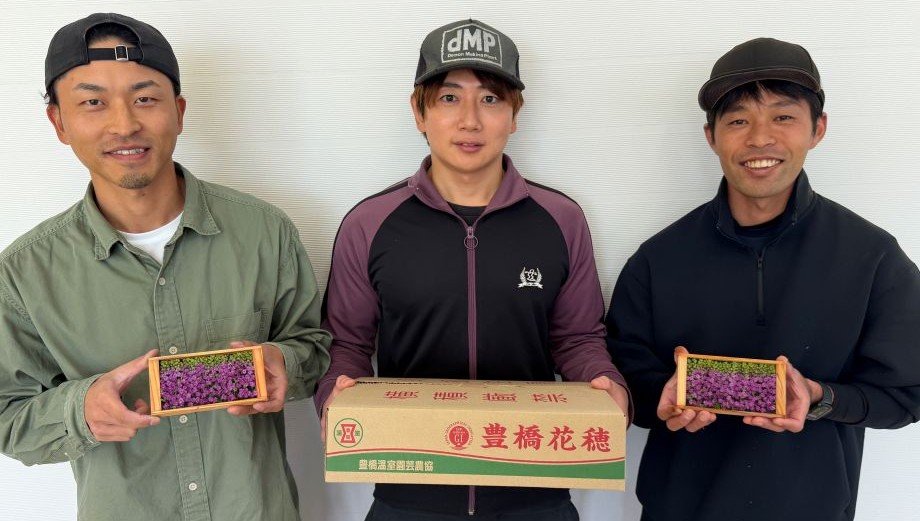
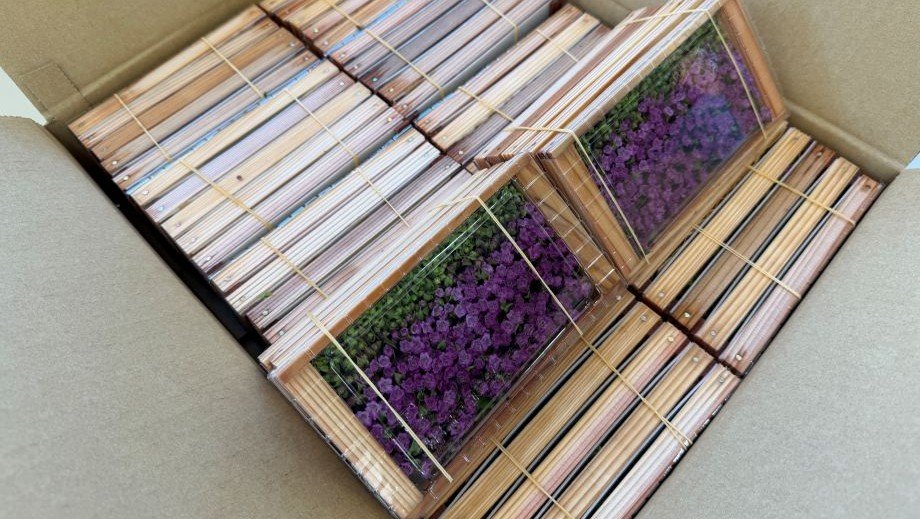
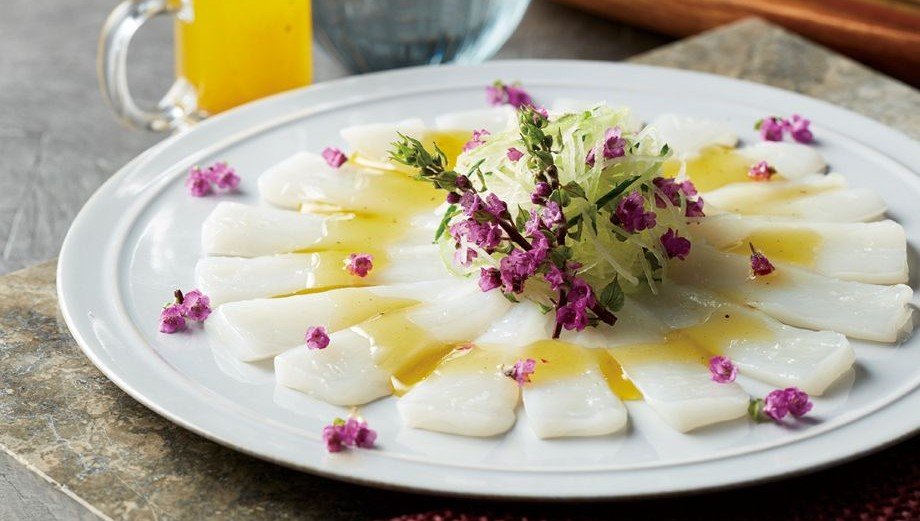
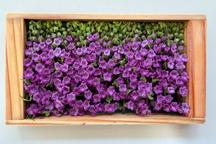
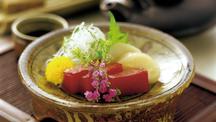
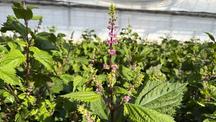
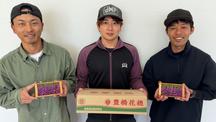
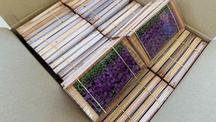
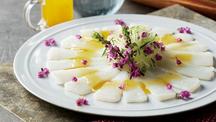
"TOYOHASHI HANANO" refers to perilla flower spikes characterized by reddish-purple petals and fresh fragrance. It is commonly used as a garnish for Japanese dishes and sashimi.
Highly acclaimed in the market for its excellent quality and stable, year-round supply, it boasts the highest trading volume among flower spikes at the Tokyo Central Wholesale Market. Since around 2000, the spikes have been exported to the EU, the USA, and other countries, where they are highly valued as an edible ingredient and for their floral beauty.
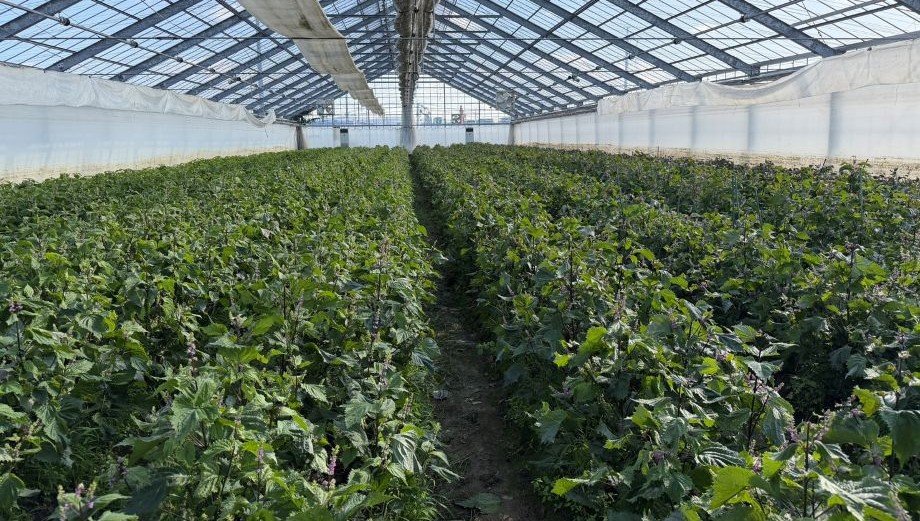
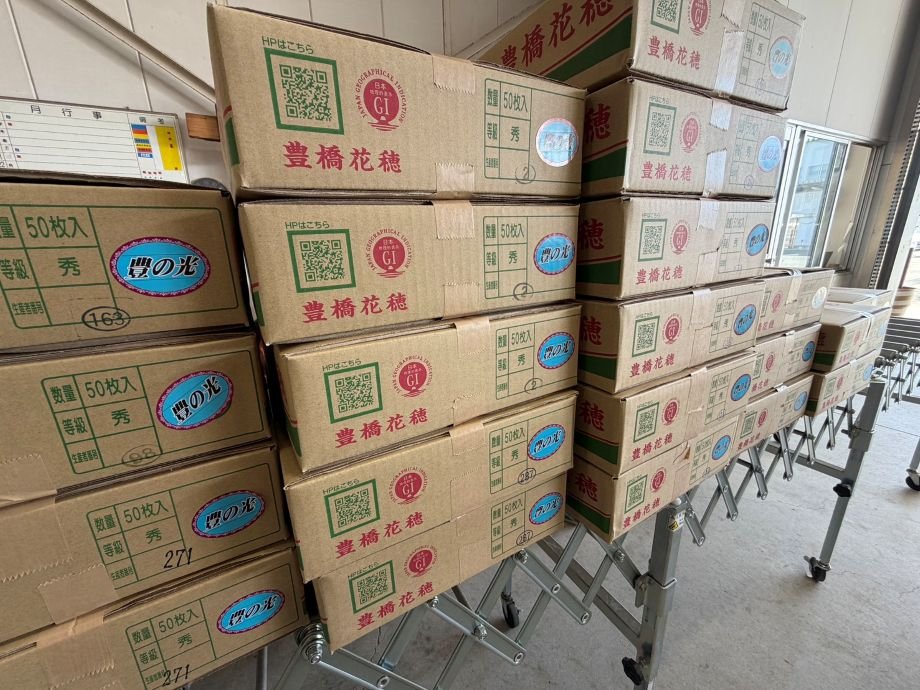
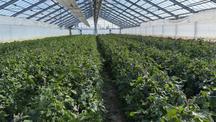
"TOYOHASHI HANANO" is cultivated in the production area using the variety selected by Toyohashi Onshitsu Engei Nougyo Kyodo Kumiai (Toyohashi Greenhouse and Horticulture Agricultural Cooperative; hereinafter referred to as the "Cooperative") and is shipped according to the standards established by the Cooperative.
The area around Toyohashi City enjoys a mild climate and a stable water supply provided by the Toyogawa Irrigation Canal (1). Located in a suburban area, greenhouse horticulture has long been active here.
The Cooperative began cultivating perilla flower spikes around 1963 and established a dedicated flower spike division in 1969. Through continuous efforts to improve varieties and cultivation techniques, the Cooperative has achieved a dominant market share in Tokyo and other major cities.
- Toyogawa Irrigation Canal supplies water to the Higashimikawa area, including Toyohashi City and Atsumi Peninsula in Aichi Prefecture, as well as Kosai City, Shizuoka Prefecture. Construction started in 1949, and irrigation across the entire area began in 1968.

 Japanese
 English