KAZUNO GYU

| Registration Number | 157 |
|---|---|
| Name of the GI | KAZUNO GYU、KAZUNO BEEF |
| Class | Meat |
| Date of Protection | 2025/01/30 |
| Producing Area |
Akita Prefecture
Kazuno City and Kosaka Town, Kazuno County |
| Applicant - Name and Address | Kazuno Gyu Shinko Kyogikai (Kazuno Beef Promotion Association) 4-1 Aza Arata, Hanawa, Kazuno City, Akita Prefecture |
Producing Area

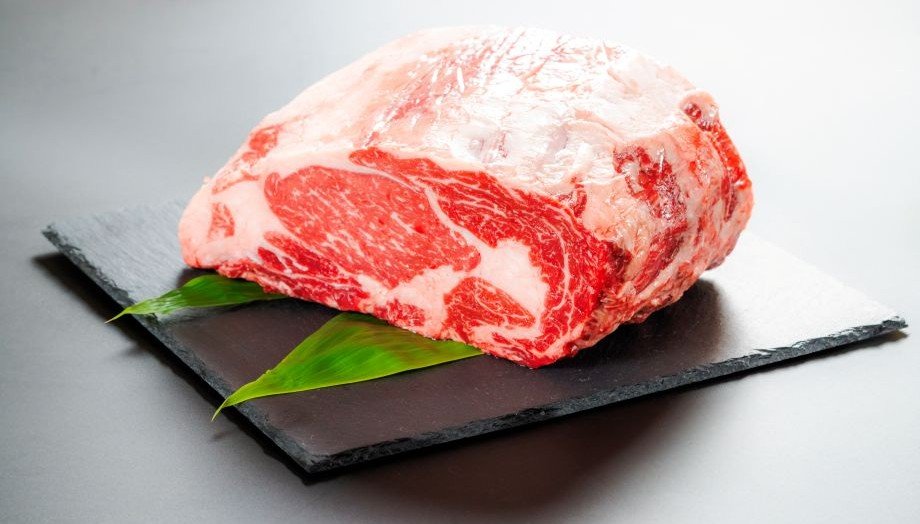
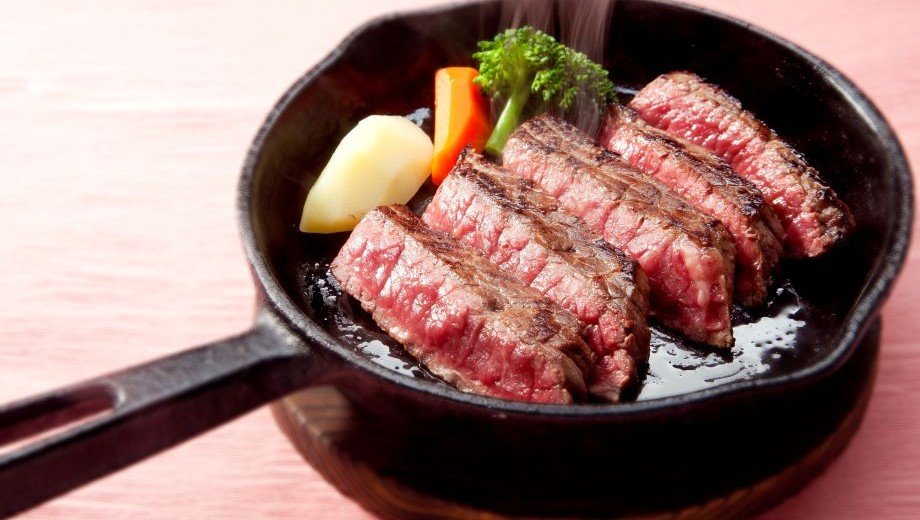
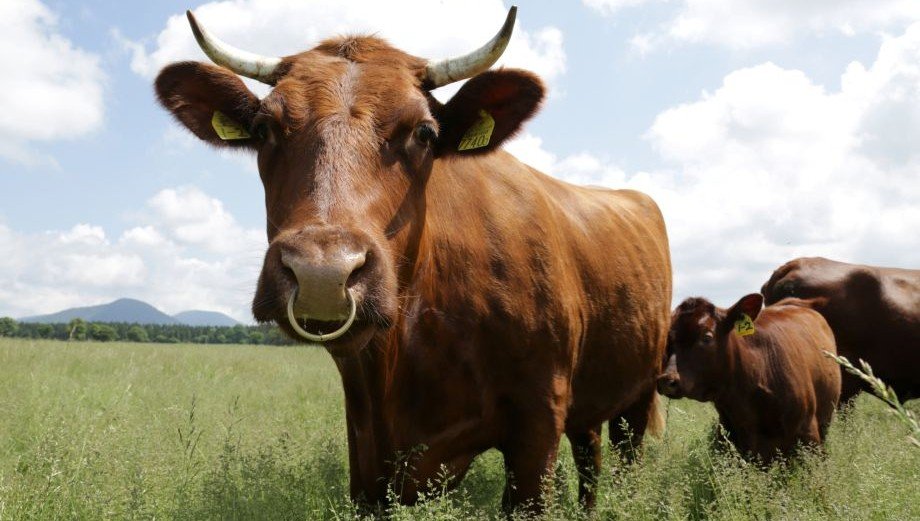
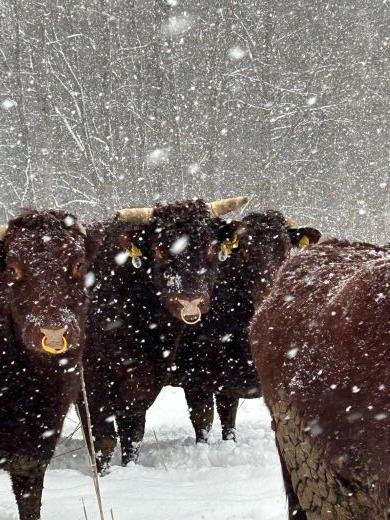
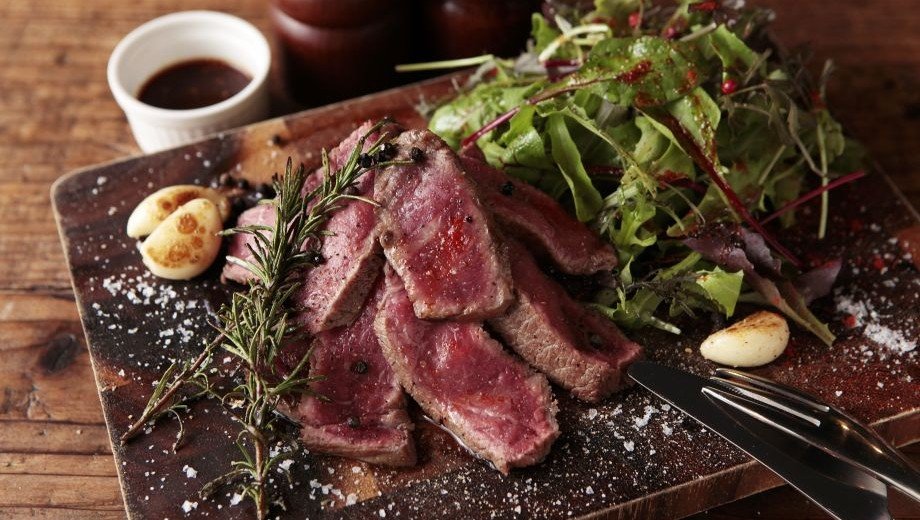
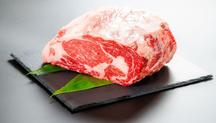
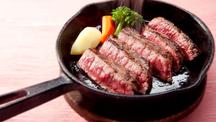
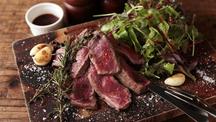
"KAZUNO BEEF" is the meat of Japanese Shorthorn (1), which is a rare Wagyu breed. The beef is characterized by low fat content and abundant free amino acids, which are the source of the meat's delicious flavor.
It is highly praised for having "pleasantly firm texture, richer flavor the more it is chewed, and well-balanced fat content".
For the production of "KAZUNO BEEF", the cattle must have a certificate verifying that it is of the Japanese Shorthorn breed, be raised primarily and finished in the production area, be at least 22 months old at the time of shipment, and have been grazed on public pasture or grazing land in the production area.
The roots of "KAZUNO BEEF" trace back to Nanbu cattle. During the Edo period (2), they were raised as draft cattle for transporting ore mined in the Kazuno area, as well as salt and other production materials.
In the Meiji period, crossbreeding between the Nanbu cattle and the imported Shorthorn breed led to improvements that gave rise to today's Japanese Shorthorn breed.
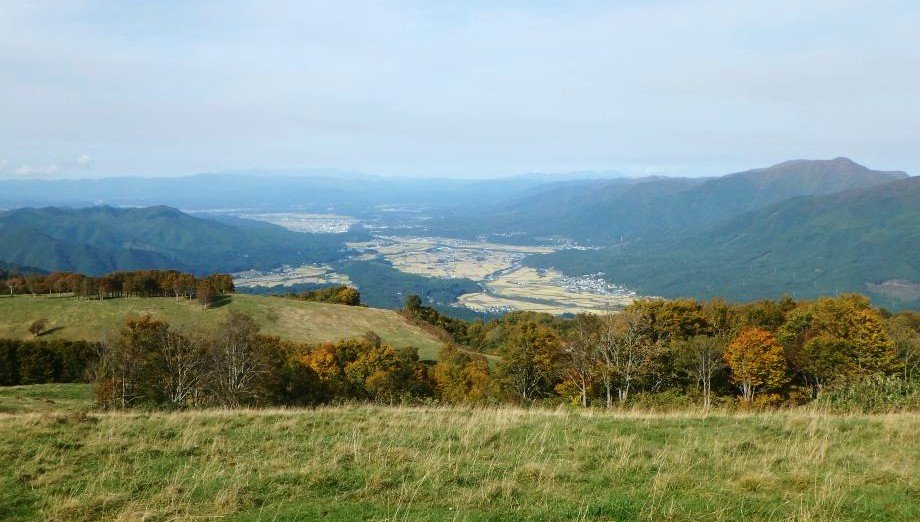
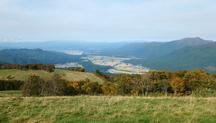
The production area of "KAZUNO BEEF" (Kazuno City and Kosaka Town in Kazuno District, Akita Prefecture) is located in the northeastern part of the prefecture, where gently rolling hills extend across the landscape.
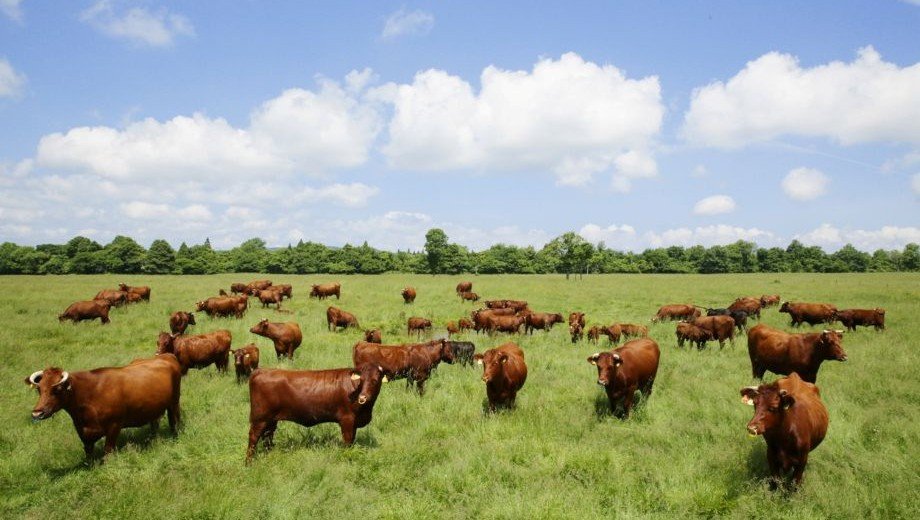
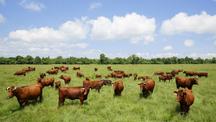
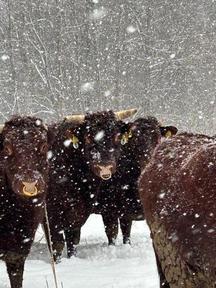
Since ancient times, cattle farmers in the area have practiced mixed farming, combining rice and fruit cultivation with cattle raising. Taking advantage of the Japanese Shorthorn's strong suitability for grazing, they have long followed a traditional system of "pasturing cattle in the mountains during summer and keeping them in barns during winter." Cattle are grazed on hills and public pastures during summer, when there is no snow, and kept in barns through the snowy winter season.
By grazing calves (from soon after birth to around 8 months of age) together with their mothers, this enhances their health and produces meat with a naturally low fat content.
In 1967 and 1970, two major pasture sites were improved, and full-scale grazing of Japanese Shorthorn began under the guidance of the Akita Prefectural Government and Kazuno City, focusing on fattening techniques and related practices. In 2012, Kazuno Gyu Shinko Kyogikai (Kazuno Beef Promotion Council; hereinafter referred to as "the Council") was launched to advance production and establish the regional brand by strengthening the local integrated production system. The Council has supported the construction of barns and compost depots, and has carried out grassland improvement of public pastures.
- The Japanese Shorthorn is a Japanese breed of cattle raised mainly in Iwate, Aomori, Akita, and Hokkaido Prefectures.
- The Edo Period: 1603-1867. It is a period of Japanese history characterized by the establishment of a shogunate (feudal military government) in Edo (now Tokyo). Political administration under the Tokugawa clan began when Tokugawa Ieyasu became the era's first shogun.



 Japanese
 English