Mera Itomaki Daikon
| Registration Number | 173 |
|---|---|
| Name of the GI | Mera Itomaki Daikon |
| Class | Vegetables/ Cereal grains/Pulses |
| Date of Protection | 2026/03/25 |
| Producing Area |
Miyazaki Prefecture
Nishimera village, Koyu County |
| Applicant - Name and Address | Mera Itomaki Daikon Association 1-1 Murasho, Nishimera-son, Koyu county, Miyazaki Prefecture |

Characteristics
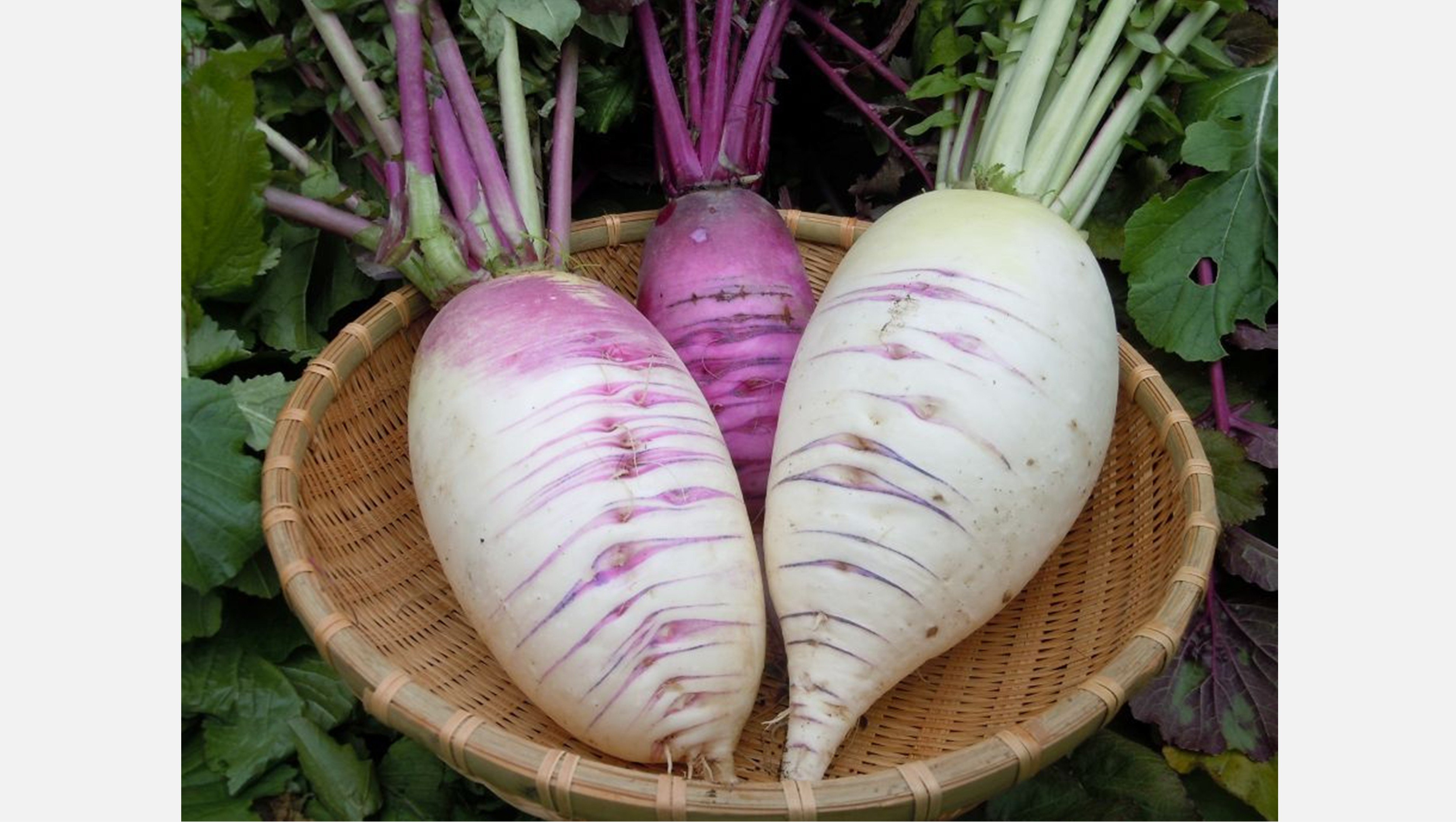
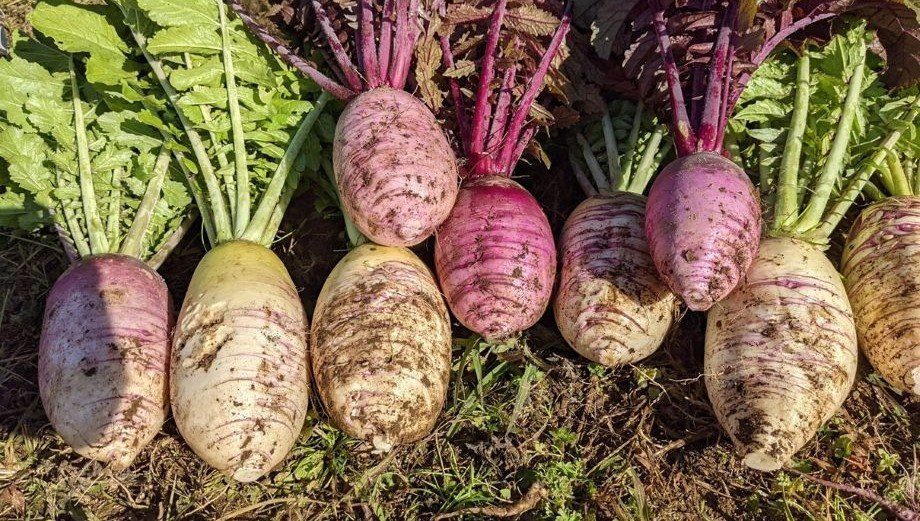
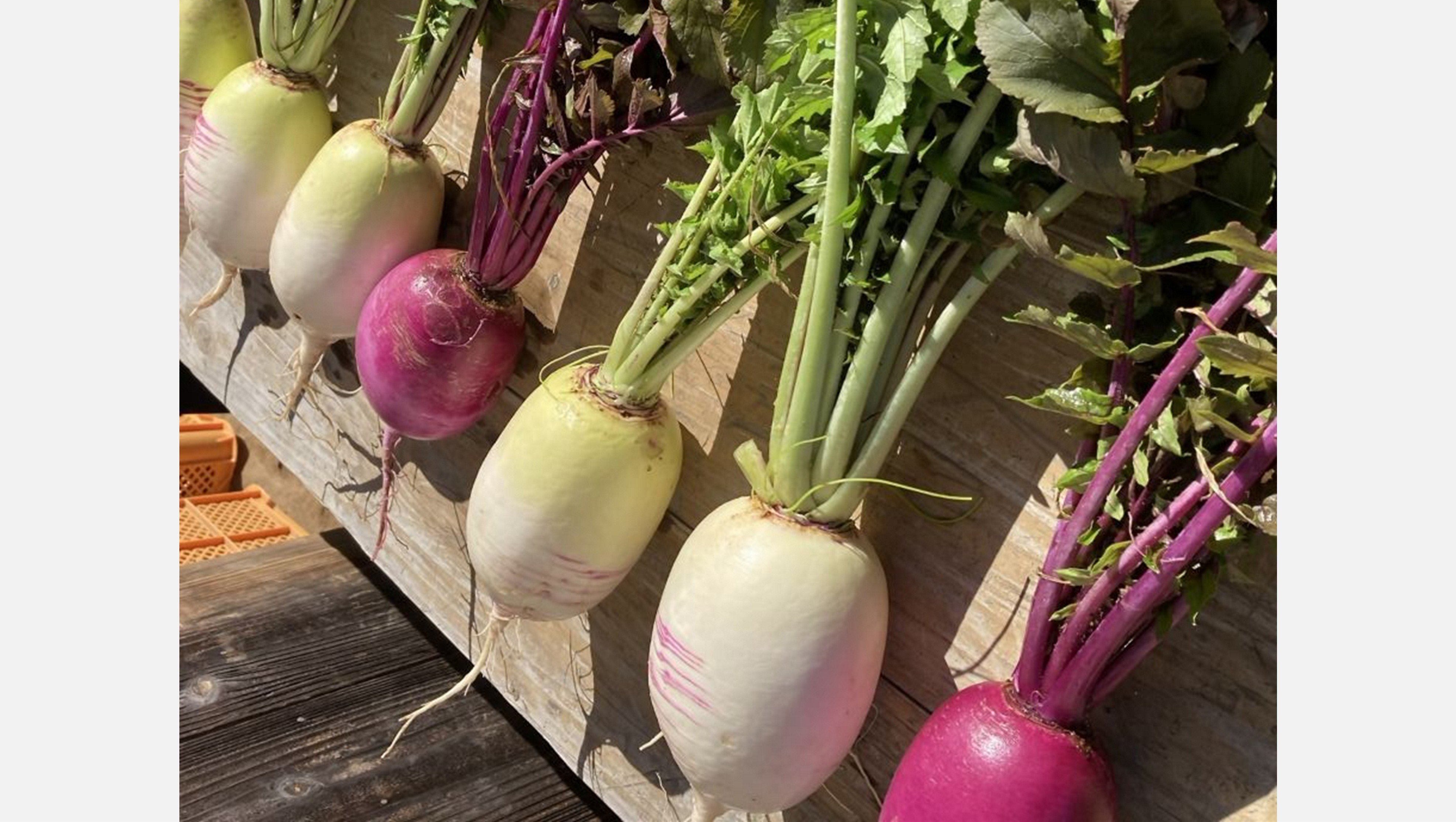
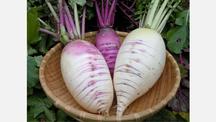
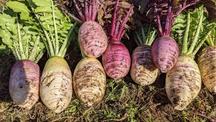
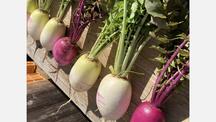
"Mera Itomaki Daikon" is a local variety of daikon (Japanese radish) that has long been cultivated and passed down in Nishimera Village, Miyazaki Prefecture. It has a short, stout, and spindle-shaped root. Its white or red skin is marked with reddish-purple stripes resembling threads wrapped around the root. This distinctive appearance gives the radish its name, "itomaki daikon (thread-wrapped radish)". The flesh is dense and holds its shape well during cooking, while offering a tender, turnip-like texture. With a sugar content of approximately 6°Brix--about 2°Brix higher than that of common aokubi daikon--it combines a slight pungency with pronounced sweetness.
Production method
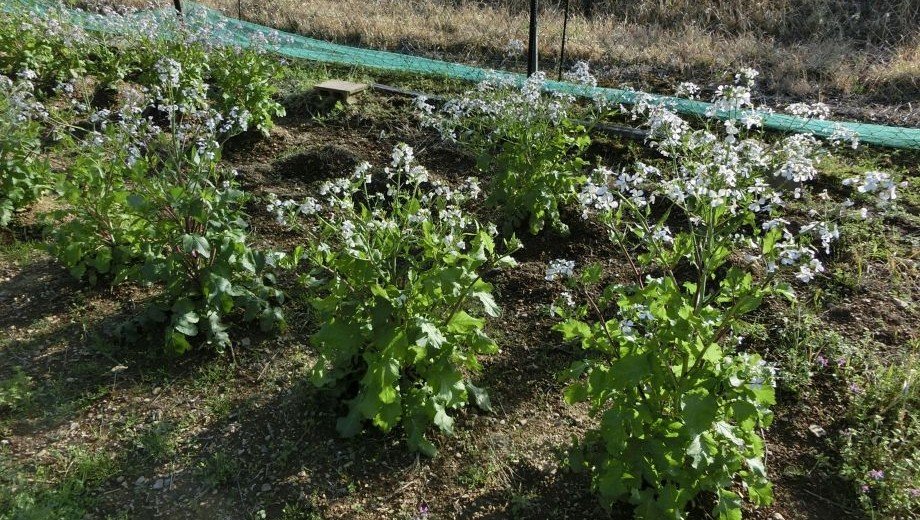
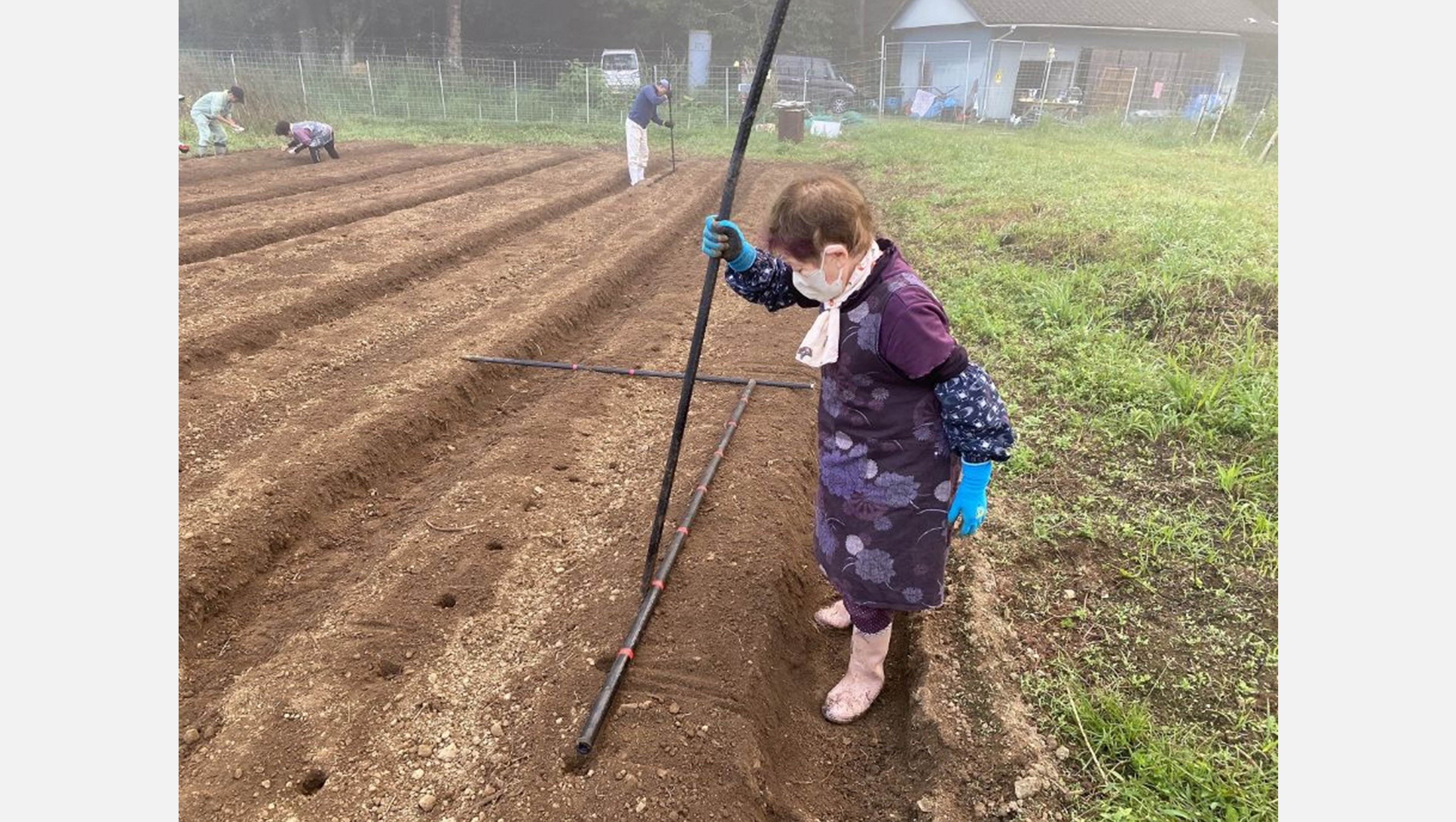
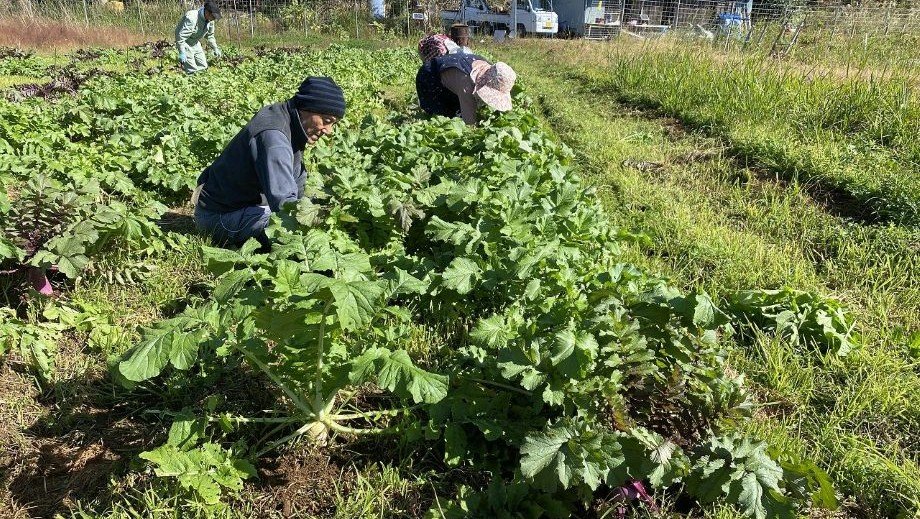
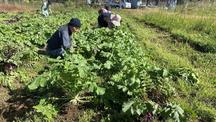
The radishes are grown using seeds obtained through breeding and seed collection in dedicated plots and other fields managed by Mera Itomaki Daikon Association (hereinafter referred to as the "Association"). Cultivation follows the schedule established by the Association. To qualify for shipment, the radishes must have reddish-purple horizontal stripes on their skin.
Link with the production area
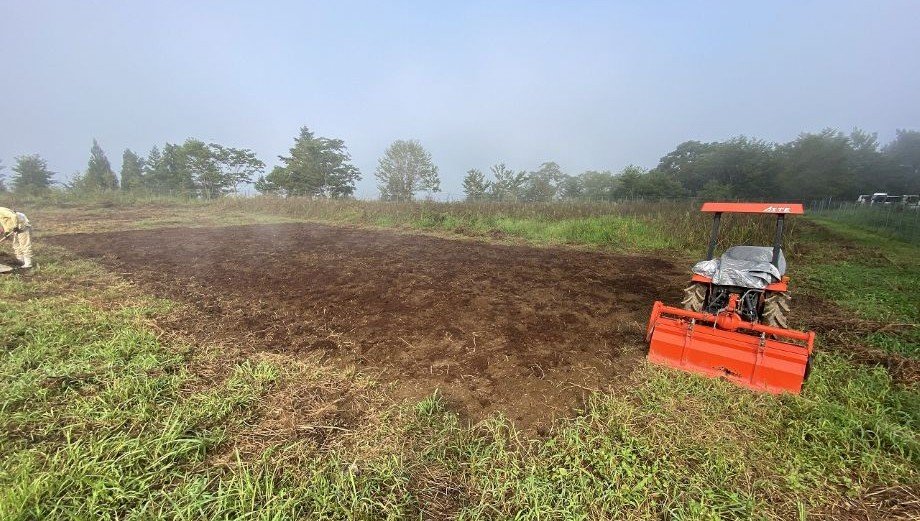
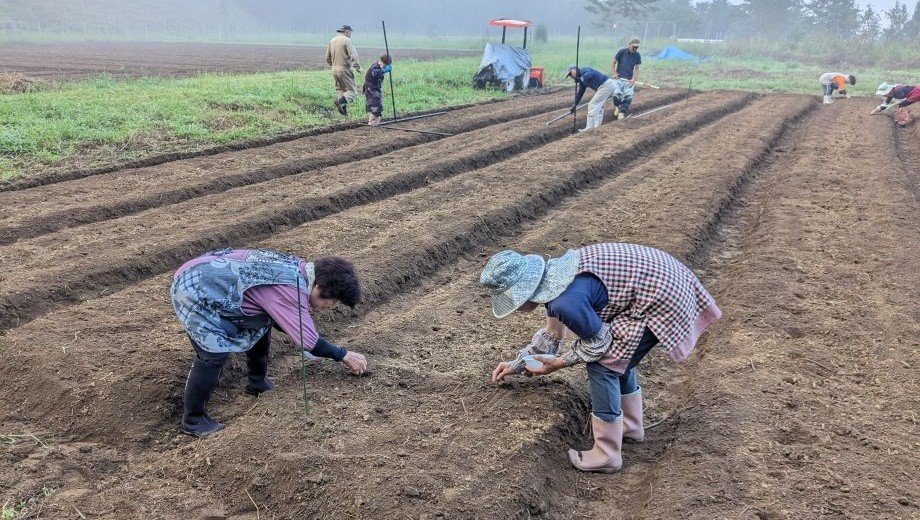
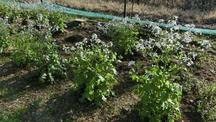
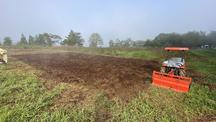
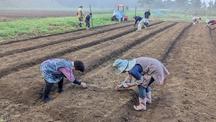
Nishimera Village is surrounded by the Kyushu Mountains. The majority of its land is forested, leaving very little farmland. In the past, a form of slash-and-burn agriculture known as "koba" was practiced, in which vegetation on slopes was burned to create fields. "Mera Itomaki Daikon" grows well with little fertilizer or pesticides, making it well suited to this farming method. Although cultivation has since shifted to permanent fields, the radish is still grown as a traditional local vegetable.
To preserve the distinctive appearance, taste, and other characteristics of the local variety, producers have continued to save their own seeds using a traditional method called "suemoto", which involves selecting radishes and replanting them with part of the root retained. They preserved the seeds even when production nearly died out and now work with a university to select suitable lines. Preserved through these efforts, "Mera Itomaki Daikon" remains closely connected to the region's food culture. In addition to being used in simmered dishes, the red radishes are popular in namasu (vegetables seasoned in vinegar) and pickles, as they turn a vivid pink when treated with vinegar.

 Japanese
 English